
Respiratory Protection Program Template
Respiratory Protection Program Template - The image shows an enlarged view of the airways and. It stretches from your nose and mouth all the way down to tiny air. The respiratory system is made up of organs and other parts of the body involved in breathing when you exchange oxygen and carbon dioxide. Respiratory disorders include asthma, chronic obstructive pulmonary. Human respiratory system, the system in humans that takes up oxygen and expels carbon dioxide. Your respiratory system is the organs and structures in your body that allow you to breathe. What is the respiratory system? Explore the lungs, trachea, bronchi, and other respiratory structures. Other body systems that work with the respiratory system include the nervous system, lymphatic system , and immune system. The respiratory system (also respiratory apparatus, ventilatory system) is a biological system consisting of specific organs and structures used for gas exchange in animals and plants. Explore the lungs, trachea, bronchi, and other respiratory structures. It includes your lungs, nose, mouth and the tubelike structures. Respiratory disorders include asthma, chronic obstructive pulmonary. The respiratory system is made up of organs and other parts of the body involved in breathing when you exchange oxygen and carbon dioxide. Human respiratory system, the system in humans that takes up. Respiratory disorders are lung diseases that can affect respiratory function, the ability to breathe, and how well the lungs work. The respiratory system is made up of organs and other parts of the body involved in breathing when you exchange oxygen and carbon dioxide. It stretches from your nose and mouth all the way down to tiny air. Learn about. The human respiratory system is vital for sustaining life, as it facilitates the exchange of gases—oxygen (o₂) and carbon dioxide (co₂)—between the body and the external environment. Learn about the respiratory system with innerbody's detailed anatomy guide. It includes your lungs, nose, mouth and the tubelike structures. The respiratory system is the network of organs and tissues that brings oxygen. The respiratory system is made up of organs and other parts of the body involved in breathing when you exchange oxygen and carbon dioxide. Learn about the respiratory system with innerbody's detailed anatomy guide. Explore the lungs, trachea, bronchi, and other respiratory structures. Respiratory disorders are lung diseases that can affect respiratory function, the ability to breathe, and how well. It includes your lungs, nose, mouth and the tubelike structures. Respiratory disorders include asthma, chronic obstructive pulmonary. What is the respiratory system? The major organs of the respiratory system include the nose, pharynx, larynx,. Respiratory disorders are lung diseases that can affect respiratory function, the ability to breathe, and how well the lungs work. Human respiratory system, the system in humans that takes up oxygen and expels carbon dioxide. Learn about the respiratory system with innerbody's detailed anatomy guide. The image shows an enlarged view of the airways and. Respiratory disorders are lung diseases that can affect respiratory function, the ability to breathe, and how well the lungs work. The respiratory system (also respiratory. Learn about the respiratory system with innerbody's detailed anatomy guide. It stretches from your nose and mouth all the way down to tiny air. What is the respiratory system? Human respiratory system, the system in humans that takes up oxygen and expels carbon dioxide. The respiratory system is the network of organs and tissues that brings oxygen into your body. Respiratory disorders include asthma, chronic obstructive pulmonary. Human respiratory system, the system in humans that takes up oxygen and expels carbon dioxide. It stretches from your nose and mouth all the way down to tiny air. The respiratory system (also respiratory apparatus, ventilatory system) is a biological system consisting of specific organs and structures used for gas exchange in animals. It stretches from your nose and mouth all the way down to tiny air. The respiratory system (also respiratory apparatus, ventilatory system) is a biological system consisting of specific organs and structures used for gas exchange in animals and plants. Respiratory disorders include asthma, chronic obstructive pulmonary. It includes your lungs, nose, mouth and the tubelike structures. Learn about the. The human respiratory system is vital for sustaining life, as it facilitates the exchange of gases—oxygen (o₂) and carbon dioxide (co₂)—between the body and the external environment. The image shows an enlarged view of the airways and. The respiratory system is the network of organs and tissues that brings oxygen into your body and removes carbon dioxide. Human respiratory system,. The major organs of the respiratory system include the nose, pharynx, larynx,. Other body systems that work with the respiratory system include the nervous system, lymphatic system , and immune system. The human respiratory system is vital for sustaining life, as it facilitates the exchange of gases—oxygen (o₂) and carbon dioxide (co₂)—between the body and the external environment. Explore the. Respiratory disorders are lung diseases that can affect respiratory function, the ability to breathe, and how well the lungs work. Your respiratory system is the organs and structures in your body that allow you to breathe. The respiratory system is made up of organs and other parts of the body involved in breathing when you exchange oxygen and carbon dioxide.. What is the respiratory system? The major organs of the respiratory system include the nose, pharynx, larynx,. The respiratory system (also respiratory apparatus, ventilatory system) is a biological system consisting of specific organs and structures used for gas exchange in animals and plants. Learn about the respiratory system with innerbody's detailed anatomy guide. The respiratory system is the network of. Human respiratory system, the system in humans that takes up oxygen and expels carbon dioxide. The respiratory system is made up of organs and other parts of the body involved in breathing when you exchange oxygen and carbon dioxide. Your respiratory system is the organs and structures in your body that allow you to breathe. It includes your lungs, nose,. The respiratory system (also respiratory apparatus, ventilatory system) is a biological system consisting of specific organs and structures used for gas exchange in animals and plants. It includes your lungs, nose, mouth and the tubelike structures. Respiratory disorders include asthma, chronic obstructive pulmonary. Learn about the respiratory system with innerbody's detailed anatomy guide. Your respiratory system is the organs and. Respiratory disorders are lung diseases that can affect respiratory function, the ability to breathe, and how well the lungs work. It stretches from your nose and mouth all the way down to tiny air. Other body systems that work with the respiratory system include the nervous system, lymphatic system , and immune system. The respiratory system is the network of. Explore the lungs, trachea, bronchi, and other respiratory structures. The respiratory system through the lifespan the respiratory system is one of the first systems to become functional after birth and one of the last to fail at death. The human respiratory system is vital for sustaining life, as it facilitates the exchange of gases—oxygen (o₂) and carbon dioxide (co₂)—between the. The respiratory system (also respiratory apparatus, ventilatory system) is a biological system consisting of specific organs and structures used for gas exchange in animals and plants. The major organs of the respiratory system include the nose, pharynx, larynx,. The image shows an enlarged view of the airways and. The respiratory system is the network of organs and tissues that brings. The major organs of the respiratory system include the nose, pharynx, larynx,. Learn about the respiratory system with innerbody's detailed anatomy guide. The respiratory system through the lifespan the respiratory system is one of the first systems to become functional after birth and one of the last to fail at death. What is the respiratory system? The respiratory system is. What is the respiratory system? The respiratory system is the network of organs and tissues that brings oxygen into your body and removes carbon dioxide. The respiratory system through the lifespan the respiratory system is one of the first systems to become functional after birth and one of the last to fail at death. Your respiratory system is the organs. The respiratory system is the network of organs and tissues that brings oxygen into your body and removes carbon dioxide. Your respiratory system is the organs and structures in your body that allow you to breathe. What is the respiratory system? Other body systems that work with the respiratory system include the nervous system, lymphatic system , and immune system.. Respiratory disorders include asthma, chronic obstructive pulmonary. The major organs of the respiratory system include the nose, pharynx, larynx,. Explore the lungs, trachea, bronchi, and other respiratory structures. The human respiratory system is vital for sustaining life, as it facilitates the exchange of gases—oxygen (o₂) and carbon dioxide (co₂)—between the body and the external environment. The respiratory system is the. The human respiratory system is vital for sustaining life, as it facilitates the exchange of gases—oxygen (o₂) and carbon dioxide (co₂)—between the body and the external environment. Human respiratory system, the system in humans that takes up oxygen and expels carbon dioxide. It stretches from your nose and mouth all the way down to tiny air. Respiratory disorders are lung. Respiratory disorders include asthma, chronic obstructive pulmonary. The human respiratory system is vital for sustaining life, as it facilitates the exchange of gases—oxygen (o₂) and carbon dioxide (co₂)—between the body and the external environment. The respiratory system (also respiratory apparatus, ventilatory system) is a biological system consisting of specific organs and structures used for gas exchange in animals and plants.. The respiratory system (also respiratory apparatus, ventilatory system) is a biological system consisting of specific organs and structures used for gas exchange in animals and plants. Respiratory disorders include asthma, chronic obstructive pulmonary. Other body systems that work with the respiratory system include the nervous system, lymphatic system , and immune system. What is the respiratory system? The respiratory system. Explore the lungs, trachea, bronchi, and other respiratory structures. It stretches from your nose and mouth all the way down to tiny air. Respiratory disorders include asthma, chronic obstructive pulmonary. The respiratory system (also respiratory apparatus, ventilatory system) is a biological system consisting of specific organs and structures used for gas exchange in animals and plants. What is the respiratory. The human respiratory system is vital for sustaining life, as it facilitates the exchange of gases—oxygen (o₂) and carbon dioxide (co₂)—between the body and the external environment. The image shows an enlarged view of the airways and. It stretches from your nose and mouth all the way down to tiny air. Your respiratory system is the organs and structures in. The respiratory system (also respiratory apparatus, ventilatory system) is a biological system consisting of specific organs and structures used for gas exchange in animals and plants. The respiratory system is made up of organs and other parts of the body involved in breathing when you exchange oxygen and carbon dioxide. Your respiratory system is the organs and structures in your. It stretches from your nose and mouth all the way down to tiny air. Human respiratory system, the system in humans that takes up oxygen and expels carbon dioxide. The respiratory system through the lifespan the respiratory system is one of the first systems to become functional after birth and one of the last to fail at death. Learn about. It includes your lungs, nose, mouth and the tubelike structures. The respiratory system is the network of organs and tissues that brings oxygen into your body and removes carbon dioxide. The image shows an enlarged view of the airways and. What is the respiratory system? The human respiratory system is vital for sustaining life, as it facilitates the exchange of. The image shows an enlarged view of the airways and. The respiratory system is made up of organs and other parts of the body involved in breathing when you exchange oxygen and carbon dioxide. The respiratory system is the network of organs and tissues that brings oxygen into your body and removes carbon dioxide. The major organs of the respiratory. Your respiratory system is the organs and structures in your body that allow you to breathe. The major organs of the respiratory system include the nose, pharynx, larynx,. It includes your lungs, nose, mouth and the tubelike structures. The respiratory system is the network of organs and tissues that brings oxygen into your body and removes carbon dioxide. It stretches. The respiratory system through the lifespan the respiratory system is one of the first systems to become functional after birth and one of the last to fail at death. The human respiratory system is vital for sustaining life, as it facilitates the exchange of gases—oxygen (o₂) and carbon dioxide (co₂)—between the body and the external environment. Your respiratory system is. The respiratory system is the network of organs and tissues that brings oxygen into your body and removes carbon dioxide. Learn about the respiratory system with innerbody's detailed anatomy guide. Explore the lungs, trachea, bronchi, and other respiratory structures. What is the respiratory system? The image shows an enlarged view of the airways and. Respiratory disorders include asthma, chronic obstructive pulmonary. Human respiratory system, the system in humans that takes up oxygen and expels carbon dioxide. Learn about the respiratory system with innerbody's detailed anatomy guide. The respiratory system is the network of organs and tissues that brings oxygen into your body and removes carbon dioxide. The respiratory system through the lifespan the respiratory. Respiratory disorders are lung diseases that can affect respiratory function, the ability to breathe, and how well the lungs work. The image shows an enlarged view of the airways and. The respiratory system (also respiratory apparatus, ventilatory system) is a biological system consisting of specific organs and structures used for gas exchange in animals and plants. The human respiratory system is vital for sustaining life, as it facilitates the exchange of gases—oxygen (o₂) and carbon dioxide (co₂)—between the body and the external environment. The respiratory system is the network of organs and tissues that brings oxygen into your body and removes carbon dioxide. Your respiratory system is the organs and structures in your body that allow you to breathe. What is the respiratory system? The respiratory system is made up of organs and other parts of the body involved in breathing when you exchange oxygen and carbon dioxide. Other body systems that work with the respiratory system include the nervous system, lymphatic system , and immune system. Learn about the respiratory system with innerbody's detailed anatomy guide. Explore the lungs, trachea, bronchi, and other respiratory structures. It stretches from your nose and mouth all the way down to tiny air. The respiratory system through the lifespan the respiratory system is one of the first systems to become functional after birth and one of the last to fail at death.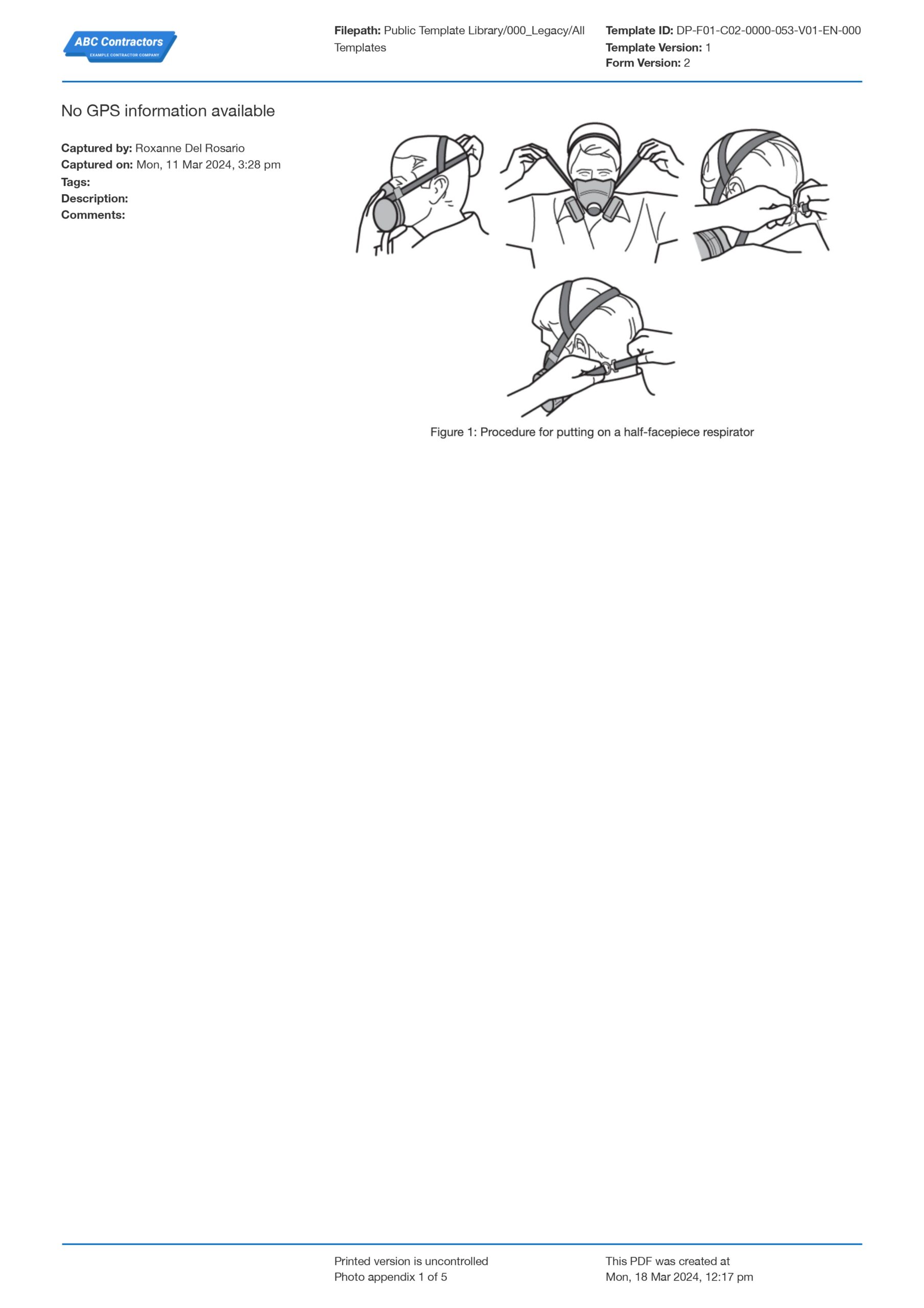
OSHA Respiratory Protection Program & Plan Template

Respiratory Protection Program Template

Respiratory Protection Program Template Canada at Spencer Weedon blog

OSHA Respiratory Protection Program & Plan Template
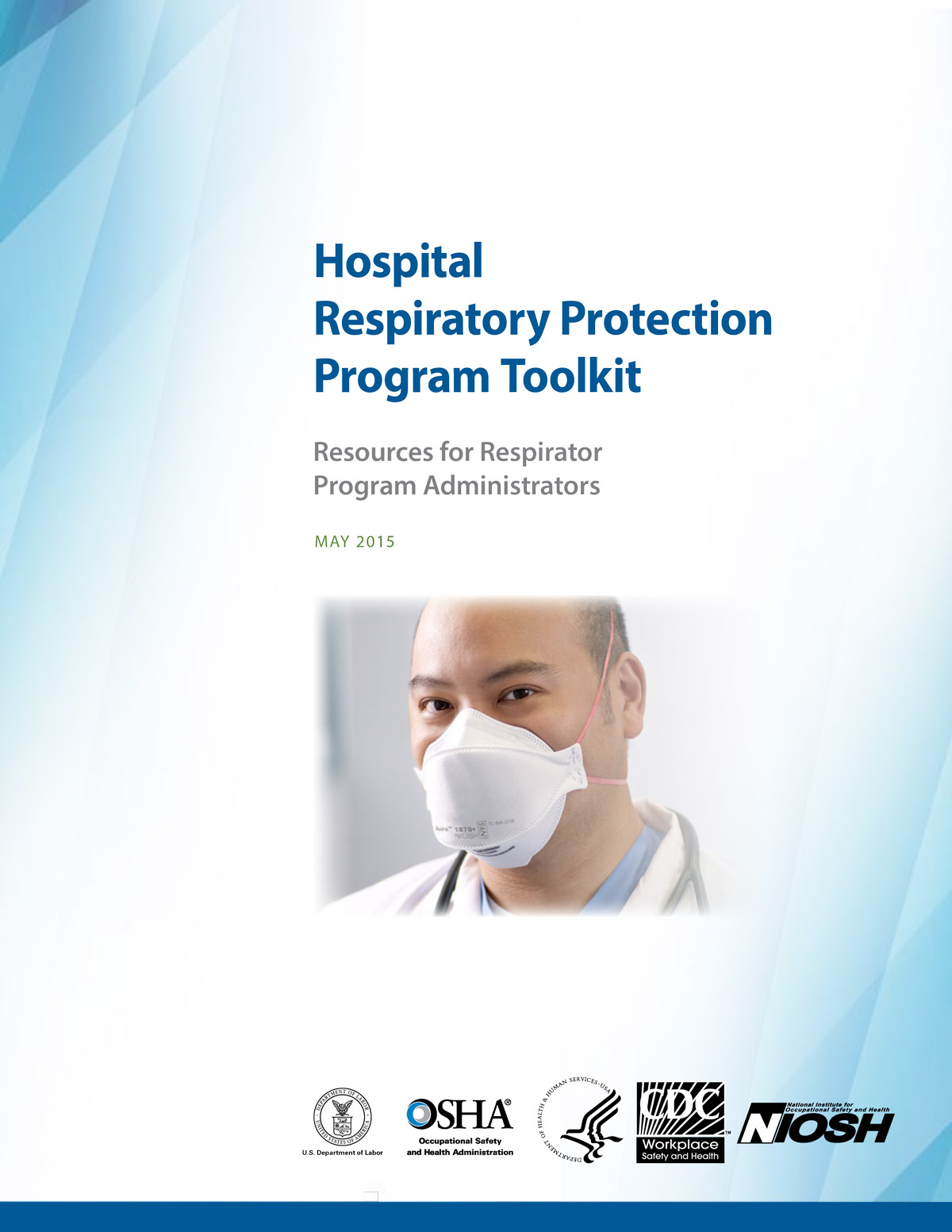
Osha Written Respiratory Protection Program Template at Nathaniel

Infographic Respiratory Protection Programs EHSLeaders
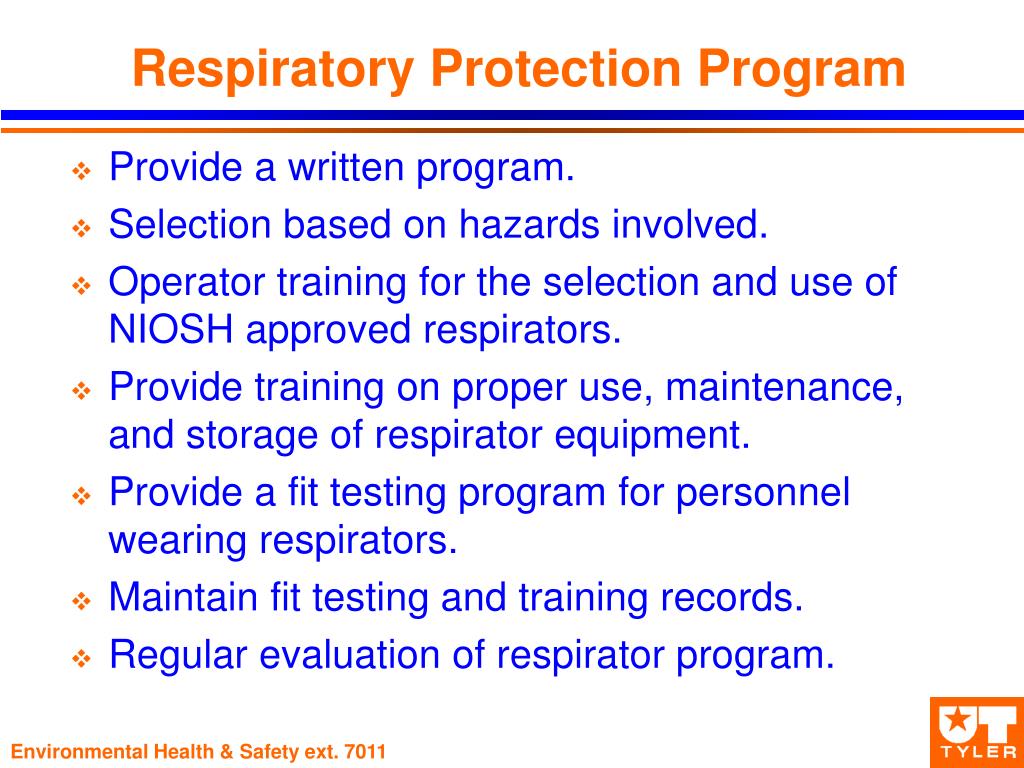
Respiratory Protection Program Template
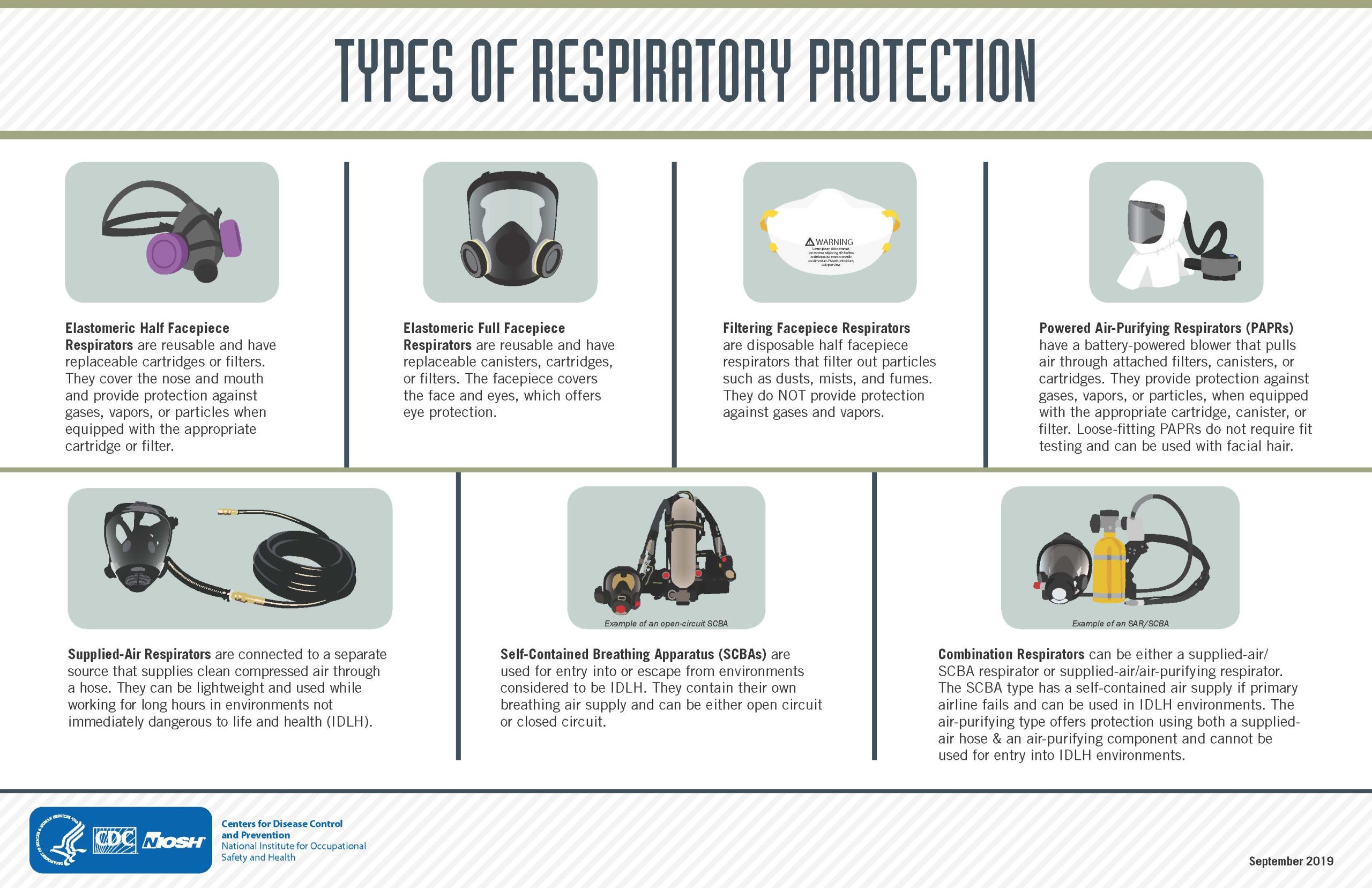
Respirator Types and Use Personal Protective Equipment CDC
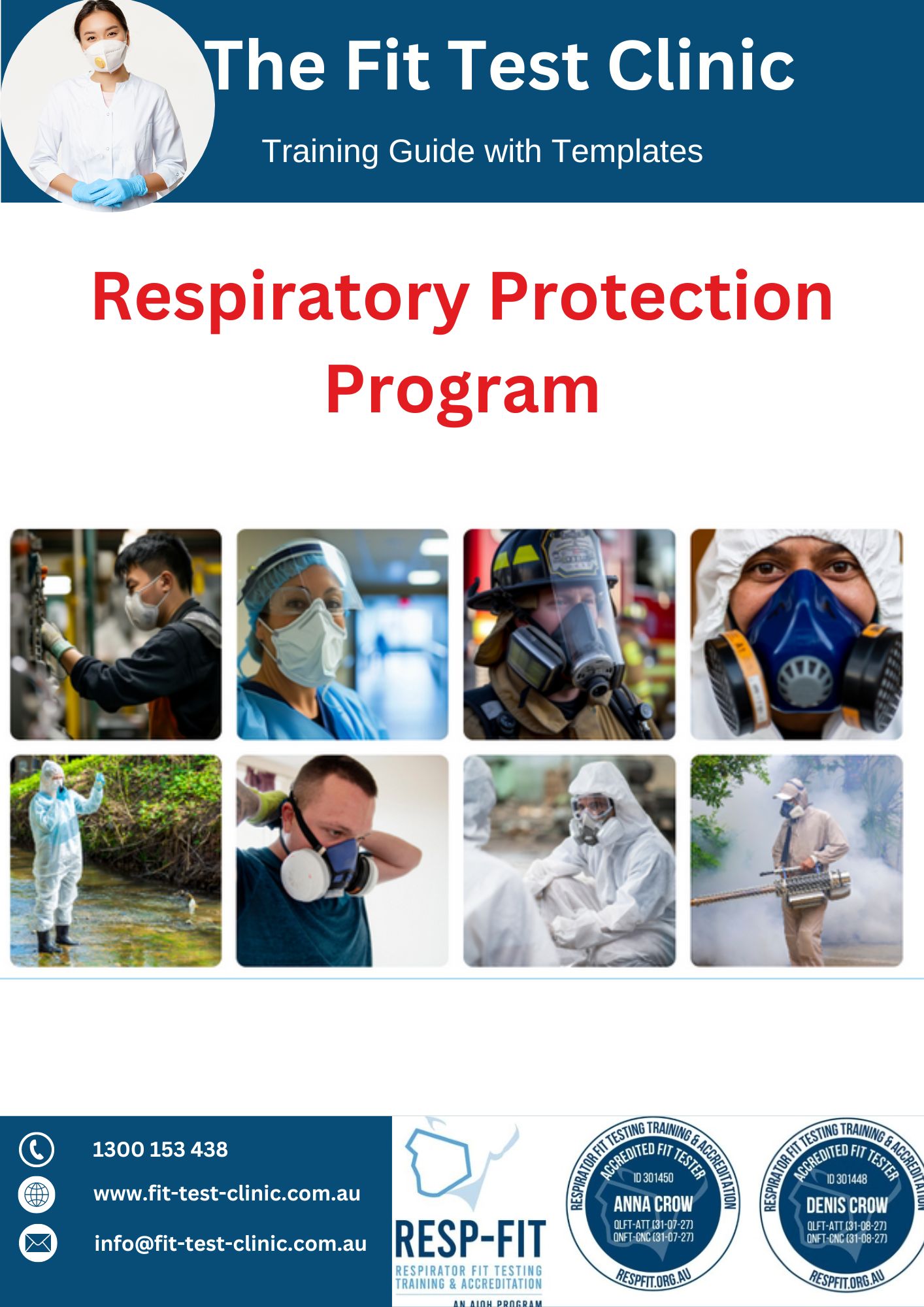
Does your workplace have a Respiratory Protection Program?
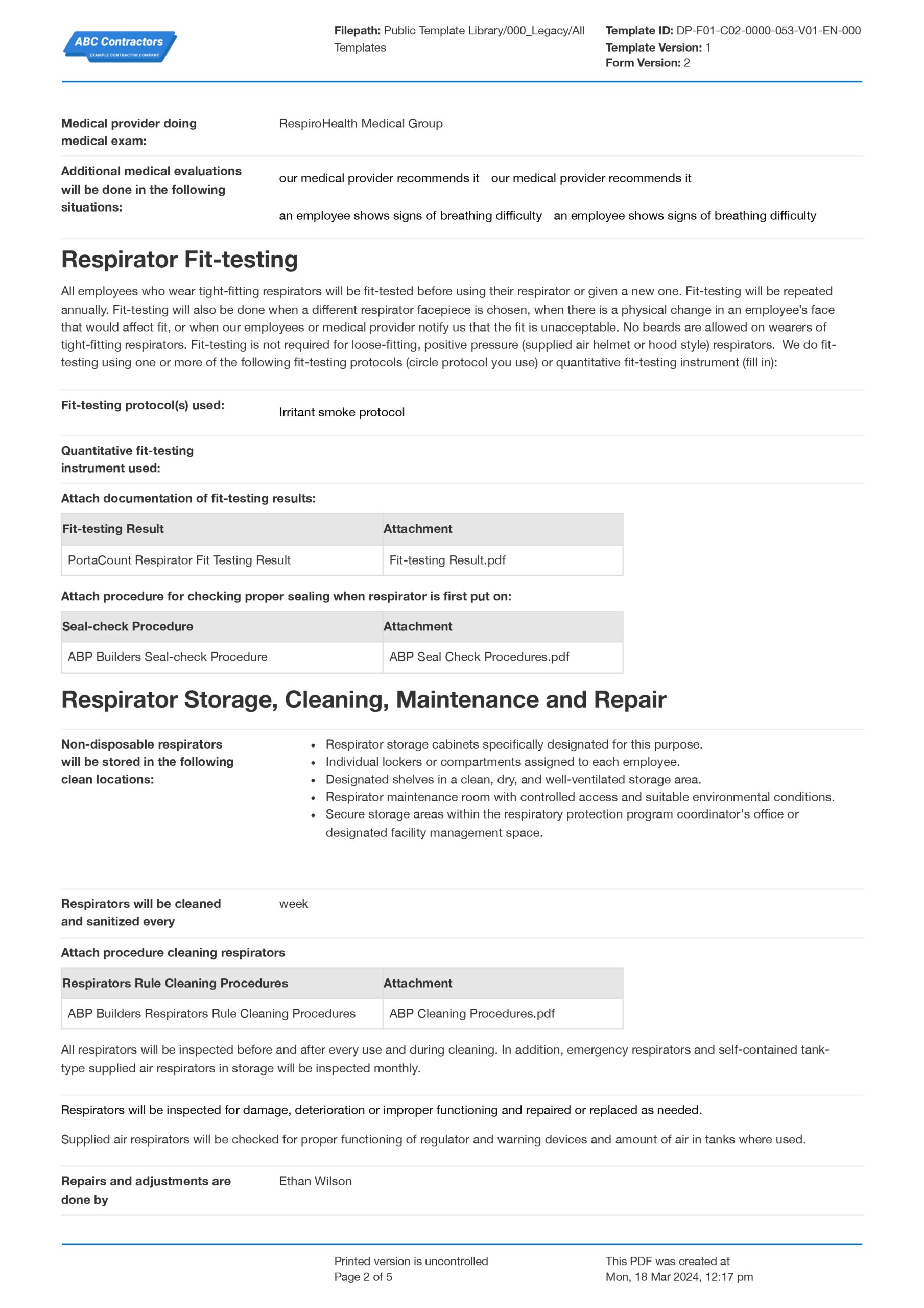
OSHA Respiratory Protection Program & Plan Template

Respiratory Protection Awareness Training at Patrick Lauzon blog
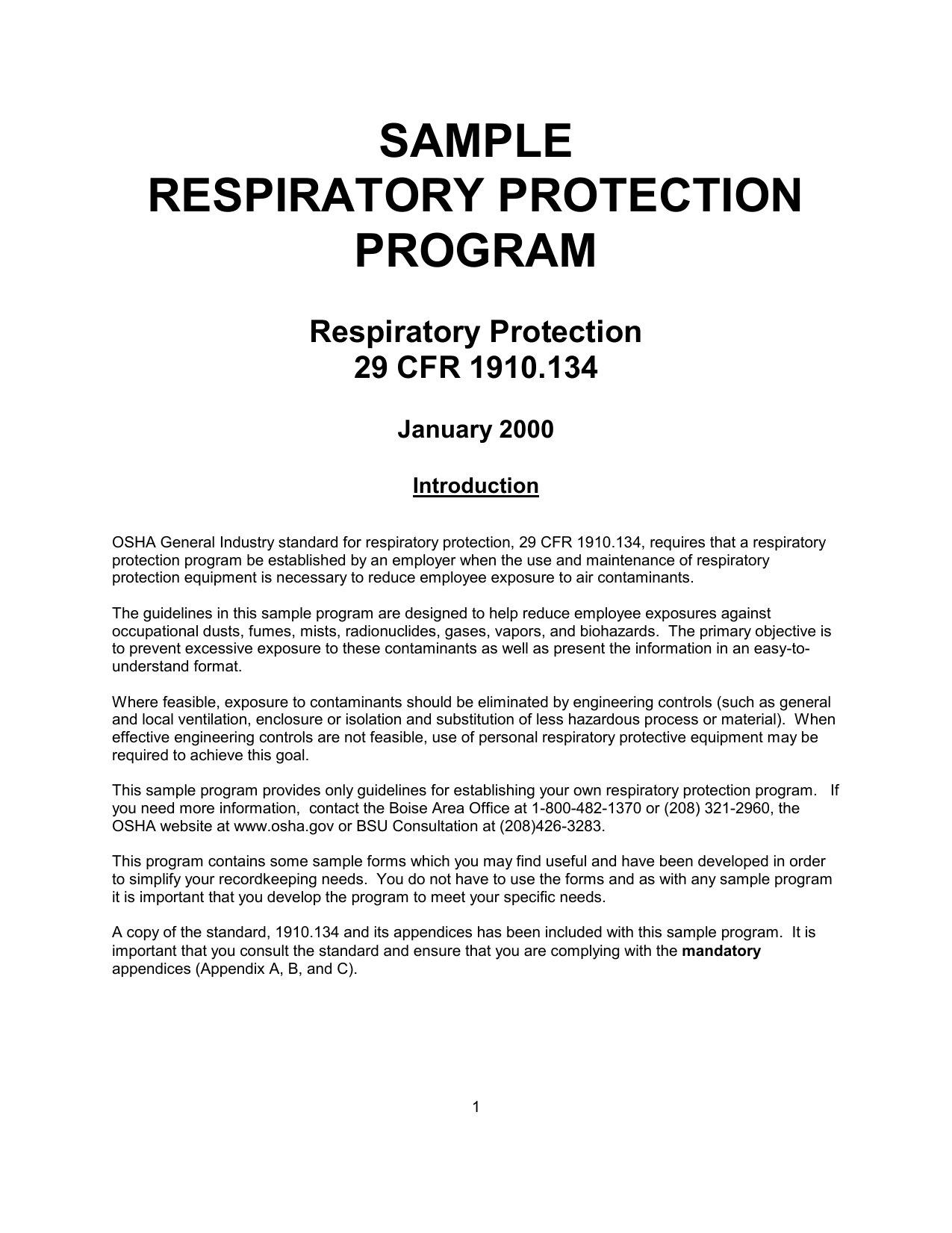
Respiratory Protection Program Template

Respiratory Protection Program Template SafetyNow ILT
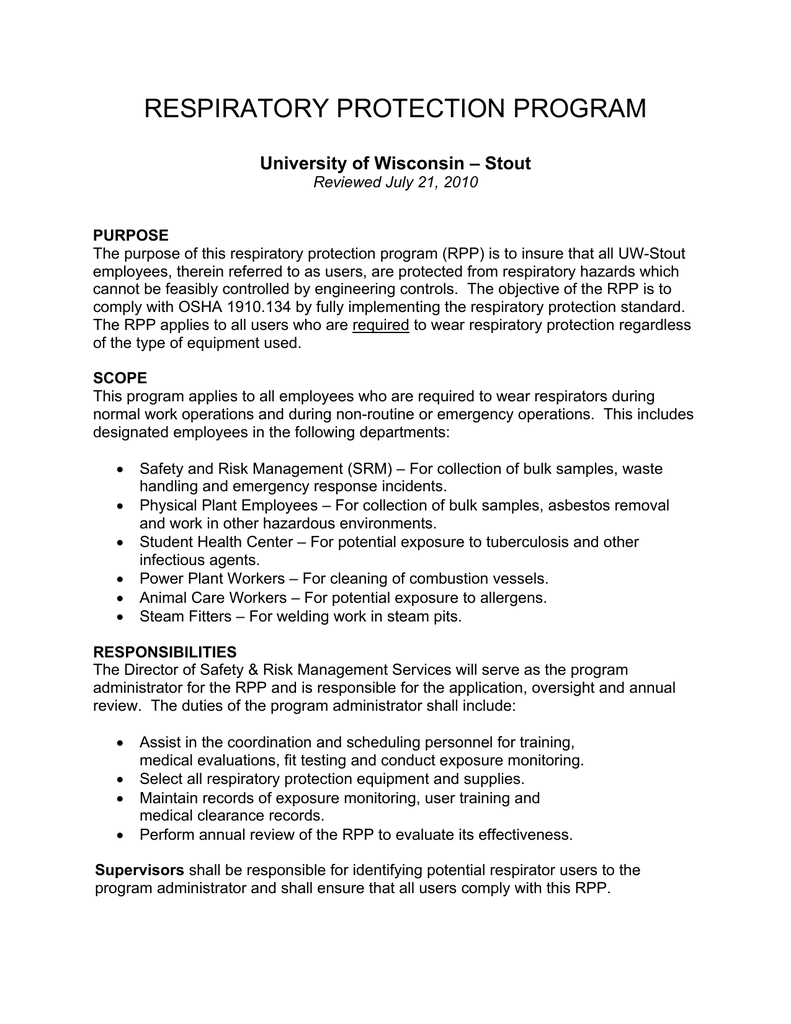
Osha Written Respiratory Protection Program Template at Nathaniel

Respiratory Protection Program for LongTerm Care Facilities
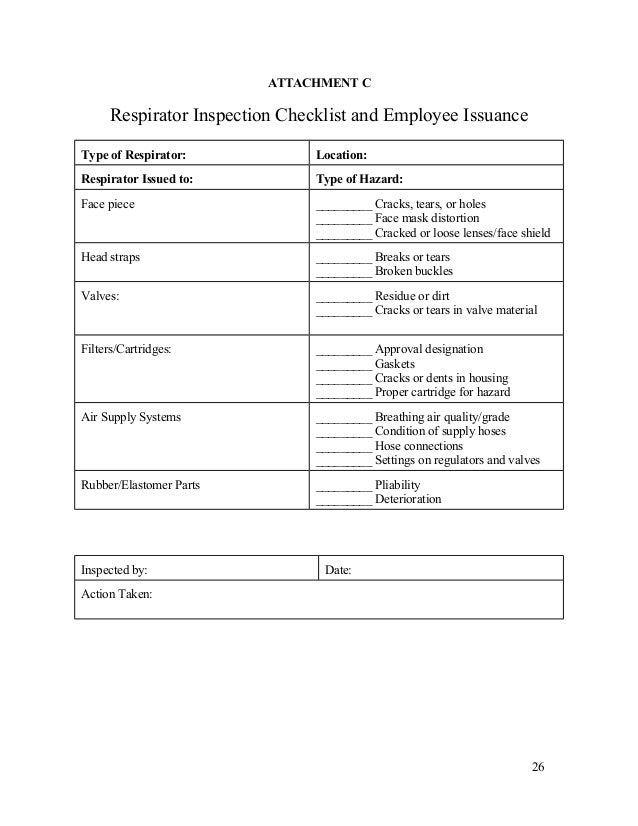
Respiratory Protection Program Template Osha at Laura Mullen blog
Respiratory Protection Program Guide PDF Occupational Safety And
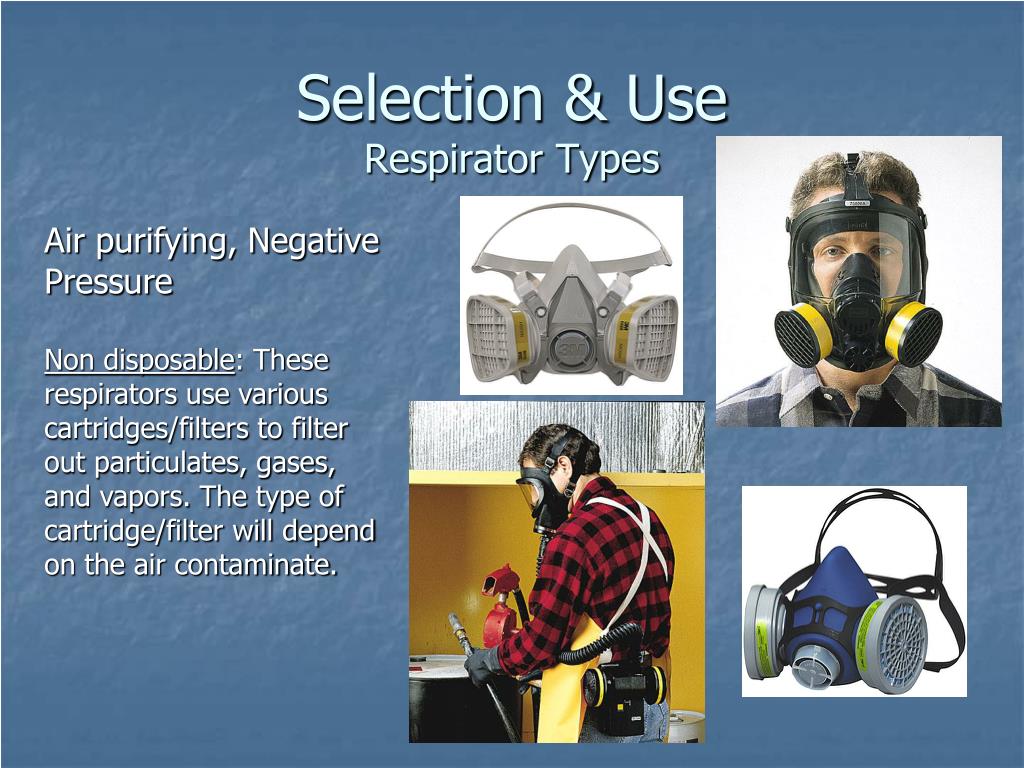
PPT Respiratory Protection Program PowerPoint Presentation, free
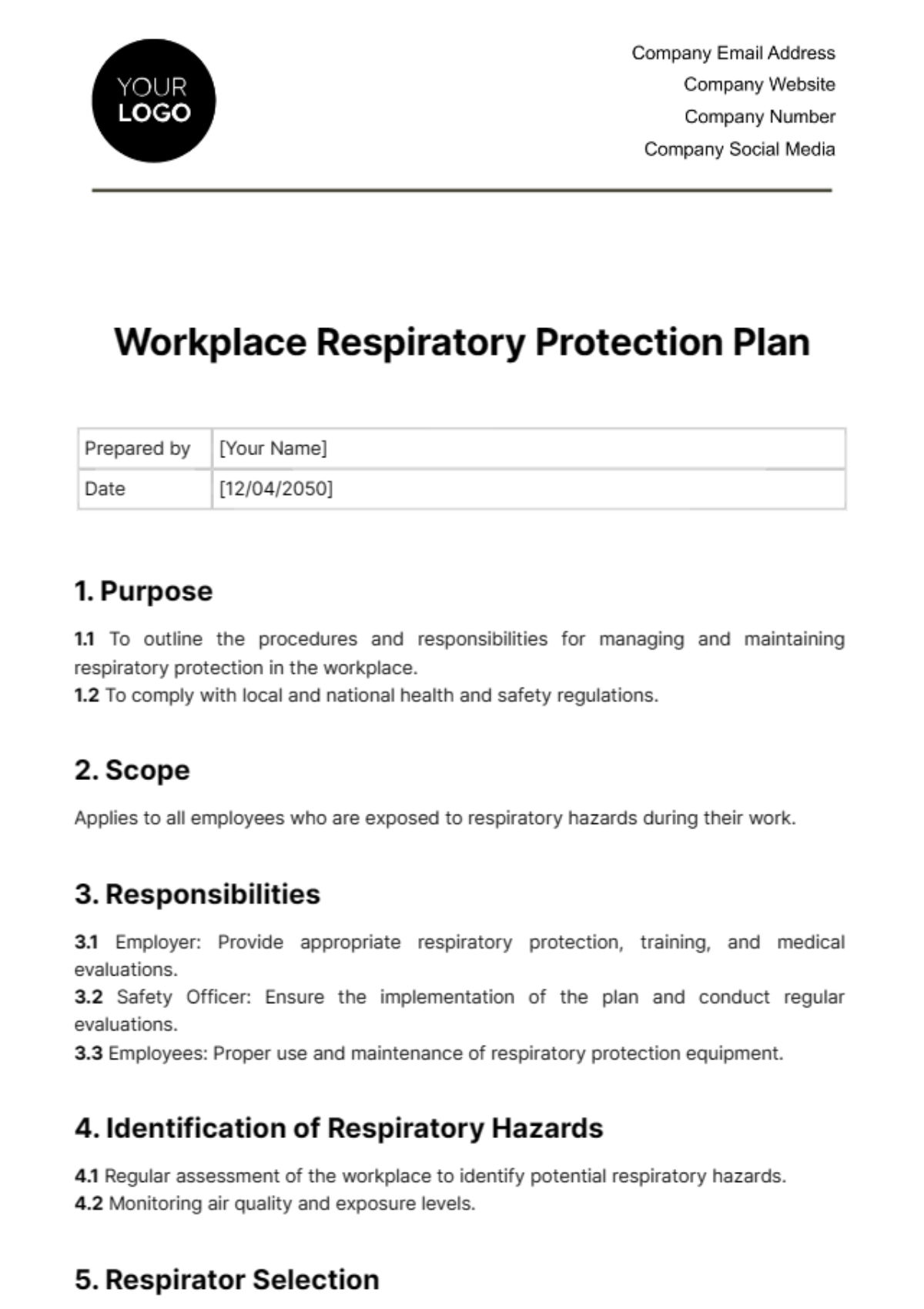
Respiratory Protection Program Template prntbl
Respiratory Protection Program Template Get OSHA Respirator Clearance
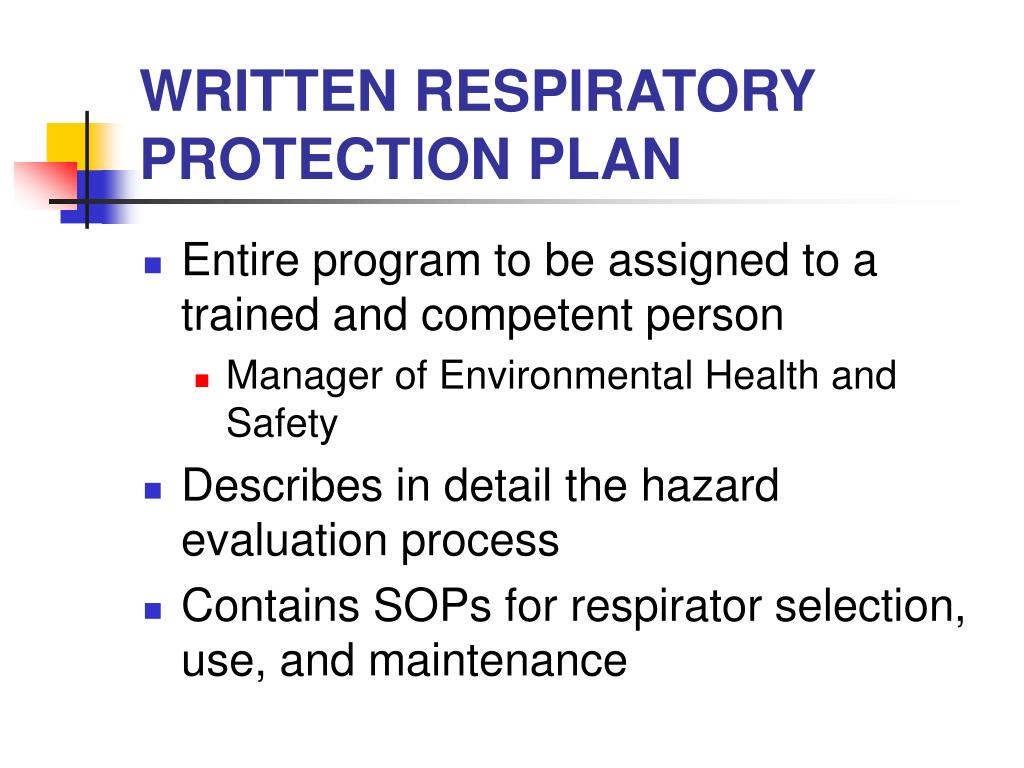
Osha Written Respiratory Protection Program Template at Nathaniel

Respiratory Protection Program Template Osha at Laura Mullen blog
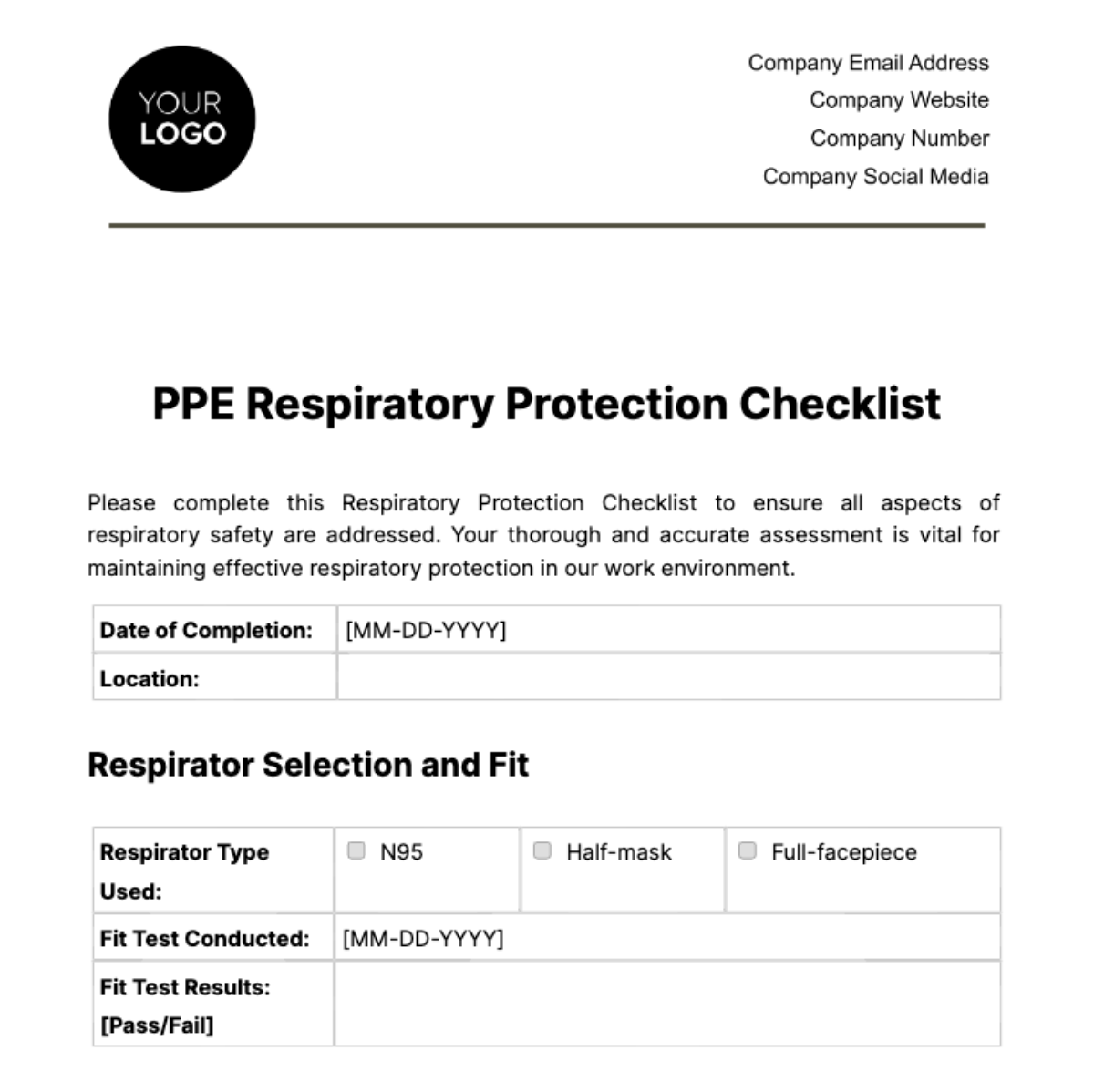
Free Equipment Checklist Templates, Editable and Printable

Respiratory Protection Program Template
Respiratory Protection Program Template Get OSHA Respirator Clearance
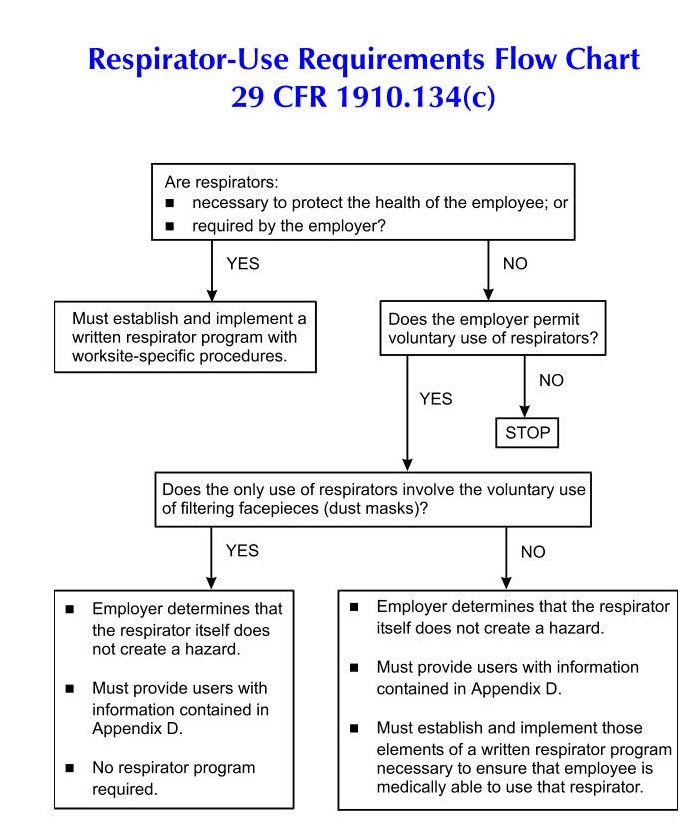
Respiratory Protection Program Template

Clinic Respiratory Protection Program Template
Respiratory Safety Program at Sara Huff blog

Respiratory Protection and VOC Exposure A Critical Safety Guide OHSE
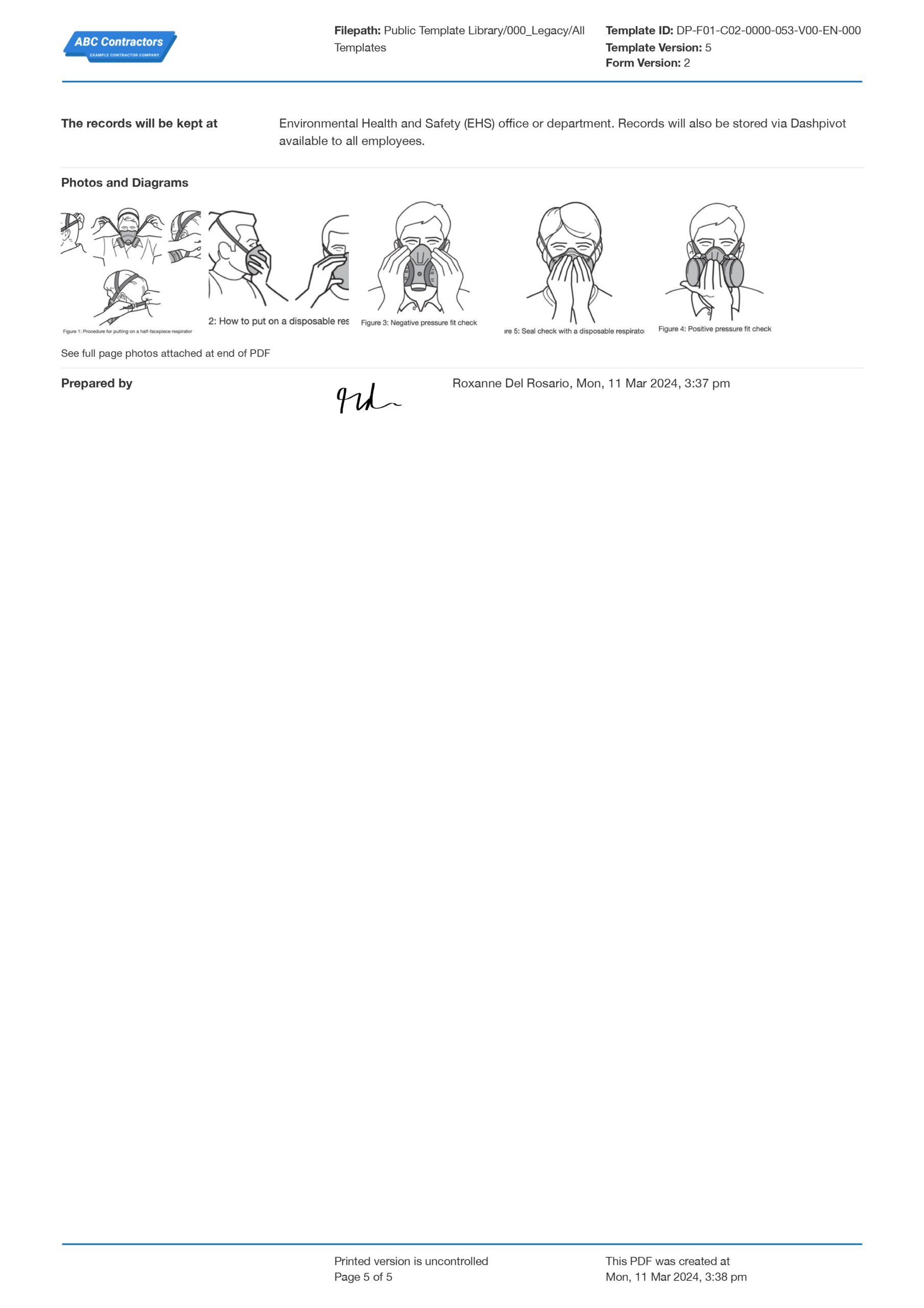
Respiratory Protection Program & Plan Template

Osha Written Respiratory Protection Program Template at Nathaniel
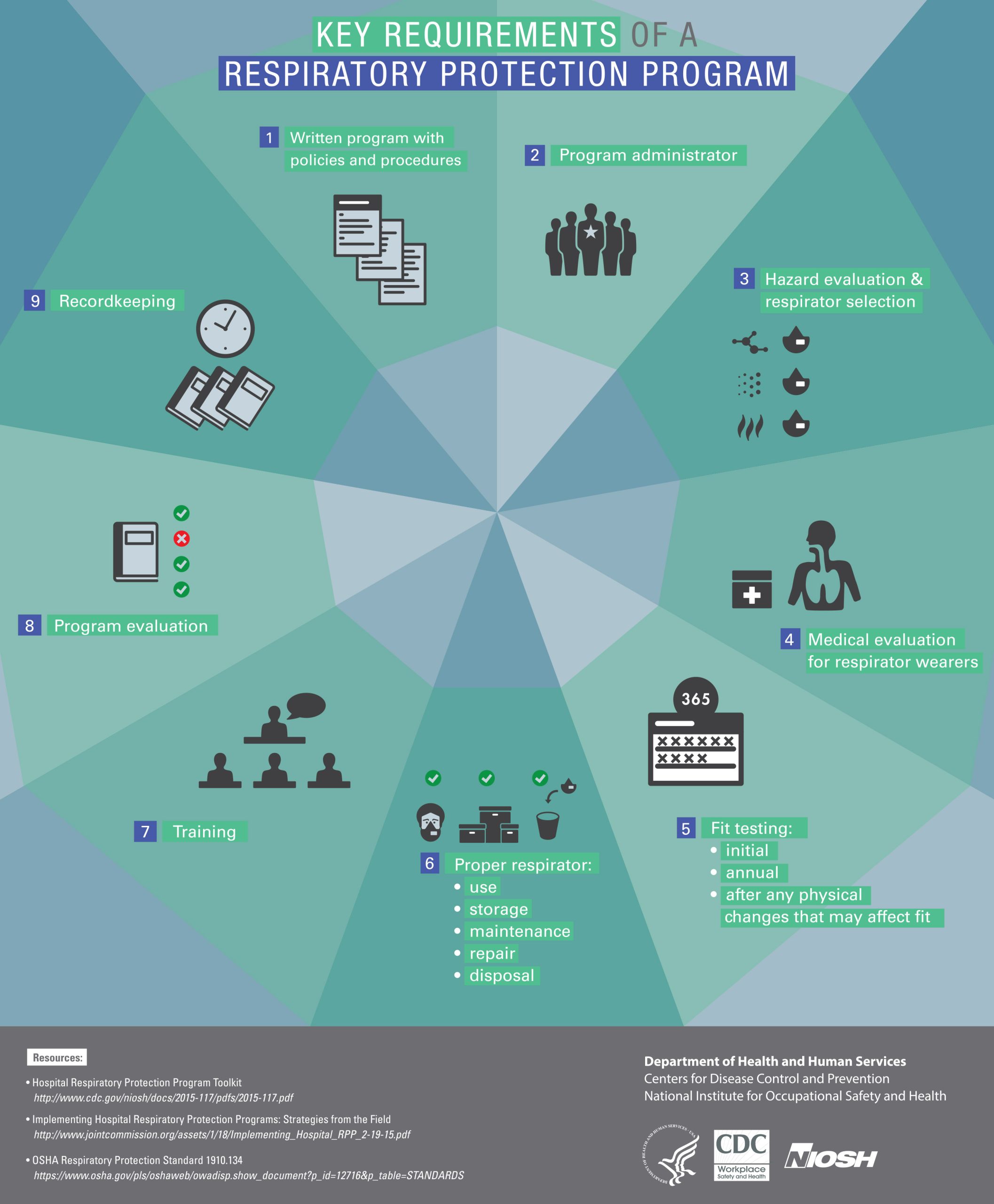
Hospital Respiratory Protection Program Toolkit Healthcare Workers CDC
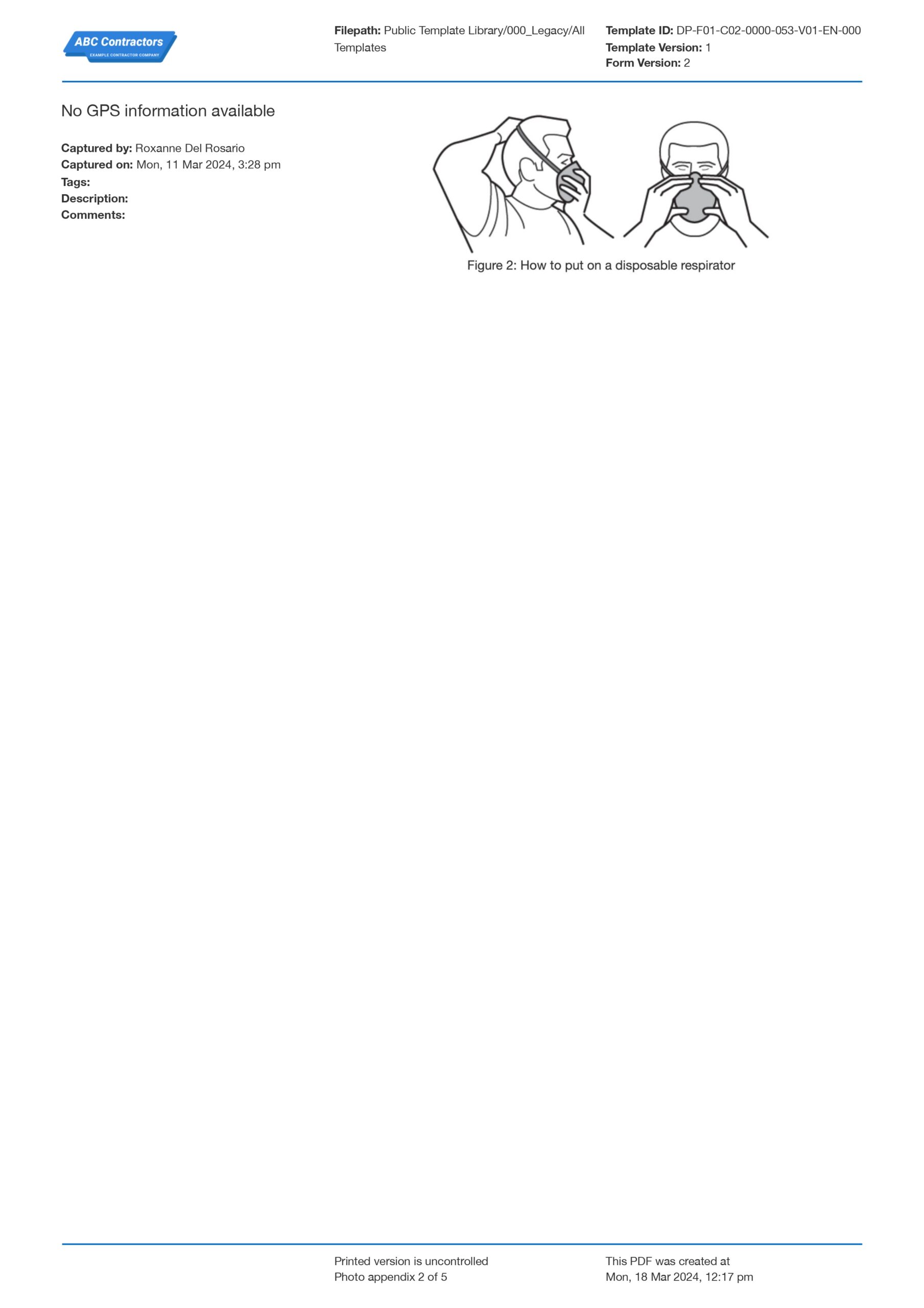
OSHA Respiratory Protection Program & Plan Template

Respiratory Protection Program Sample Workplace Safety

Fire Department Respiratory Protection Program Template at Carolyn
The Major Organs Of The Respiratory System Include The Nose, Pharynx, Larynx,.
Respiratory Disorders Include Asthma, Chronic Obstructive Pulmonary.
It Includes Your Lungs, Nose, Mouth And The Tubelike Structures.
Human Respiratory System, The System In Humans That Takes Up Oxygen And Expels Carbon Dioxide.
Related Post:
