Attachment Email Template
Attachment Email Template - Attachment theory tells us that the emotional attachments we form with our primary caregivers in infancy can influence our interpersonal. Attachment theory is centered on the emotional bonds between people and suggests that our earliest attachments can leave a lasting mark on our lives. Of course, the mother provides food and warmth, but for the purposes of attachment what really matters is the sense of safety, comfort, and refuge the mother provides. Discover the four primary styles and how they shape our actions. Within attachment theory, attachment refers to an affectional bond or tie between an individual and an attachment figure, usually a caregiver or guardian. Attachment styles are emotional bonds that influence our behavior in relationships. Attachment theory explains how emotional bonds form between individuals, especially between a child and their primary caregiver (salcuni, 2015). Attachment is the emotional bond that forms between the infant and the caregiver, and it is how the helpless infant gets primary needs met. Attachment theory explains how humans form strong emotional bonds with key individuals, starting in childhood, to help manage stress, fear, and uncertainty. Attachment builds in four stages over baby’s first two years. Attachment styles form when we’re still babies. Attachment styles are emotional bonds that influence our behavior in relationships. It then becomes an engine of subsequent social,. Attachment is the emotional bond that forms between the infant and the caregiver, and it is how the helpless infant gets primary needs met. Attachment theory says babies’ bonds with their caregivers affect their. Attachment is an emotional bond that forms in early childhood when we are 10 to 20 months old based on our parents’ behavior. Attachment theory explains how emotional bonds form between individuals, especially between a child and their primary caregiver (salcuni, 2015). Of course, the mother provides food and warmth, but for the purposes of attachment what really matters is. Attachment builds in four stages over baby’s first two years. Attachment theory tells us that the emotional attachments we form with our primary caregivers in infancy can influence our interpersonal. Within attachment theory, attachment refers to an affectional bond or tie between an individual and an attachment figure, usually a caregiver or guardian. Attachment is the emotional bond that forms. Attachment theory tells us that the emotional attachments we form with our primary caregivers in infancy can influence our interpersonal. Attachment styles form when we’re still babies. Within attachment theory, attachment refers to an affectional bond or tie between an individual and an attachment figure, usually a caregiver or guardian. Discover the four primary styles and how they shape our. Attachment is an emotional bond that forms in early childhood when we are 10 to 20 months old based on our parents’ behavior. Attachment styles are emotional bonds that influence our behavior in relationships. Attachment theory says babies’ bonds with their caregivers affect their future relationships. Attachment theory is centered on the emotional bonds between people and suggests that our. Attachment theory says babies’ bonds with their caregivers affect their future relationships. Attachment builds in four stages over baby’s first two years. Attachment is an emotional bond that forms in early childhood when we are 10 to 20 months old based on our parents’ behavior. Attachment styles are emotional bonds that influence our behavior in relationships. Attachment theory explains how. Attachment theory is centered on the emotional bonds between people and suggests that our earliest attachments can leave a lasting mark on our lives. Attachment theory explains how emotional bonds form between individuals, especially between a child and their primary caregiver (salcuni, 2015). Attachment styles are emotional bonds that influence our behavior in relationships. Attachment theory explains how humans form. Attachment is the emotional bond that forms between the infant and the caregiver, and it is how the helpless infant gets primary needs met. Attachment theory explains how emotional bonds form between individuals, especially between a child and their primary caregiver (salcuni, 2015). Discover the four primary styles and how they shape our actions. Attachment theory tells us that the. Attachment theory explains how humans form strong emotional bonds with key individuals, starting in childhood, to help manage stress, fear, and uncertainty. Attachment styles form when we’re still babies. Attachment theory tells us that the emotional attachments we form with our primary caregivers in infancy can influence our interpersonal. Attachment theory is centered on the emotional bonds between people and. Attachment theory explains how emotional bonds form between individuals, especially between a child and their primary caregiver (salcuni, 2015). Of course, the mother provides food and warmth, but for the purposes of attachment what really matters is the sense of safety, comfort, and refuge the mother provides. Attachment styles are emotional bonds that influence our behavior in relationships. It then. It then becomes an engine of subsequent social,. Attachment theory is centered on the emotional bonds between people and suggests that our earliest attachments can leave a lasting mark on our lives. Attachment is an emotional bond that forms in early childhood when we are 10 to 20 months old based on our parents’ behavior. Of course, the mother provides. Discover the four primary styles and how they shape our actions. Unconscious patterns become set in place by the time we are two years old. Attachment theory explains how emotional bonds form between individuals, especially between a child and their primary caregiver (salcuni, 2015). Attachment is an emotional bond that forms in early childhood when we are 10 to 20. Attachment styles form when we’re still babies. Of course, the mother provides food and warmth, but for the purposes of attachment what really matters is the sense of safety, comfort, and refuge the mother provides. Attachment theory tells us that the emotional attachments we form with our primary caregivers in infancy can influence our interpersonal. It then becomes an engine. Discover the four primary styles and how they shape our actions. Attachment is an emotional bond that forms in early childhood when we are 10 to 20 months old based on our parents’ behavior. Attachment styles are emotional bonds that influence our behavior in relationships. Attachment theory says babies’ bonds with their caregivers affect their future relationships. Attachment theory is. Of course, the mother provides food and warmth, but for the purposes of attachment what really matters is the sense of safety, comfort, and refuge the mother provides. Attachment theory explains how humans form strong emotional bonds with key individuals, starting in childhood, to help manage stress, fear, and uncertainty. Attachment theory tells us that the emotional attachments we form. Attachment styles form when we’re still babies. Attachment styles are emotional bonds that influence our behavior in relationships. Attachment theory tells us that the emotional attachments we form with our primary caregivers in infancy can influence our interpersonal. Of course, the mother provides food and warmth, but for the purposes of attachment what really matters is the sense of safety,. Of course, the mother provides food and warmth, but for the purposes of attachment what really matters is the sense of safety, comfort, and refuge the mother provides. Unconscious patterns become set in place by the time we are two years old. Attachment theory tells us that the emotional attachments we form with our primary caregivers in infancy can influence. It then becomes an engine of subsequent social,. Unconscious patterns become set in place by the time we are two years old. Attachment builds in four stages over baby’s first two years. Attachment theory explains how emotional bonds form between individuals, especially between a child and their primary caregiver (salcuni, 2015). Attachment theory tells us that the emotional attachments we. Attachment theory explains how emotional bonds form between individuals, especially between a child and their primary caregiver (salcuni, 2015). Of course, the mother provides food and warmth, but for the purposes of attachment what really matters is the sense of safety, comfort, and refuge the mother provides. Attachment is the emotional bond that forms between the infant and the caregiver,. Attachment theory explains how humans form strong emotional bonds with key individuals, starting in childhood, to help manage stress, fear, and uncertainty. Attachment is the emotional bond that forms between the infant and the caregiver, and it is how the helpless infant gets primary needs met. Attachment theory says babies’ bonds with their caregivers affect their future relationships. Unconscious patterns. It then becomes an engine of subsequent social,. Attachment theory explains how emotional bonds form between individuals, especially between a child and their primary caregiver (salcuni, 2015). Unconscious patterns become set in place by the time we are two years old. Of course, the mother provides food and warmth, but for the purposes of attachment what really matters is the. Attachment is the emotional bond that forms between the infant and the caregiver, and it is how the helpless infant gets primary needs met. Discover the four primary styles and how they shape our actions. Attachment theory says babies’ bonds with their caregivers affect their future relationships. Of course, the mother provides food and warmth, but for the purposes of. Attachment styles are emotional bonds that influence our behavior in relationships. Discover the four primary styles and how they shape our actions. Attachment theory tells us that the emotional attachments we form with our primary caregivers in infancy can influence our interpersonal. Attachment builds in four stages over baby’s first two years. Of course, the mother provides food and warmth,. Attachment theory explains how humans form strong emotional bonds with key individuals, starting in childhood, to help manage stress, fear, and uncertainty. Unconscious patterns become set in place by the time we are two years old. Discover the four primary styles and how they shape our actions. Attachment styles form when we’re still babies. Attachment builds in four stages over. Attachment builds in four stages over baby’s first two years. It then becomes an engine of subsequent social,. Unconscious patterns become set in place by the time we are two years old. Attachment is an emotional bond that forms in early childhood when we are 10 to 20 months old based on our parents’ behavior. Attachment theory tells us that. Discover the four primary styles and how they shape our actions. Attachment styles form when we’re still babies. Attachment theory is centered on the emotional bonds between people and suggests that our earliest attachments can leave a lasting mark on our lives. Within attachment theory, attachment refers to an affectional bond or tie between an individual and an attachment figure,. Attachment theory explains how humans form strong emotional bonds with key individuals, starting in childhood, to help manage stress, fear, and uncertainty. Within attachment theory, attachment refers to an affectional bond or tie between an individual and an attachment figure, usually a caregiver or guardian. Attachment theory says babies’ bonds with their caregivers affect their future relationships. Attachment theory is. Attachment builds in four stages over baby’s first two years. Attachment theory explains how emotional bonds form between individuals, especially between a child and their primary caregiver (salcuni, 2015). Of course, the mother provides food and warmth, but for the purposes of attachment what really matters is the sense of safety, comfort, and refuge the mother provides. Attachment theory explains. Attachment is an emotional bond that forms in early childhood when we are 10 to 20 months old based on our parents’ behavior. Attachment styles form when we’re still babies. It then becomes an engine of subsequent social,. Attachment theory explains how emotional bonds form between individuals, especially between a child and their primary caregiver (salcuni, 2015). Attachment styles are. Of course, the mother provides food and warmth, but for the purposes of attachment what really matters is the sense of safety, comfort, and refuge the mother provides. Attachment theory tells us that the emotional attachments we form with our primary caregivers in infancy can influence our interpersonal. Within attachment theory, attachment refers to an affectional bond or tie between. Attachment theory tells us that the emotional attachments we form with our primary caregivers in infancy can influence our interpersonal. Attachment is the emotional bond that forms between the infant and the caregiver, and it is how the helpless infant gets primary needs met. Attachment theory is centered on the emotional bonds between people and suggests that our earliest attachments. Attachment theory tells us that the emotional attachments we form with our primary caregivers in infancy can influence our interpersonal. Attachment is an emotional bond that forms in early childhood when we are 10 to 20 months old based on our parents’ behavior. Attachment theory explains how humans form strong emotional bonds with key individuals, starting in childhood, to help. Attachment theory is centered on the emotional bonds between people and suggests that our earliest attachments can leave a lasting mark on our lives. Attachment is the emotional bond that forms between the infant and the caregiver, and it is how the helpless infant gets primary needs met. Attachment is an emotional bond that forms in early childhood when we. Discover the four primary styles and how they shape our actions. Attachment is the emotional bond that forms between the infant and the caregiver, and it is how the helpless infant gets primary needs met. Attachment theory explains how emotional bonds form between individuals, especially between a child and their primary caregiver (salcuni, 2015). Attachment theory explains how humans form. Of course, the mother provides food and warmth, but for the purposes of attachment what really matters is the sense of safety, comfort, and refuge the mother provides. Unconscious patterns become set in place by the time we are two years old. Within attachment theory, attachment refers to an affectional bond or tie between an individual and an attachment figure,. Discover the four primary styles and how they shape our actions. Attachment styles are emotional bonds that influence our behavior in relationships. Attachment builds in four stages over baby’s first two years. Of course, the mother provides food and warmth, but for the purposes of attachment what really matters is the sense of safety, comfort, and refuge the mother provides. Attachment is the emotional bond that forms between the infant and the caregiver, and it is how the helpless infant gets primary needs met. It then becomes an engine of subsequent social,. Attachment theory tells us that the emotional attachments we form with our primary caregivers in infancy can influence our interpersonal. Attachment theory explains how humans form strong emotional bonds with key individuals, starting in childhood, to help manage stress, fear, and uncertainty. Attachment theory explains how emotional bonds form between individuals, especially between a child and their primary caregiver (salcuni, 2015). Attachment theory says babies’ bonds with their caregivers affect their future relationships. Attachment styles form when we’re still babies. Within attachment theory, attachment refers to an affectional bond or tie between an individual and an attachment figure, usually a caregiver or guardian.
How to create a template in Outlook with attachment

Create and use an Outllook email template with attachments YouTube

How to create a template in Outlook with attachment
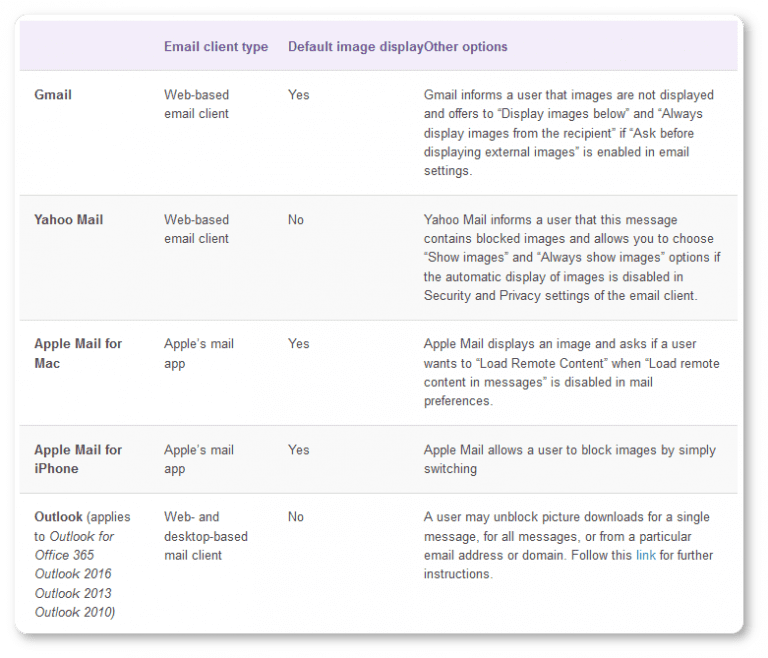
A Short Guide To Email Attachments Pitfalls And Solutions

Email Attachment The Best Practices
![5 Employee Memo Examples + Templates [For Every Use Case]](https://influno.com/wp-content/uploads/2023/10/Email-Template-with-Memo-as-an-Attachment.webp)
5 Employee Memo Examples + Templates [For Every Use Case]
Sending Email With Attachment Sample A StepbyStep Guide Rexandthebeast

How to create a template in Outlook with attachment
Resending Email With Attachment StepbyStep Guide With Sample
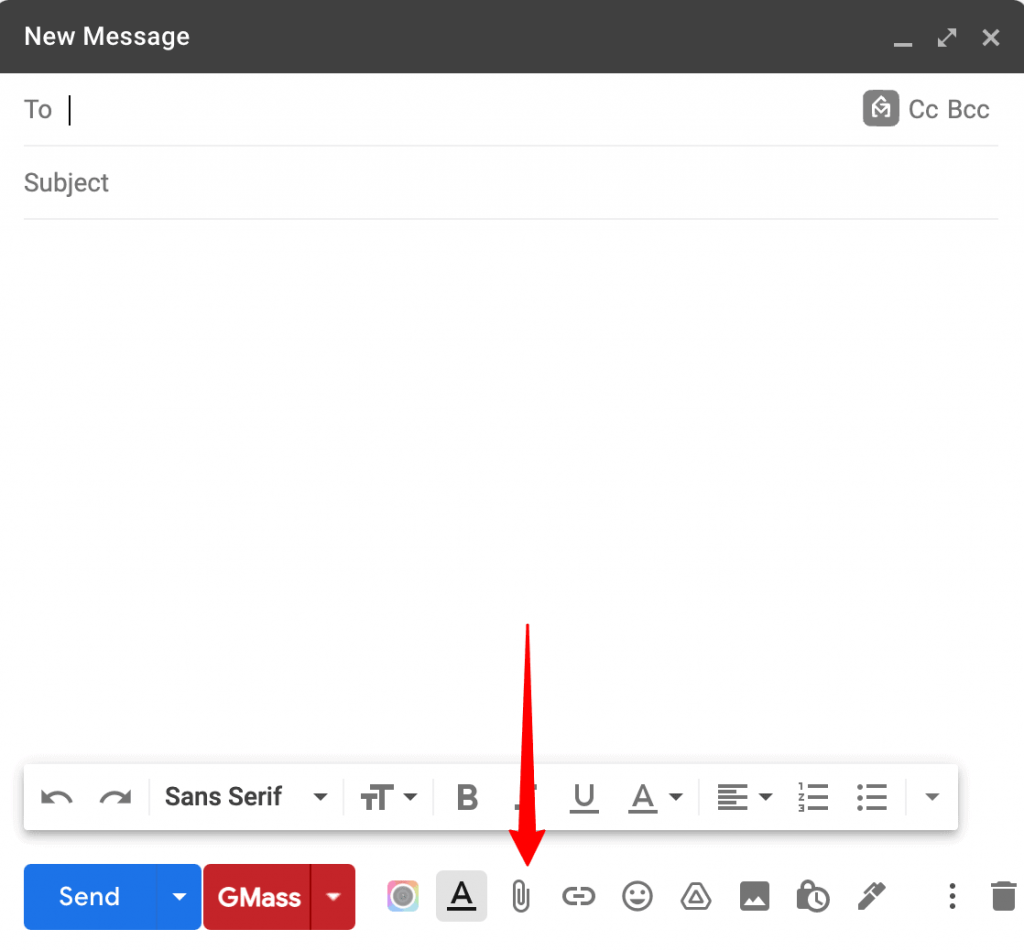
How to Craft The Perfect Email with Attachments (Examples, Tips)

Email attachment & best practices to send email with attachments Zoho
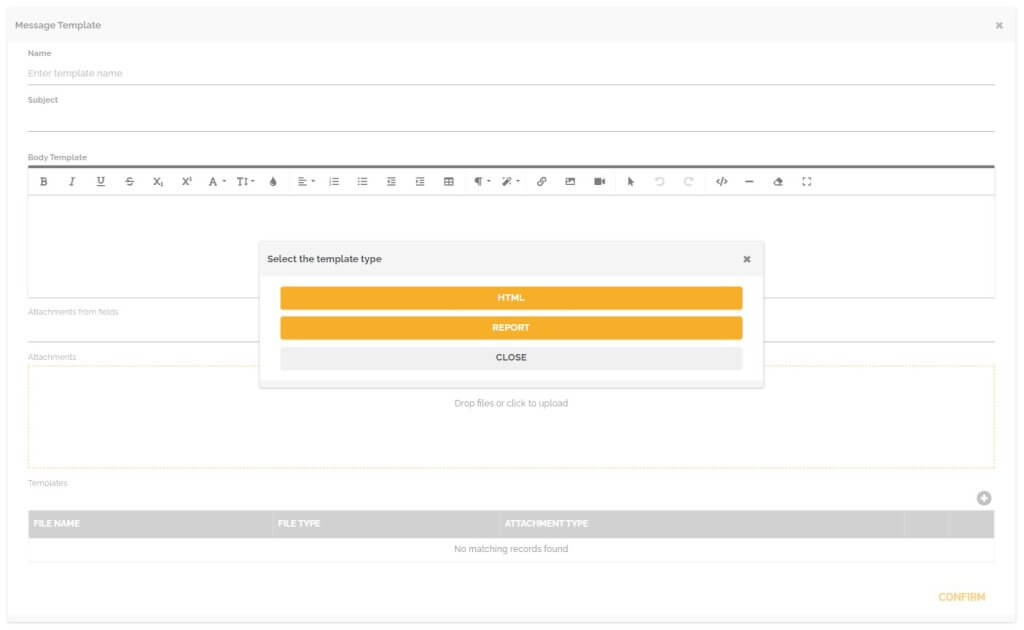
Creating email templates and attachments

How To Write A Formal Letter With Attachment at Ronnie Kincannon blog
Essential Guide To Attachment Letter Format Tips And Examples

How to Create a Template in Gmail With Attachments
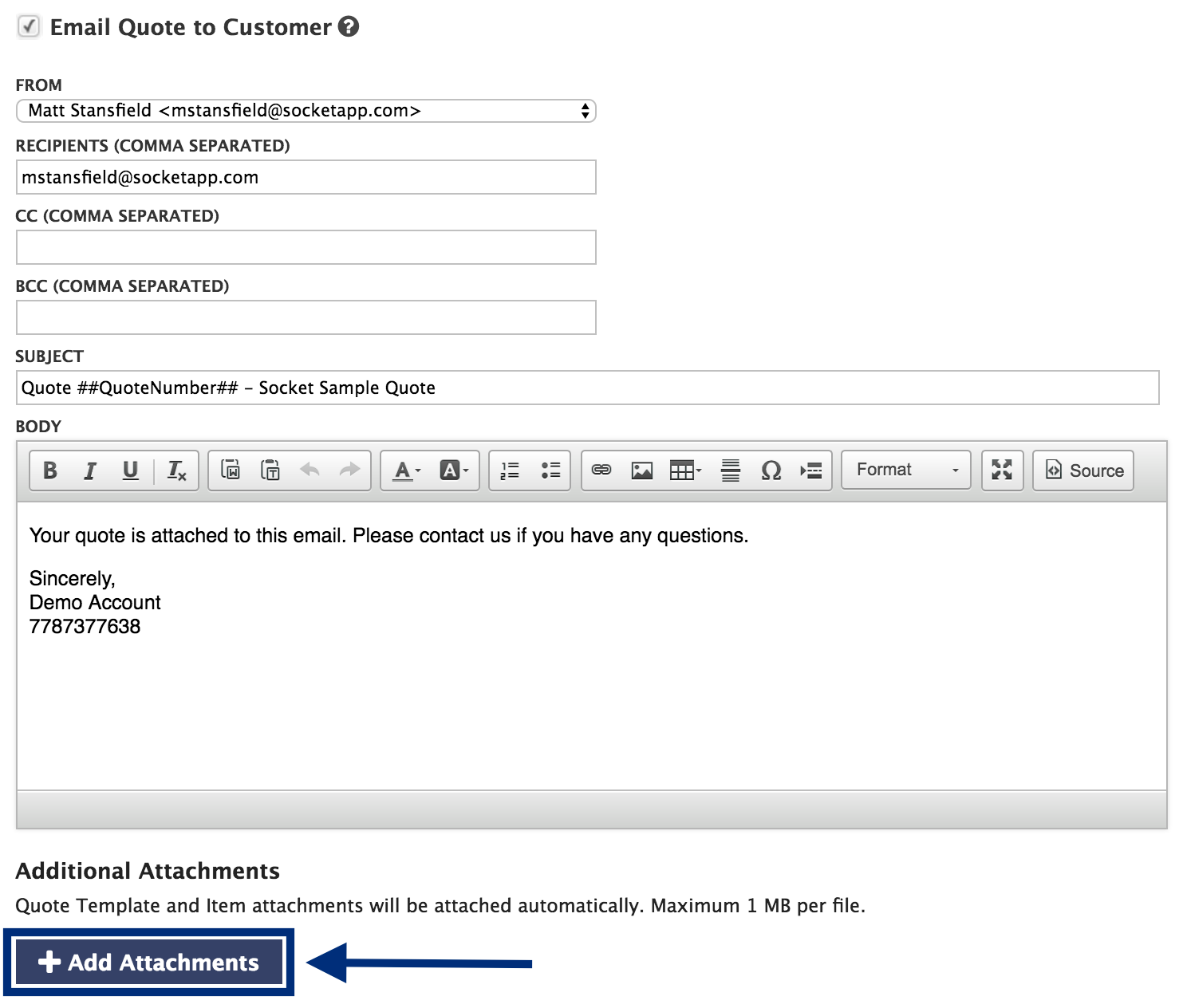
How To Create An Email Template With Attachments In Outlook 365

How to write email with attachment + 20 samples that work every time
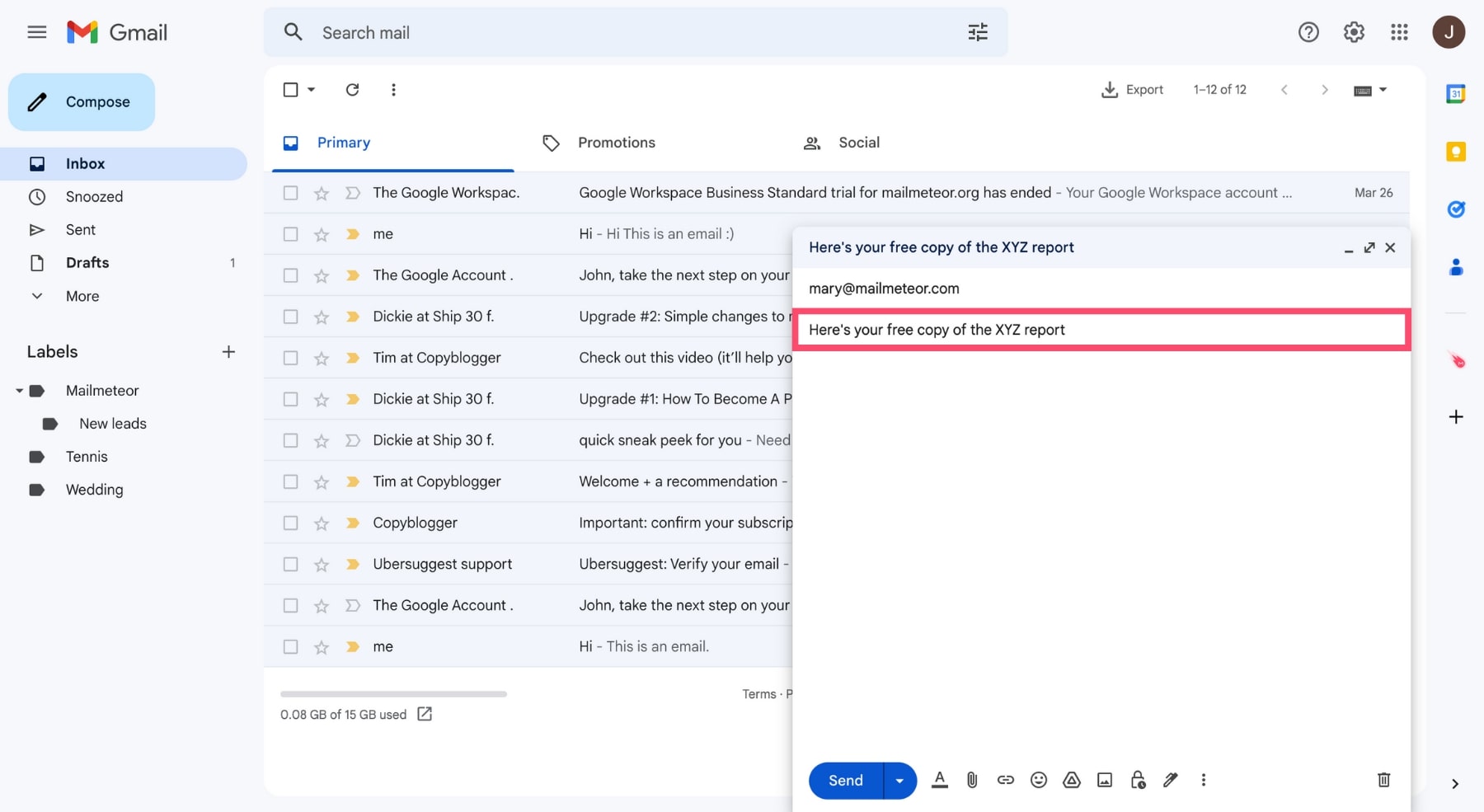
How to Write a Flawless Email with Attachments (Examples Included)

How To Write An Email With Attachment at Sandra Howard blog
How to Add an Attachment to a Mail Merge

How to Write a Flawless Email with Attachments (Examples Included)
Sending Email With Attachment Sample A StepbyStep Guide Rexandthebeast

How to create a template in Outlook with attachment

Gmail Template Email With Attachment at Ada Tawney blog
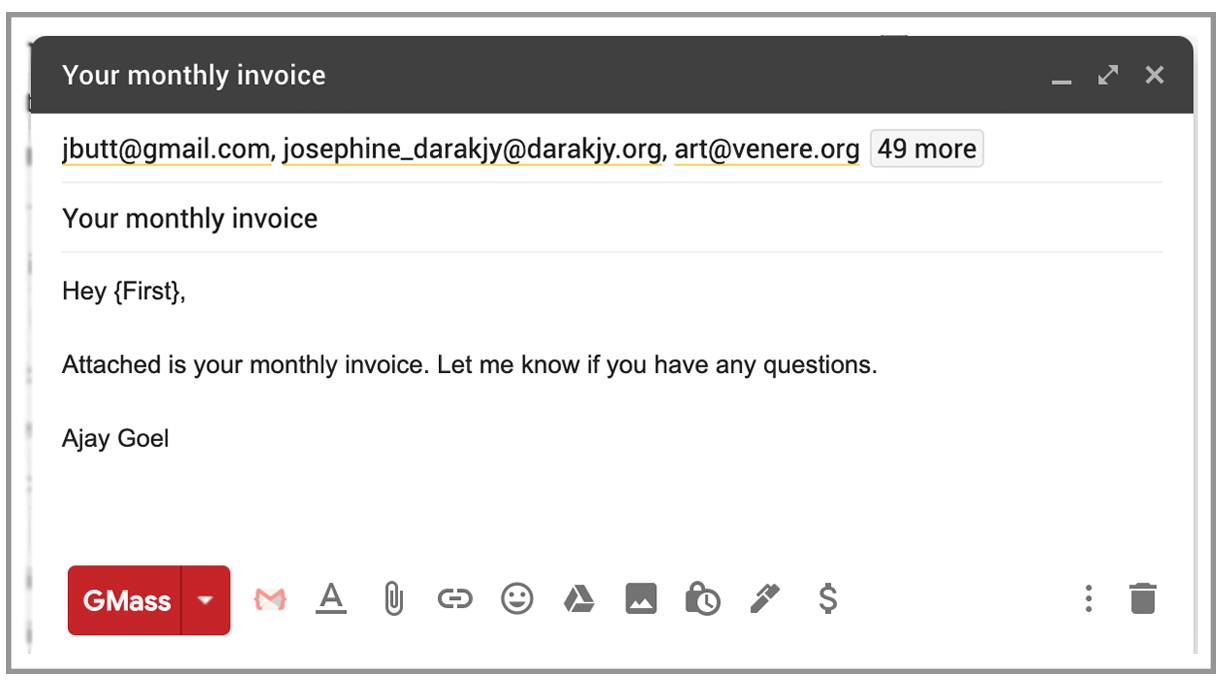
Gmail Template With Attachment

How To Create An Email Template With Attachments

How to Write Email with Attachment File Step by Step Guide With

Wonderful Tips About How To Write Letter With Attachment Commonlab23

How To Write an Email With an Attachment (With Examples)

How To Write An Email With Attachment at Sandra Howard blog

Gmail Template Email With Attachment at Ada Tawney blog

How to create a template in Outlook with attachment

5 great attachment email templates to copy & paste Flodesk Tips

How to Write Email With Attachment + 20 Samples Magezon

How to Write Email With Attachment + 20 Samples Magezon
Unconscious Patterns Become Set In Place By The Time We Are Two Years Old.
Attachment Theory Is Centered On The Emotional Bonds Between People And Suggests That Our Earliest Attachments Can Leave A Lasting Mark On Our Lives.
Attachment Is An Emotional Bond That Forms In Early Childhood When We Are 10 To 20 Months Old Based On Our Parents’ Behavior.
Related Post: