
Dna Template Sequence
Dna Template Sequence - Alongside proteins, lipids and complex carbohydrates (polysaccharides), nucleic acids are one of the four major types of macromolecules that are essential. These acids are very common in all living things, where they create,. There are two types of nucleic acids: They carry information in cells and make up genetic material. Dna and ribonucleic acid (rna) are nucleic acids. Dna is an organic chemical of complex molecular structure found in all prokaryotic and eukaryotic cells. Deoxyribonucleic acid (abbreviated dna) is the molecule that carries genetic information for the development and functioning of an organism. Dna, or deoxyribonucleic acid, is the hereditary material in humans and almost all other organisms. Nucleic acids are chemical compounds that are found in nature. Dna is made of two linked strands that wind. Deoxyribonucleic acid (dna) and ribonucleic acid (rna). Two strands of dna together form a double helix — a bit like a spiral staircase. Nucleic acids are chemical compounds that are found in nature. Deoxyribonucleic acid (abbreviated dna) is the molecule that carries genetic information for the development and functioning of an organism. Dna is an organic chemical of complex molecular. Dna, or deoxyribonucleic acid, is the hereditary material in humans and almost all other organisms. Each of these molecules has a unique structure that enables it to fulfill specific functions within the cell. There are two types of nucleic acids: It codes genetic information for the transmission of inherited traits. Alongside proteins, lipids and complex carbohydrates (polysaccharides), nucleic acids are. Dna and ribonucleic acid (rna) are nucleic acids. There are two types of nucleic acids: Alongside proteins, lipids and complex carbohydrates (polysaccharides), nucleic acids are one of the four major types of macromolecules that are essential. It codes genetic information for the transmission of inherited traits. Two strands of dna together form a double helix — a bit like a. Alongside proteins, lipids and complex carbohydrates (polysaccharides), nucleic acids are one of the four major types of macromolecules that are essential. Nearly every cell in a person’s body has the same dna. There are two types of nucleic acids: Deoxyribonucleic acid (dna) and ribonucleic acid (rna). These acids are very common in all living things, where they create,. It codes genetic information for the transmission of inherited traits. There are two types of nucleic acids: Alongside proteins, lipids and complex carbohydrates (polysaccharides), nucleic acids are one of the four major types of macromolecules that are essential. Deoxyribonucleic acid (dna) and ribonucleic acid (rna). Dna is made of two linked strands that wind. Deoxyribonucleic acid (dna) and ribonucleic acid (rna). Two strands of dna together form a double helix — a bit like a spiral staircase. Dna and ribonucleic acid (rna) are nucleic acids. Dna (deoxyribonucleic acid) is a set of instructions for creating the proteins that make your body work. They carry information in cells and make up genetic material. Deoxyribonucleic acid (abbreviated dna) is the molecule that carries genetic information for the development and functioning of an organism. There are two types of nucleic acids: It codes genetic information for the transmission of inherited traits. Nearly every cell in a person’s body has the same dna. Each of these molecules has a unique structure that enables it to fulfill. These acids are very common in all living things, where they create,. Deoxyribonucleic acid (abbreviated dna) is the molecule that carries genetic information for the development and functioning of an organism. Dna is an organic chemical of complex molecular structure found in all prokaryotic and eukaryotic cells. Each of these molecules has a unique structure that enables it to fulfill. Dna, or deoxyribonucleic acid, is the hereditary material in humans and almost all other organisms. These acids are very common in all living things, where they create,. It codes genetic information for the transmission of inherited traits. Each of these molecules has a unique structure that enables it to fulfill specific functions within the cell. Dna is made of two. Dna, or deoxyribonucleic acid, is the hereditary material in humans and almost all other organisms. Dna is made of two linked strands that wind. There are two types of nucleic acids: They carry information in cells and make up genetic material. Alongside proteins, lipids and complex carbohydrates (polysaccharides), nucleic acids are one of the four major types of macromolecules that. They carry information in cells and make up genetic material. Dna is an organic chemical of complex molecular structure found in all prokaryotic and eukaryotic cells. Dna (deoxyribonucleic acid) is a set of instructions for creating the proteins that make your body work. Alongside proteins, lipids and complex carbohydrates (polysaccharides), nucleic acids are one of the four major types of. Nearly every cell in a person’s body has the same dna. Dna, or deoxyribonucleic acid, is the hereditary material in humans and almost all other organisms. Two strands of dna together form a double helix — a bit like a spiral staircase. Each of these molecules has a unique structure that enables it to fulfill specific functions within the cell.. Nearly every cell in a person’s body has the same dna. Nucleic acids are chemical compounds that are found in nature. Dna is made of two linked strands that wind. Each of these molecules has a unique structure that enables it to fulfill specific functions within the cell. There are two types of nucleic acids: There are two types of nucleic acids: It codes genetic information for the transmission of inherited traits. Dna, or deoxyribonucleic acid, is the hereditary material in humans and almost all other organisms. These acids are very common in all living things, where they create,. Two strands of dna together form a double helix — a bit like a spiral staircase. Dna (deoxyribonucleic acid) is a set of instructions for creating the proteins that make your body work. These acids are very common in all living things, where they create,. Dna is an organic chemical of complex molecular structure found in all prokaryotic and eukaryotic cells. Each of these molecules has a unique structure that enables it to fulfill specific functions. Nearly every cell in a person’s body has the same dna. Dna (deoxyribonucleic acid) is a set of instructions for creating the proteins that make your body work. These acids are very common in all living things, where they create,. Dna is made of two linked strands that wind. Dna, or deoxyribonucleic acid, is the hereditary material in humans and. Dna is an organic chemical of complex molecular structure found in all prokaryotic and eukaryotic cells. Dna, or deoxyribonucleic acid, is the hereditary material in humans and almost all other organisms. These acids are very common in all living things, where they create,. There are two types of nucleic acids: Deoxyribonucleic acid (abbreviated dna) is the molecule that carries genetic. Nearly every cell in a person’s body has the same dna. Dna, or deoxyribonucleic acid, is the hereditary material in humans and almost all other organisms. They carry information in cells and make up genetic material. Deoxyribonucleic acid (abbreviated dna) is the molecule that carries genetic information for the development and functioning of an organism. Dna is made of two. Deoxyribonucleic acid (dna) and ribonucleic acid (rna). Two strands of dna together form a double helix — a bit like a spiral staircase. Dna is made of two linked strands that wind. Nearly every cell in a person’s body has the same dna. Dna, or deoxyribonucleic acid, is the hereditary material in humans and almost all other organisms. Two strands of dna together form a double helix — a bit like a spiral staircase. These acids are very common in all living things, where they create,. It codes genetic information for the transmission of inherited traits. Dna, or deoxyribonucleic acid, is the hereditary material in humans and almost all other organisms. Each of these molecules has a unique. Alongside proteins, lipids and complex carbohydrates (polysaccharides), nucleic acids are one of the four major types of macromolecules that are essential. Dna (deoxyribonucleic acid) is a set of instructions for creating the proteins that make your body work. These acids are very common in all living things, where they create,. Nearly every cell in a person’s body has the same. Dna is an organic chemical of complex molecular structure found in all prokaryotic and eukaryotic cells. Dna and ribonucleic acid (rna) are nucleic acids. They carry information in cells and make up genetic material. Deoxyribonucleic acid (abbreviated dna) is the molecule that carries genetic information for the development and functioning of an organism. These acids are very common in all. Dna and ribonucleic acid (rna) are nucleic acids. Two strands of dna together form a double helix — a bit like a spiral staircase. Dna is made of two linked strands that wind. Deoxyribonucleic acid (dna) and ribonucleic acid (rna). It codes genetic information for the transmission of inherited traits. Nucleic acids are chemical compounds that are found in nature. Two strands of dna together form a double helix — a bit like a spiral staircase. Dna is made of two linked strands that wind. They carry information in cells and make up genetic material. Deoxyribonucleic acid (abbreviated dna) is the molecule that carries genetic information for the development and. It codes genetic information for the transmission of inherited traits. Alongside proteins, lipids and complex carbohydrates (polysaccharides), nucleic acids are one of the four major types of macromolecules that are essential. Dna and ribonucleic acid (rna) are nucleic acids. Dna, or deoxyribonucleic acid, is the hereditary material in humans and almost all other organisms. These acids are very common in. Dna, or deoxyribonucleic acid, is the hereditary material in humans and almost all other organisms. Alongside proteins, lipids and complex carbohydrates (polysaccharides), nucleic acids are one of the four major types of macromolecules that are essential. Deoxyribonucleic acid (dna) and ribonucleic acid (rna). Dna is an organic chemical of complex molecular structure found in all prokaryotic and eukaryotic cells. It. Dna and ribonucleic acid (rna) are nucleic acids. Deoxyribonucleic acid (abbreviated dna) is the molecule that carries genetic information for the development and functioning of an organism. They carry information in cells and make up genetic material. Alongside proteins, lipids and complex carbohydrates (polysaccharides), nucleic acids are one of the four major types of macromolecules that are essential. Dna is. Dna, or deoxyribonucleic acid, is the hereditary material in humans and almost all other organisms. Dna and ribonucleic acid (rna) are nucleic acids. There are two types of nucleic acids: Deoxyribonucleic acid (dna) and ribonucleic acid (rna). Nearly every cell in a person’s body has the same dna. Dna (deoxyribonucleic acid) is a set of instructions for creating the proteins that make your body work. It codes genetic information for the transmission of inherited traits. Nearly every cell in a person’s body has the same dna. Nucleic acids are chemical compounds that are found in nature. Deoxyribonucleic acid (abbreviated dna) is the molecule that carries genetic information for. Nearly every cell in a person’s body has the same dna. They carry information in cells and make up genetic material. Dna, or deoxyribonucleic acid, is the hereditary material in humans and almost all other organisms. Nucleic acids are chemical compounds that are found in nature. These acids are very common in all living things, where they create,. Two strands of dna together form a double helix — a bit like a spiral staircase. Deoxyribonucleic acid (abbreviated dna) is the molecule that carries genetic information for the development and functioning of an organism. Nearly every cell in a person’s body has the same dna. These acids are very common in all living things, where they create,. Dna and. Nearly every cell in a person’s body has the same dna. These acids are very common in all living things, where they create,. They carry information in cells and make up genetic material. Deoxyribonucleic acid (abbreviated dna) is the molecule that carries genetic information for the development and functioning of an organism. Two strands of dna together form a double. It codes genetic information for the transmission of inherited traits. Deoxyribonucleic acid (dna) and ribonucleic acid (rna). Dna and ribonucleic acid (rna) are nucleic acids. Each of these molecules has a unique structure that enables it to fulfill specific functions within the cell. Nucleic acids are chemical compounds that are found in nature. Two strands of dna together form a double helix — a bit like a spiral staircase. Alongside proteins, lipids and complex carbohydrates (polysaccharides), nucleic acids are one of the four major types of macromolecules that are essential. These acids are very common in all living things, where they create,. They carry information in cells and make up genetic material. Dna,. Nearly every cell in a person’s body has the same dna. There are two types of nucleic acids: Two strands of dna together form a double helix — a bit like a spiral staircase. Dna is made of two linked strands that wind. Dna and ribonucleic acid (rna) are nucleic acids. Dna, or deoxyribonucleic acid, is the hereditary material in humans and almost all other organisms. Nearly every cell in a person’s body has the same dna. Deoxyribonucleic acid (abbreviated dna) is the molecule that carries genetic information for the development and functioning of an organism. Nucleic acids are chemical compounds that are found in nature. Two strands of dna together form a double helix — a bit like a spiral staircase. Deoxyribonucleic acid (dna) and ribonucleic acid (rna). Dna is an organic chemical of complex molecular structure found in all prokaryotic and eukaryotic cells. Alongside proteins, lipids and complex carbohydrates (polysaccharides), nucleic acids are one of the four major types of macromolecules that are essential. Each of these molecules has a unique structure that enables it to fulfill specific functions within the cell. There are two types of nucleic acids: Dna (deoxyribonucleic acid) is a set of instructions for creating the proteins that make your body work. It codes genetic information for the transmission of inherited traits.
Dna Coding And Template Strand AT A GLANCE

DNA Transcription Explained ChemTalk
DNA Sequence. Wireframe DNA Molecules Structure Mesh. DNA Code Editable
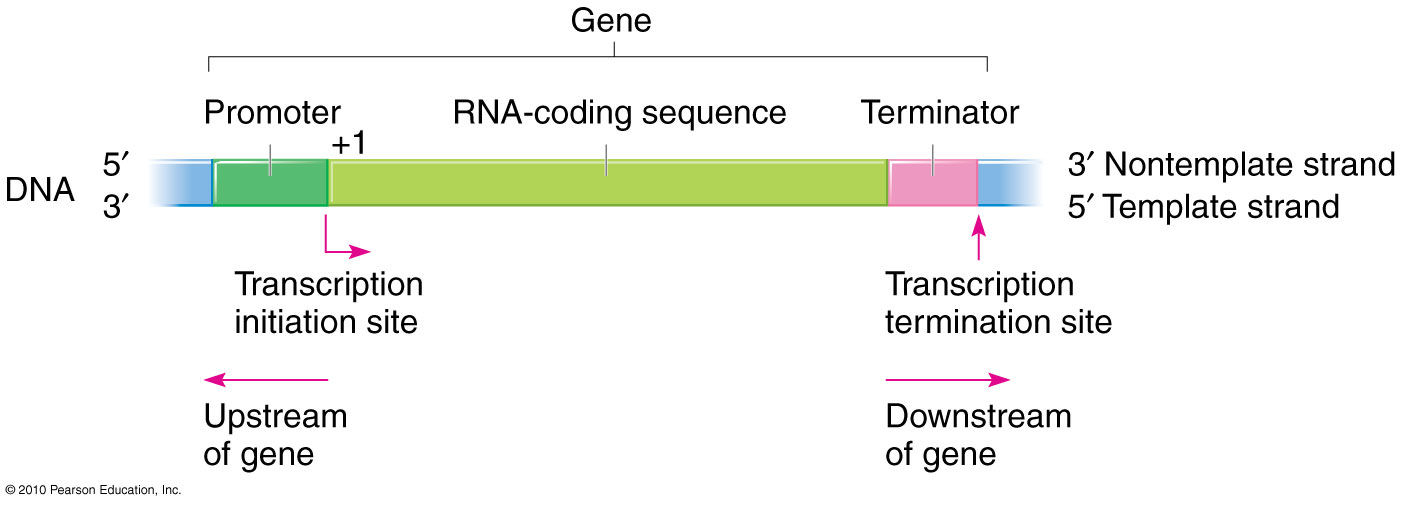
A Sequence Of A Dna Template Strand Is Shown

DNA templates and corresponding RNA oligonucleotides. ( a ) General
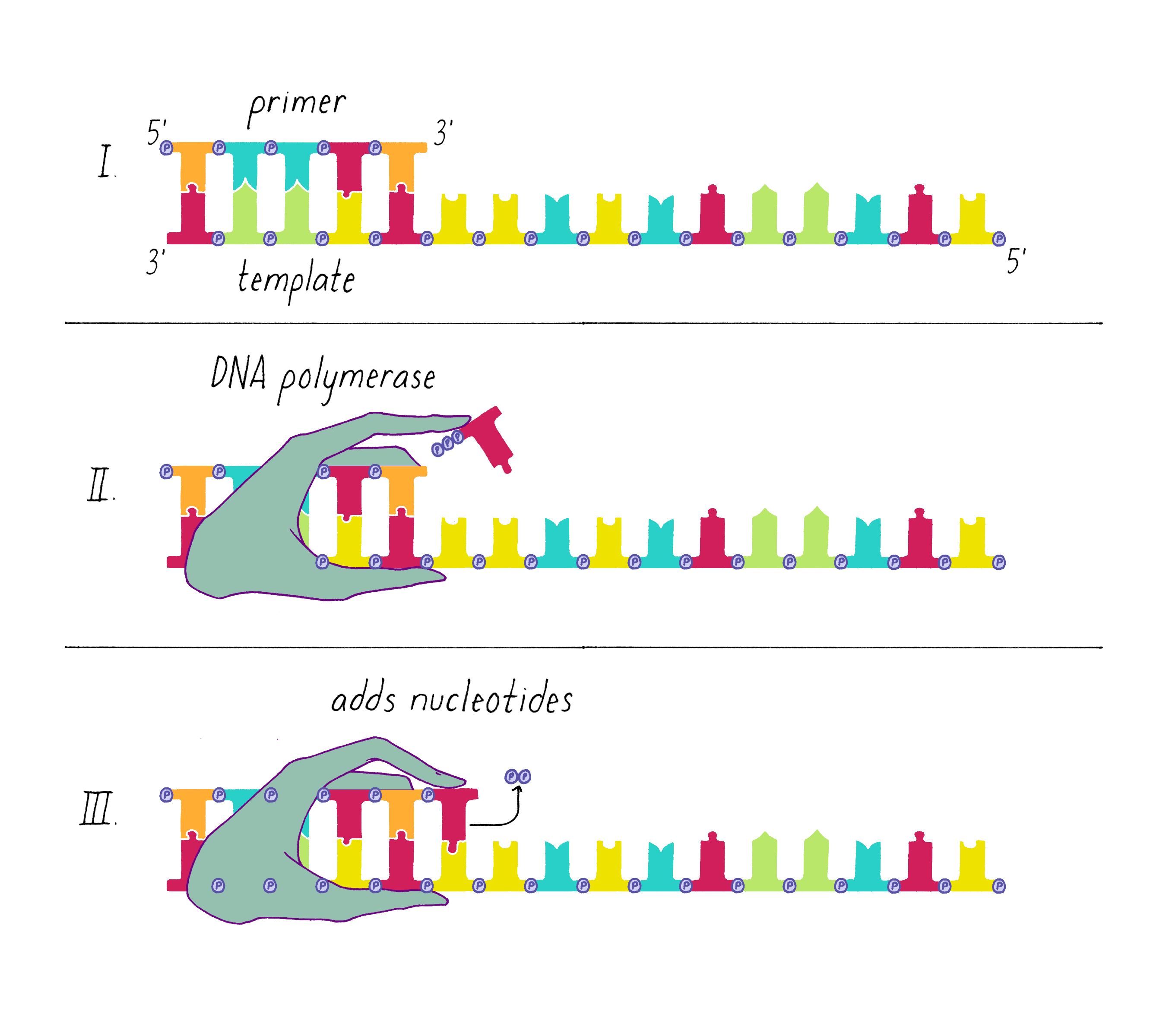
The Structure of DNA by Ron Vale
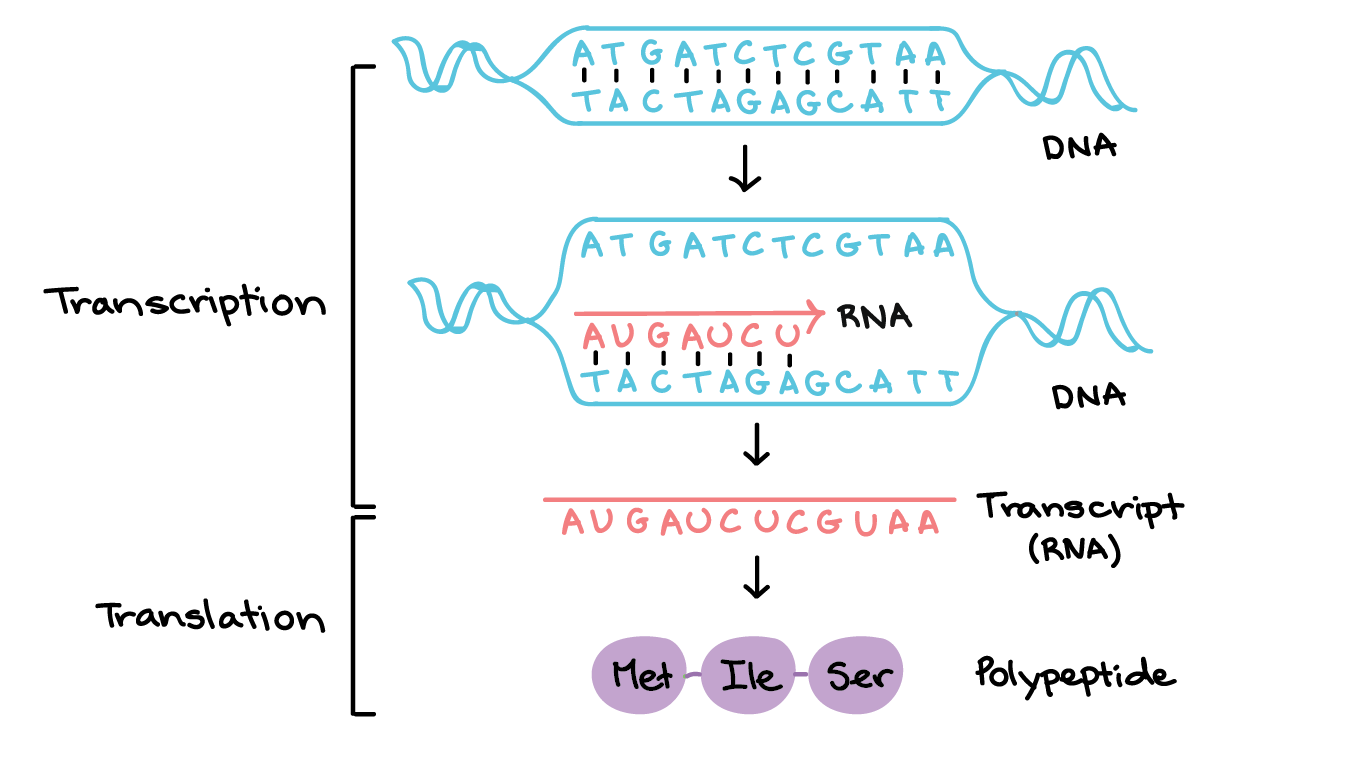
Khan Academy
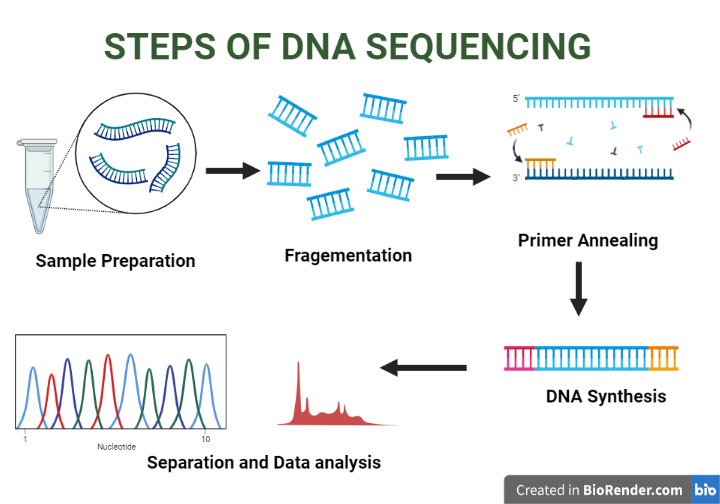
DNA Sequencing Definition, Principle, Types, Steps, Applications

( A ) Nucleotide sequence and structure of DNA templates used in

Dna Template Sequence
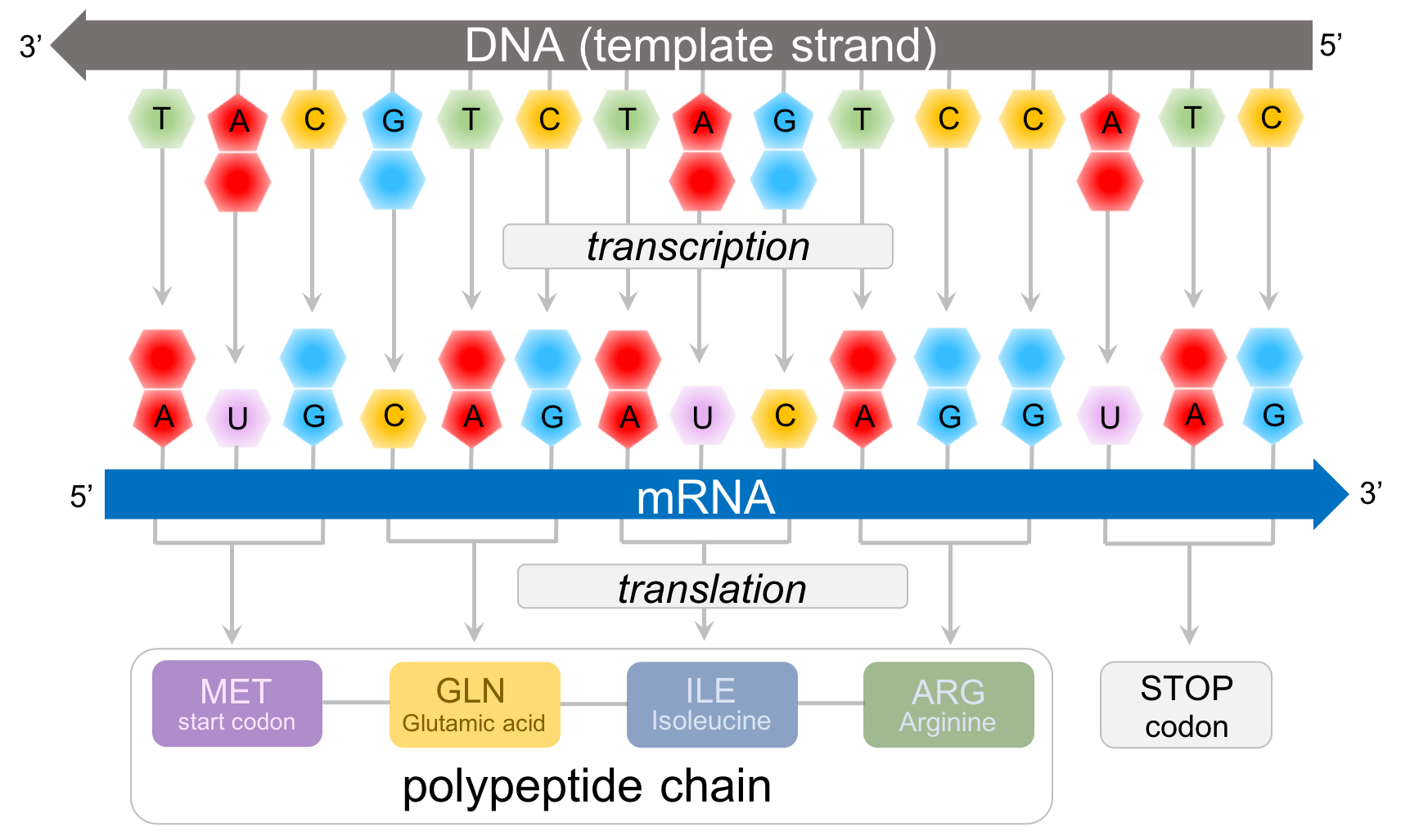
Chapter The Code — The Biology Primer
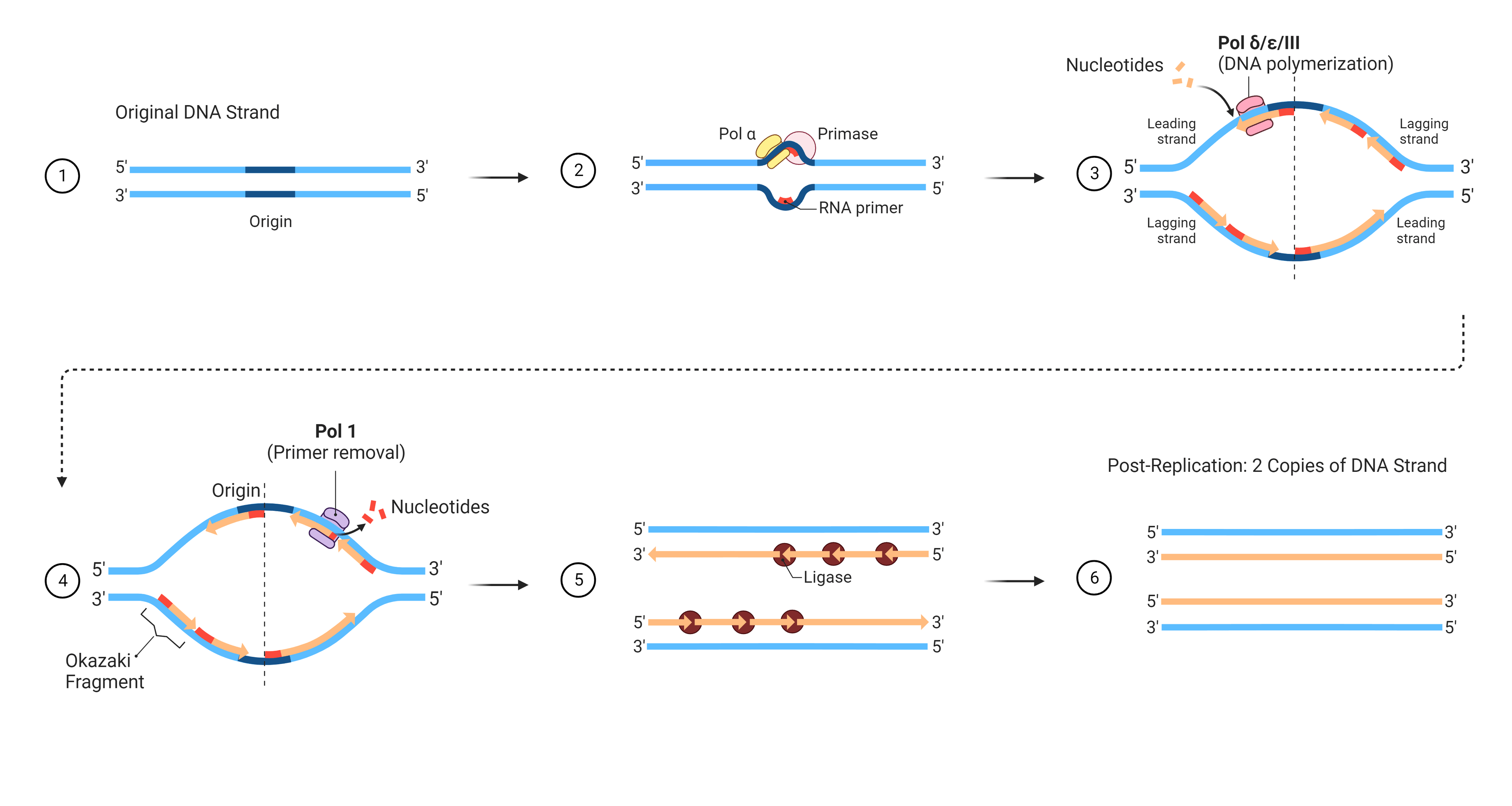
Introduction to DNA Template Design AAT Bioquest
Dna Sequencing Powerpoint Templates

Base Sequence Of Dna Protein Synthesis Biology AQA A Level
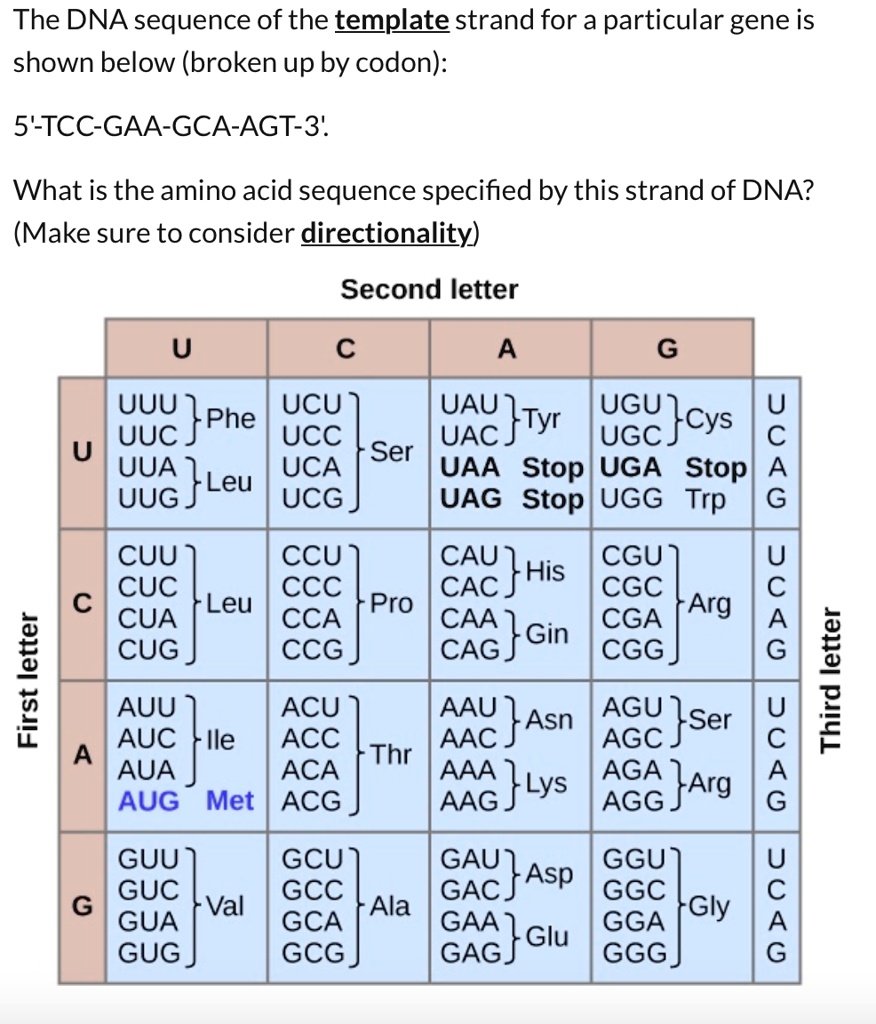
the dna sequence of the template strand for a particular gene is shown

How Does The Dna Sequence Determine The Rna Sequence at Elisa Strand blog

Decoding the Code From DNA to Protein Synthesis Anatomy Note

Coding Strand of DNA bartleby
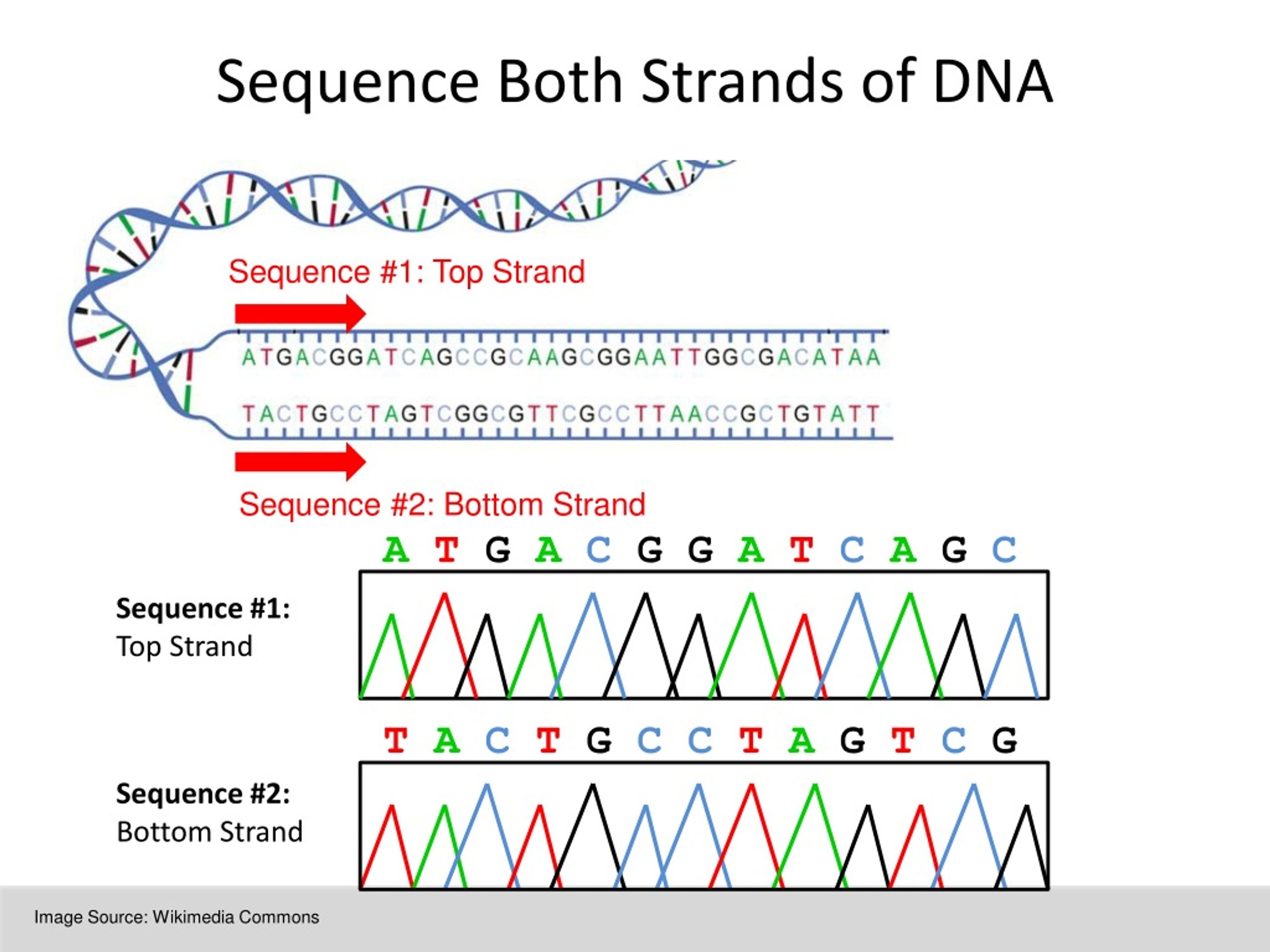
PPT DNA Sequences and Barcoding for Research PowerPoint
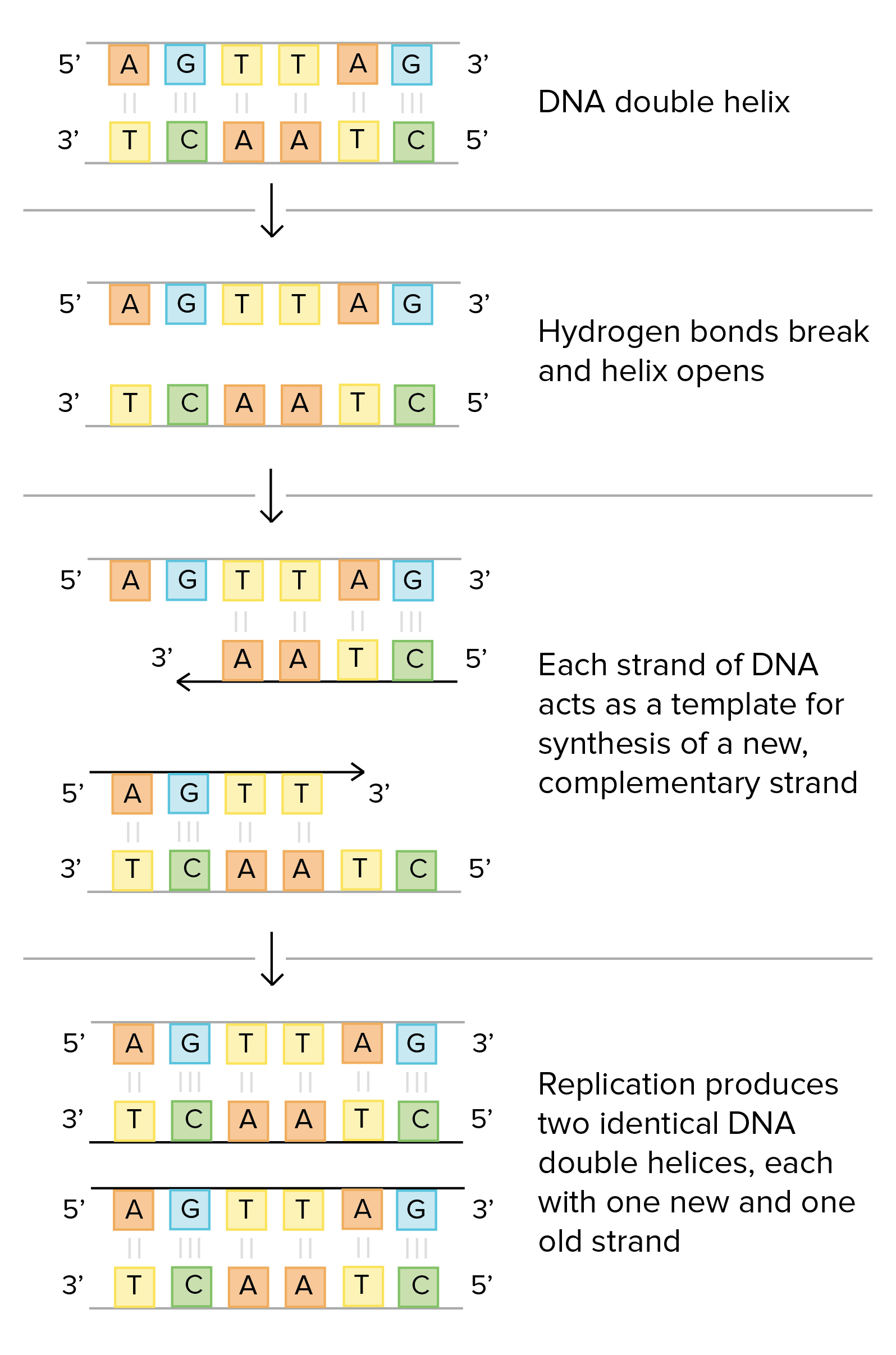
Khan Academy

Answered DNACoding Strand DNATemplate Strand… bartleby

Dna Template Sequence

Sequence of the DNA templates used in primer extension and

An Insight into the Process of DNA Transcription A Diagrammatic

Nucleotide sequence and structure of DNA templates used in the

the transcription of the RNA sequence using the DNA
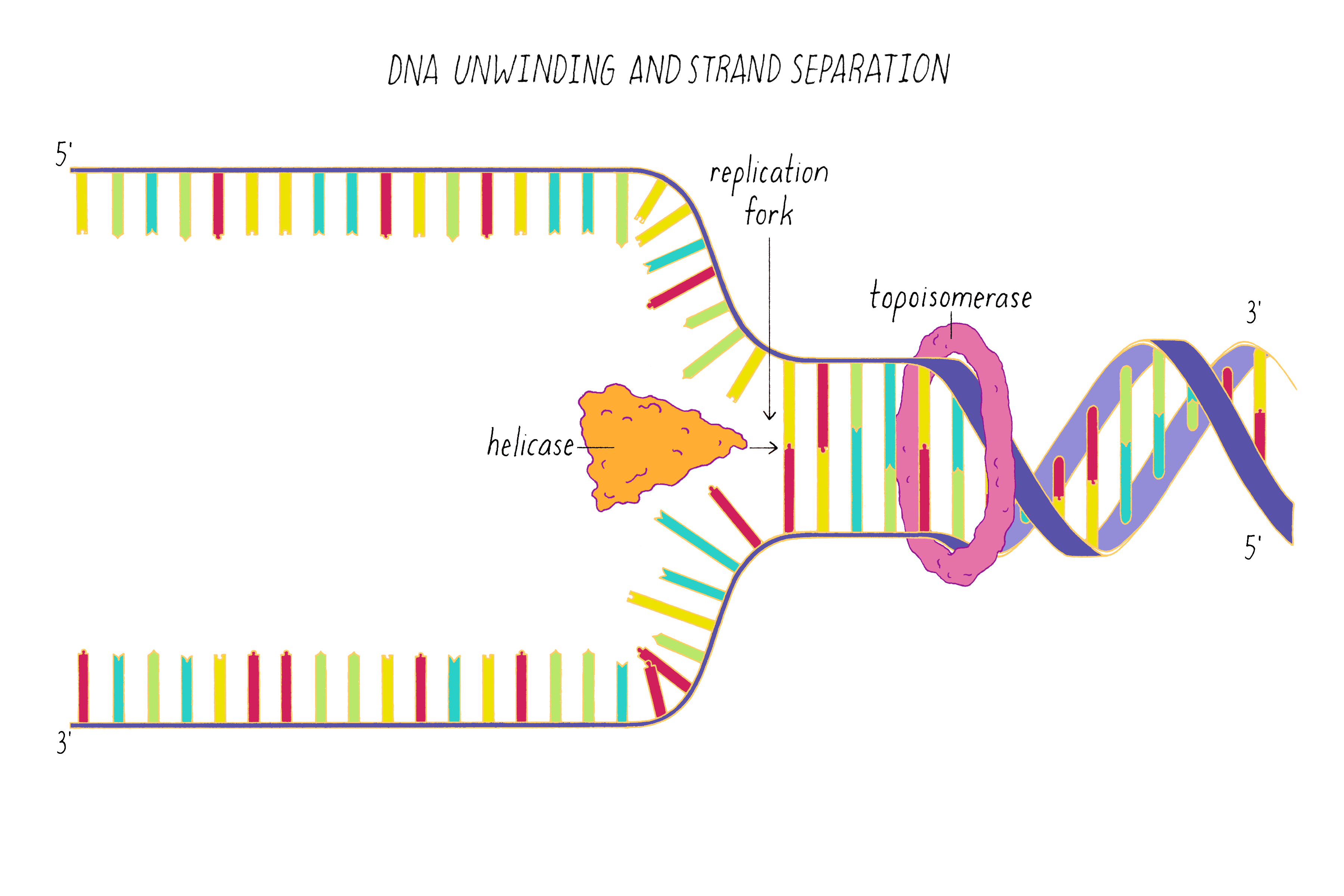
Dna Serves As A Template For The Synthesis Of

2. Three different types of DNA templates for in vitro transcription
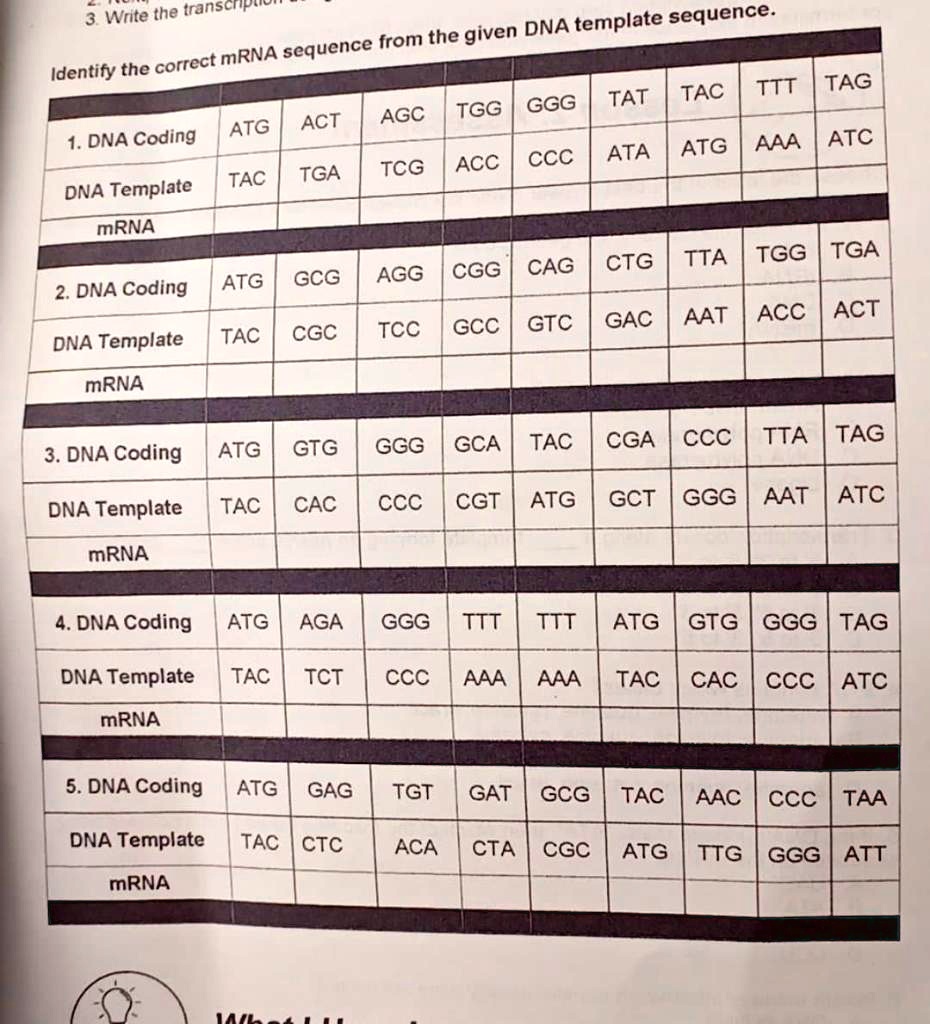
3. Write the transcrip Identify the correct mRNA sequence from the
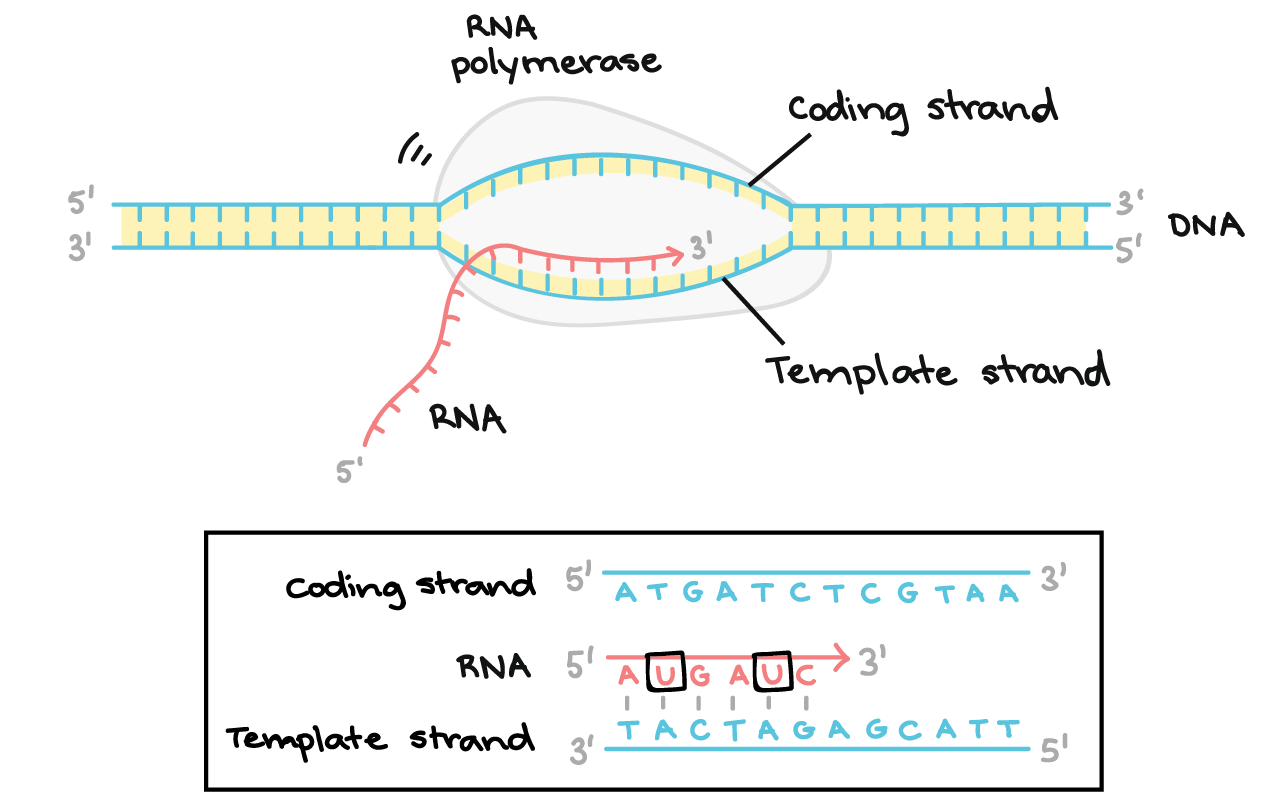
Khan Academy

CRISPR target sequence and the donor DNA templates for the Atlantic
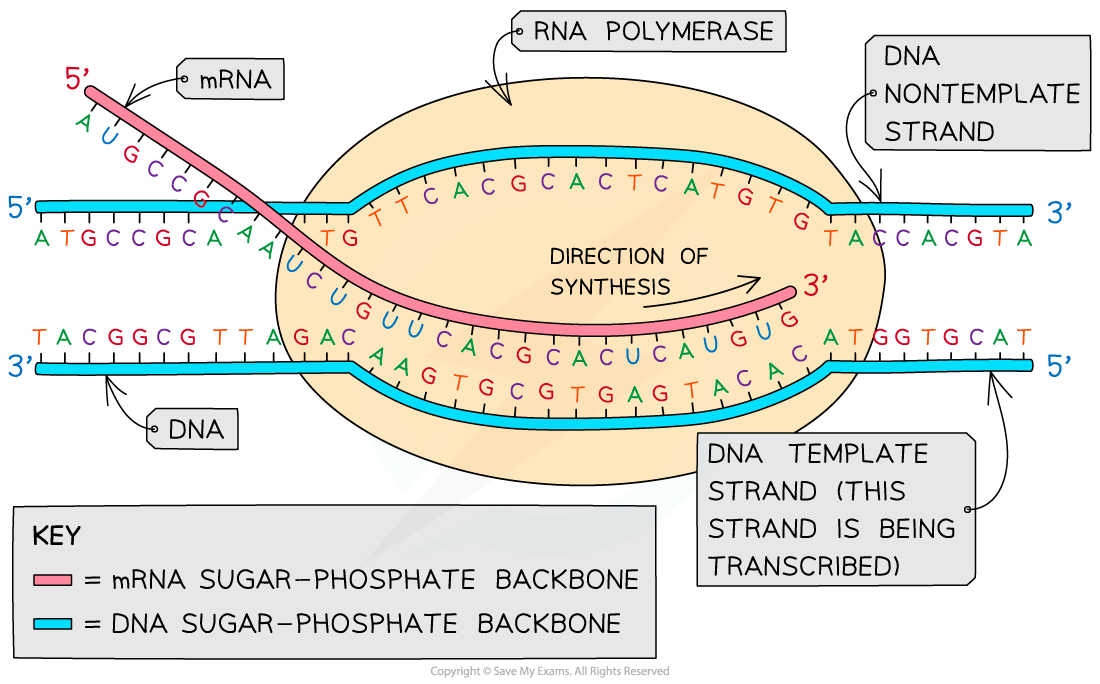
Transcription A Level Biology Revision Notes
Dna sequence map bg. data visualization with chart for medical
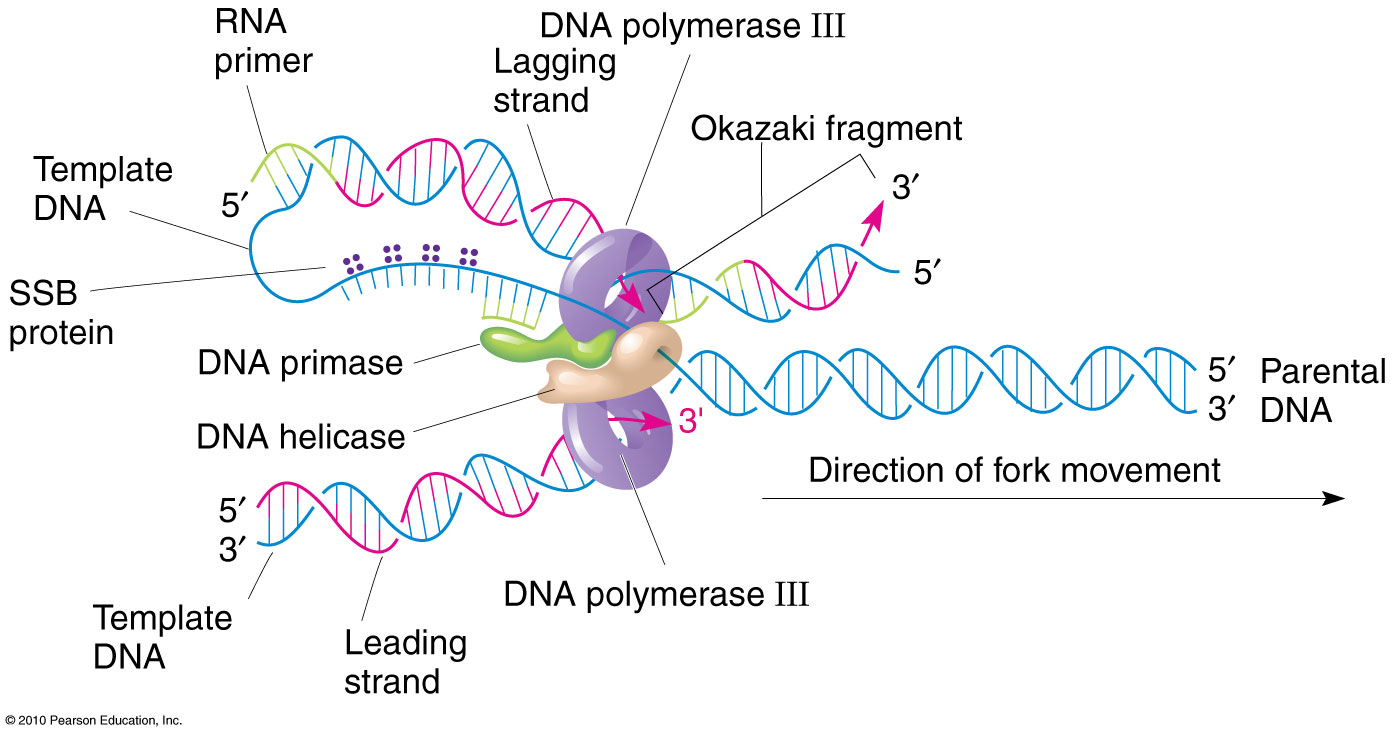
What Is The Template Strand Of Dna
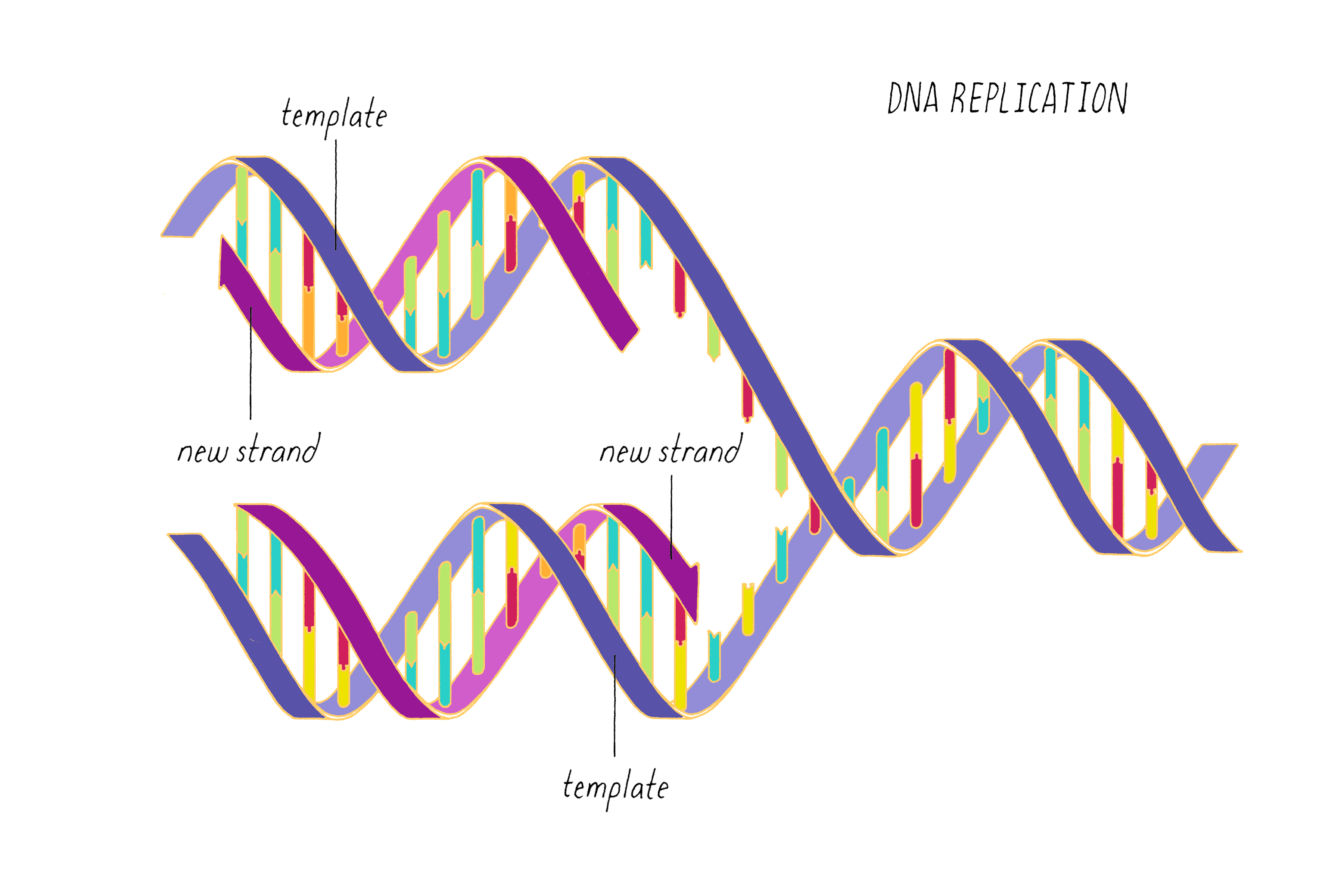
The Structure of DNA by Ron Vale
Dna Is Made Of Two Linked Strands That Wind.
These Acids Are Very Common In All Living Things, Where They Create,.
Dna And Ribonucleic Acid (Rna) Are Nucleic Acids.
They Carry Information In Cells And Make Up Genetic Material.
Related Post: