
Equity Incentive Plan Template
Equity Incentive Plan Template - Equity typically refers to shareholders' equity, which represents the residual value of a company after all of its debts and liabilities have been settled. Freedom from disparities in the way people of different races, genders, etc. Equity refers to fairness or justice in the way people are treated, and especially freedom from bias or favoritism, as in “governed according to the principle of equity.” The quality of being fair or impartial; For example, if your home (an asset) is worth $500,000 and you. To determine a company's equity, just take the sum of their assets and subtract the sum of their liabilities. The equity of an asset can be used to secure additional liabilities. An equity is also one of the equal parts, or shares, into which the value of a company is divided. Equity represents the residual claim on assets after deducting all liabilities. In finance, equity is the market value of the assets owned by shareholders after all debts have been paid off. In plain english, it’s what you truly own once you’ve paid off what you owe. See examples of equity used in a sentence. Common examples include home equity loans and home equity lines of credit. In finance, equity is the market value of the assets owned by shareholders after all debts have been paid off. Equity typically refers to shareholders'. In plain english, it’s what you truly own once you’ve paid off what you owe. See examples of equity used in a sentence. To determine a company's equity, just take the sum of their assets and subtract the sum of their liabilities. In accounting, equity refers to the book value of. The meaning of equity is fairness or justice in. To determine a company's equity, just take the sum of their assets and subtract the sum of their liabilities. Equity represents the residual claim on assets after deducting all liabilities. Freedom from disparities in the way people of different races, genders, etc. These increase the total liabilities attached to the asset. In accounting, equity refers to the book value of. To determine a company's equity, just take the sum of their assets and subtract the sum of their liabilities. In accounting, equity refers to the book value of. The equity of an asset can be used to secure additional liabilities. Equity is ownership, or more specifically, the value of an ownership stake after subtracting for any liabilities (meaning debts). Freedom. Equity is ownership, or more specifically, the value of an ownership stake after subtracting for any liabilities (meaning debts). The primary way a company increases its equity is by selling shares of the. In plain english, it’s what you truly own once you’ve paid off what you owe. In finance, equity is the market value of the assets owned by. In finance, equity is the market value of the assets owned by shareholders after all debts have been paid off. For example, if your home (an asset) is worth $500,000 and you. To determine a company's equity, just take the sum of their assets and subtract the sum of their liabilities. Freedom from disparities in the way people of different. Equity represents the residual claim on assets after deducting all liabilities. The math behind equity is straightforward:. See examples of equity used in a sentence. The equity of an asset can be used to secure additional liabilities. In plain english, it’s what you truly own once you’ve paid off what you owe. Equity refers to fairness or justice in the way people are treated, and especially freedom from bias or favoritism, as in “governed according to the principle of equity.” Equity is ownership, or more specifically, the value of an ownership stake after subtracting for any liabilities (meaning debts). To determine a company's equity, just take the sum of their assets and. Common examples include home equity loans and home equity lines of credit. In accounting, equity refers to the book value of. To determine a company's equity, just take the sum of their assets and subtract the sum of their liabilities. The equity of an asset can be used to secure additional liabilities. The math behind equity is straightforward:. In plain english, it’s what you truly own once you’ve paid off what you owe. In accounting, equity refers to the book value of. Equity refers to fairness or justice in the way people are treated, and especially freedom from bias or favoritism, as in “governed according to the principle of equity.” Equity typically refers to shareholders' equity, which represents. These increase the total liabilities attached to the asset. Equity refers to fairness or justice in the way people are treated, and especially freedom from bias or favoritism, as in “governed according to the principle of equity.” Freedom from disparities in the way people of different races, genders, etc. For example, if your home (an asset) is worth $500,000 and. The quality of being fair or impartial; The equity of an asset can be used to secure additional liabilities. Equity typically refers to shareholders' equity, which represents the residual value of a company after all of its debts and liabilities have been settled. In plain english, it’s what you truly own once you’ve paid off what you owe. Freedom from. In accounting, equity refers to the book value of. An equity is also one of the equal parts, or shares, into which the value of a company is divided. Equity typically refers to shareholders' equity, which represents the residual value of a company after all of its debts and liabilities have been settled. Freedom from disparities in the way people. Freedom from disparities in the way people of different races, genders, etc. An equity is also one of the equal parts, or shares, into which the value of a company is divided. Equity represents the residual claim on assets after deducting all liabilities. In finance, equity is the market value of the assets owned by shareholders after all debts have. The equity of an asset can be used to secure additional liabilities. Equity refers to fairness or justice in the way people are treated, and especially freedom from bias or favoritism, as in “governed according to the principle of equity.” The primary way a company increases its equity is by selling shares of the. Equity is ownership, or more specifically,. In finance, equity is the market value of the assets owned by shareholders after all debts have been paid off. Equity refers to fairness or justice in the way people are treated, and especially freedom from bias or favoritism, as in “governed according to the principle of equity.” See examples of equity used in a sentence. Equity represents the residual. Freedom from disparities in the way people of different races, genders, etc. The meaning of equity is fairness or justice in the way people are treated; The primary way a company increases its equity is by selling shares of the. An equity is also one of the equal parts, or shares, into which the value of a company is divided.. The meaning of equity is fairness or justice in the way people are treated; The quality of being fair or impartial; These increase the total liabilities attached to the asset. For example, if your home (an asset) is worth $500,000 and you. In accounting, equity refers to the book value of. See examples of equity used in a sentence. Freedom from disparities in the way people of different races, genders, etc. In accounting, equity refers to the book value of. The equity of an asset can be used to secure additional liabilities. An equity is also one of the equal parts, or shares, into which the value of a company is. In accounting, equity refers to the book value of. To determine a company's equity, just take the sum of their assets and subtract the sum of their liabilities. An equity is also one of the equal parts, or shares, into which the value of a company is divided. Common examples include home equity loans and home equity lines of credit.. In plain english, it’s what you truly own once you’ve paid off what you owe. Equity typically refers to shareholders' equity, which represents the residual value of a company after all of its debts and liabilities have been settled. Equity is ownership, or more specifically, the value of an ownership stake after subtracting for any liabilities (meaning debts). For example,. Equity is ownership, or more specifically, the value of an ownership stake after subtracting for any liabilities (meaning debts). Equity typically refers to shareholders' equity, which represents the residual value of a company after all of its debts and liabilities have been settled. See examples of equity used in a sentence. The math behind equity is straightforward:. In accounting, equity. The math behind equity is straightforward:. The meaning of equity is fairness or justice in the way people are treated; Equity typically refers to shareholders' equity, which represents the residual value of a company after all of its debts and liabilities have been settled. See examples of equity used in a sentence. Common examples include home equity loans and home. Freedom from disparities in the way people of different races, genders, etc. Equity typically refers to shareholders' equity, which represents the residual value of a company after all of its debts and liabilities have been settled. In finance, equity is the market value of the assets owned by shareholders after all debts have been paid off. The primary way a. These increase the total liabilities attached to the asset. Equity typically refers to shareholders' equity, which represents the residual value of a company after all of its debts and liabilities have been settled. See examples of equity used in a sentence. Common examples include home equity loans and home equity lines of credit. In finance, equity is the market value. To determine a company's equity, just take the sum of their assets and subtract the sum of their liabilities. The primary way a company increases its equity is by selling shares of the. Equity typically refers to shareholders' equity, which represents the residual value of a company after all of its debts and liabilities have been settled. Equity refers to. Equity represents the residual claim on assets after deducting all liabilities. Equity is ownership, or more specifically, the value of an ownership stake after subtracting for any liabilities (meaning debts). Equity refers to fairness or justice in the way people are treated, and especially freedom from bias or favoritism, as in “governed according to the principle of equity.” See examples. Common examples include home equity loans and home equity lines of credit. These increase the total liabilities attached to the asset. The primary way a company increases its equity is by selling shares of the. Freedom from disparities in the way people of different races, genders, etc. The quality of being fair or impartial; In accounting, equity refers to the book value of. The meaning of equity is fairness or justice in the way people are treated; Equity is ownership, or more specifically, the value of an ownership stake after subtracting for any liabilities (meaning debts). See examples of equity used in a sentence. The quality of being fair or impartial; An equity is also one of the equal parts, or shares, into which the value of a company is divided. The math behind equity is straightforward:. Freedom from disparities in the way people of different races, genders, etc. Equity typically refers to shareholders' equity, which represents the residual value of a company after all of its debts and liabilities have. In plain english, it’s what you truly own once you’ve paid off what you owe. To determine a company's equity, just take the sum of their assets and subtract the sum of their liabilities. Equity refers to fairness or justice in the way people are treated, and especially freedom from bias or favoritism, as in “governed according to the principle. Common examples include home equity loans and home equity lines of credit. An equity is also one of the equal parts, or shares, into which the value of a company is divided. To determine a company's equity, just take the sum of their assets and subtract the sum of their liabilities. Equity typically refers to shareholders' equity, which represents the. An equity is also one of the equal parts, or shares, into which the value of a company is divided. Common examples include home equity loans and home equity lines of credit. In finance, equity is the market value of the assets owned by shareholders after all debts have been paid off. In accounting, equity refers to the book value. The equity of an asset can be used to secure additional liabilities. Equity is ownership, or more specifically, the value of an ownership stake after subtracting for any liabilities (meaning debts). Equity typically refers to shareholders' equity, which represents the residual value of a company after all of its debts and liabilities have been settled. Freedom from disparities in the. These increase the total liabilities attached to the asset. To determine a company's equity, just take the sum of their assets and subtract the sum of their liabilities. An equity is also one of the equal parts, or shares, into which the value of a company is divided. The quality of being fair or impartial; The meaning of equity is. Equity typically refers to shareholders' equity, which represents the residual value of a company after all of its debts and liabilities have been settled. To determine a company's equity, just take the sum of their assets and subtract the sum of their liabilities. In finance, equity is the market value of the assets owned by shareholders after all debts have been paid off. Equity refers to fairness or justice in the way people are treated, and especially freedom from bias or favoritism, as in “governed according to the principle of equity.” The equity of an asset can be used to secure additional liabilities. Equity represents the residual claim on assets after deducting all liabilities. For example, if your home (an asset) is worth $500,000 and you. Freedom from disparities in the way people of different races, genders, etc. These increase the total liabilities attached to the asset. Common examples include home equity loans and home equity lines of credit. In plain english, it’s what you truly own once you’ve paid off what you owe. The quality of being fair or impartial; In accounting, equity refers to the book value of. The primary way a company increases its equity is by selling shares of the. The meaning of equity is fairness or justice in the way people are treated;Equity Incentive Plan Employee Stock Option Stocks

Incentive Plan Template
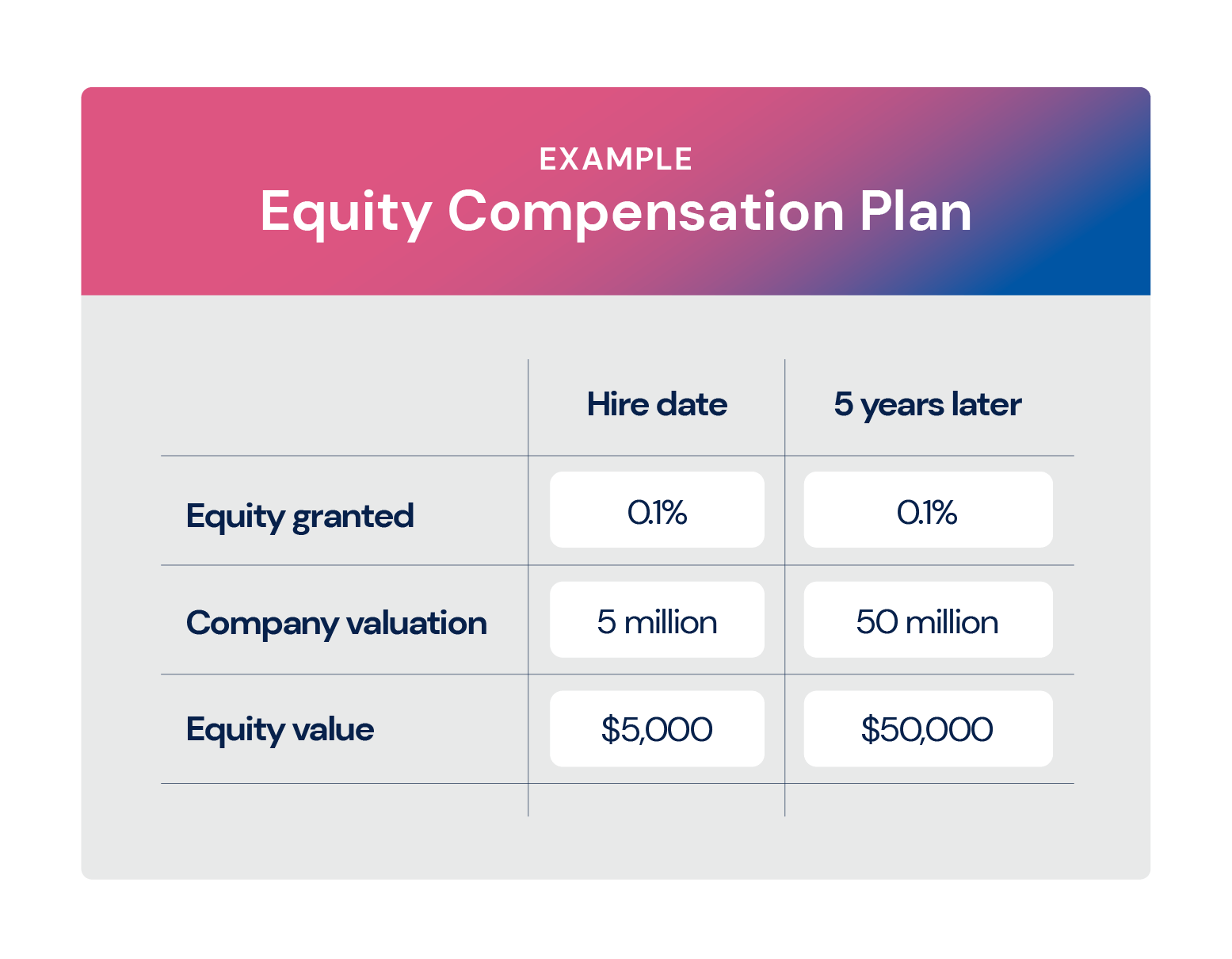
Inspiring Sales Compensation Plans 11 Examples
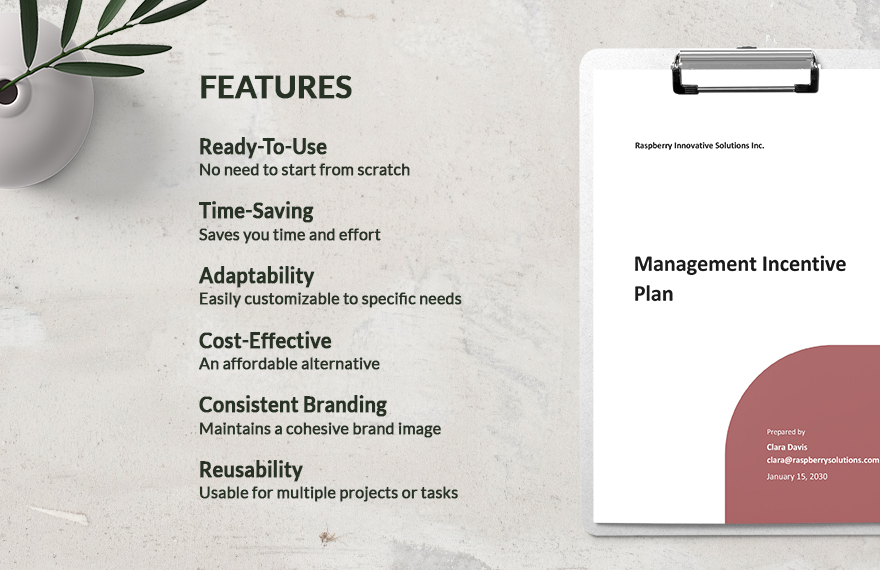
Management Incentive Plan Template in PDF, Word, Google Docs, Pages

Free Legal Equity Incentive Plan Template to Edit Online
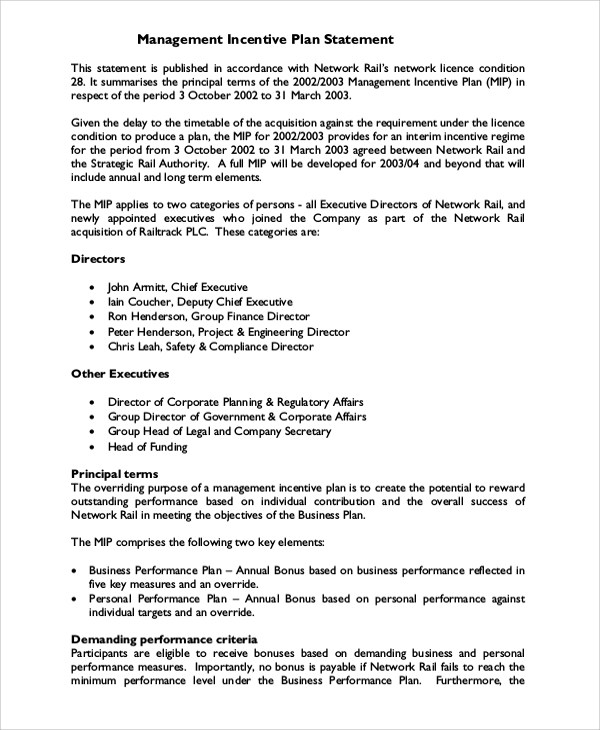
FREE 43+ Sample Plan Templates in MS Word PDF

√ Free Printable Equity Action Plan Template

Stock Incentive Plan Template

Incentive Stock Option Plan Template
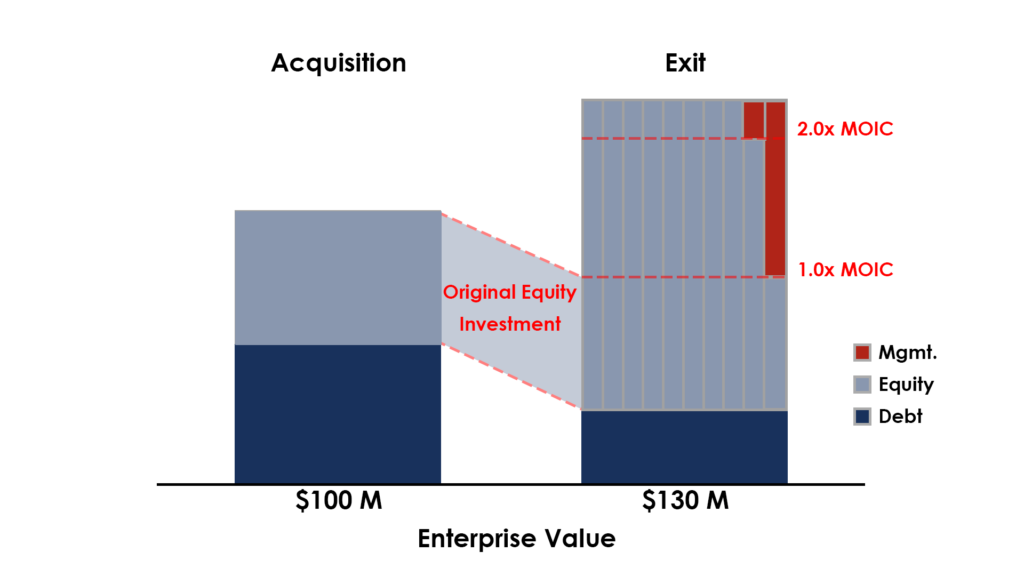
Incentive Equity Compensation A Simple Model

Incentive Stock Option Plan Template
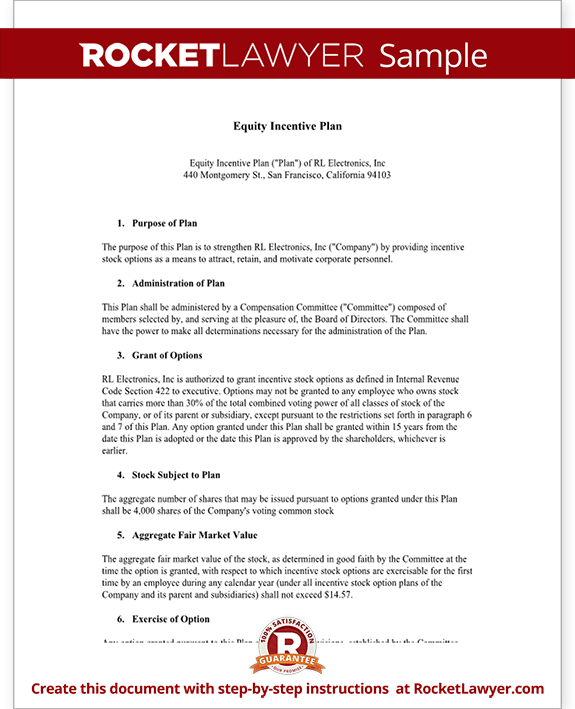
Equity Incentive Plan Template

Equity Incentive Plan Template Free Word Download

Equity Incentive Plan Template
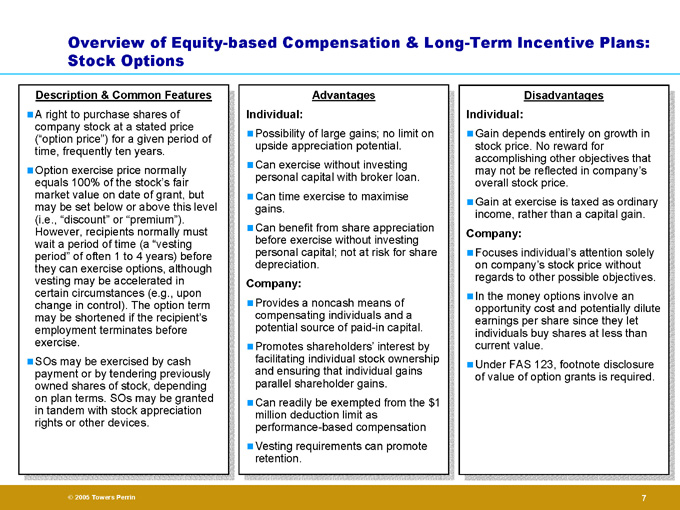
Incentive Stock Option Plan Template
![[airfox_ex10z11001.jpg]](https://www.sec.gov/Archives/edgar/data/1766352/000155335019000219/airfox_ex10z11001.jpg)
[airfox_ex10z11001.jpg]
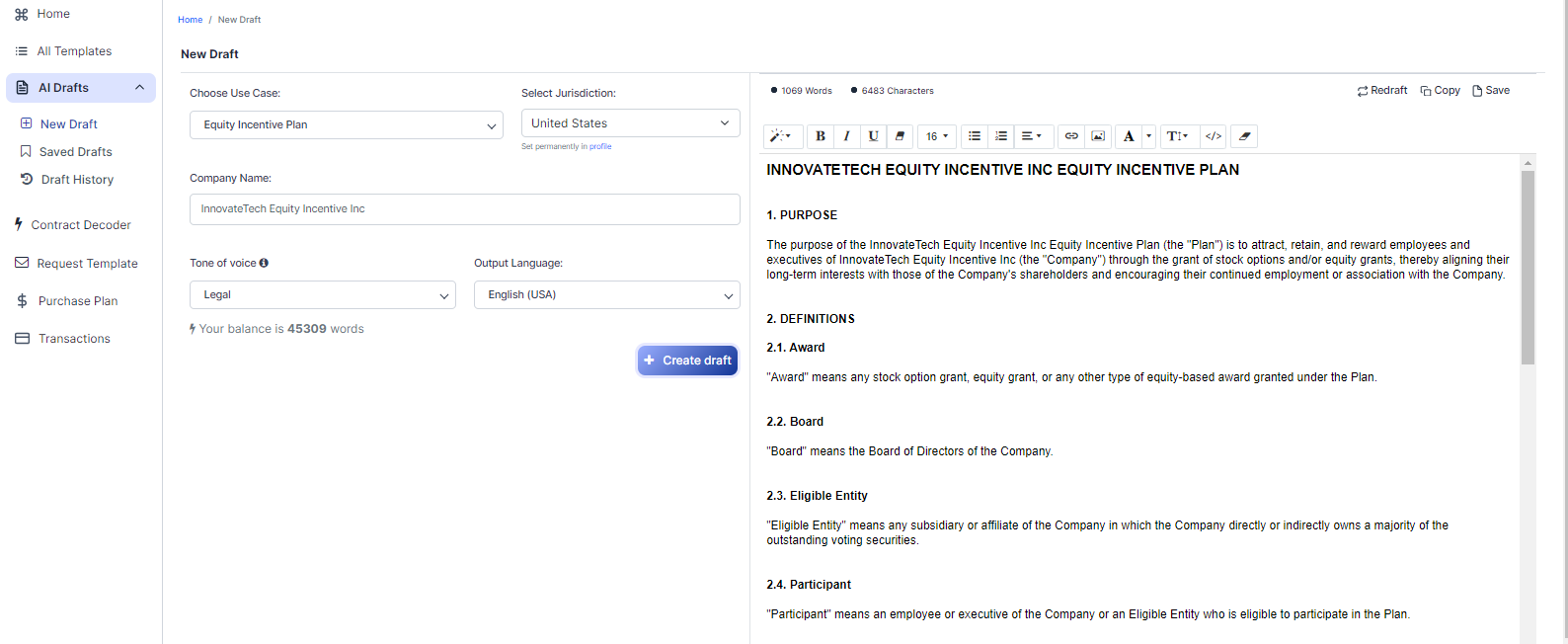
Create Equity Incentive Plan Online Samples, Templates, etc
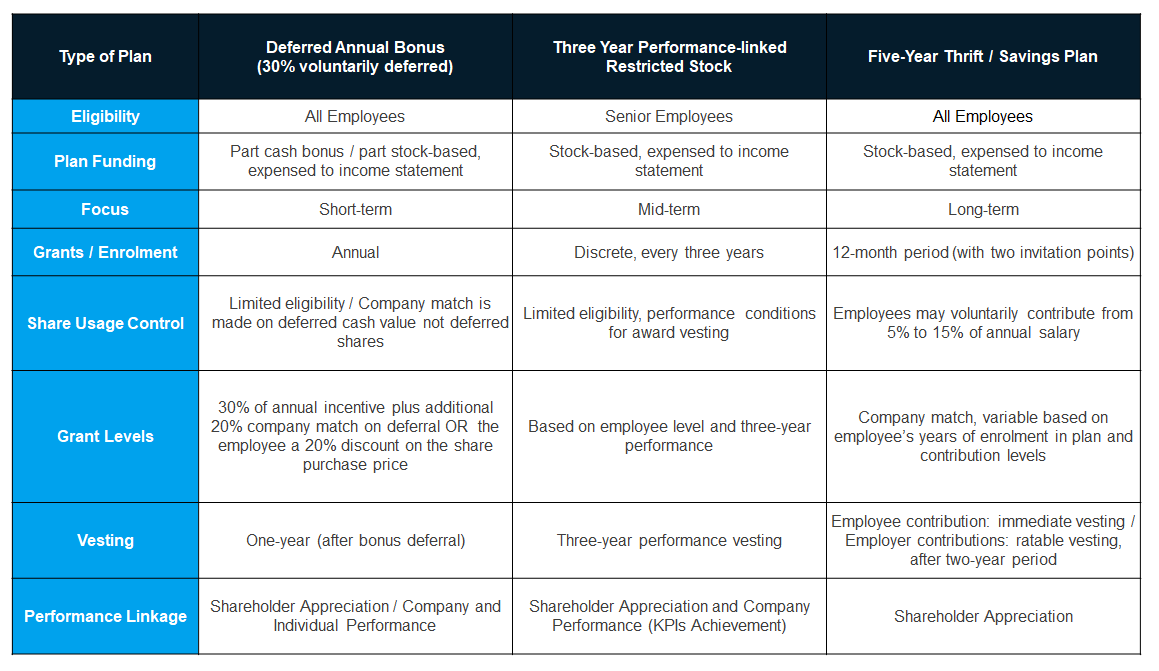
Long Term Incentive Calculator Stock Option Calculator pesync

Equity Compensation Alphabet Soup ISO, NSO, RSA, RSU and more The
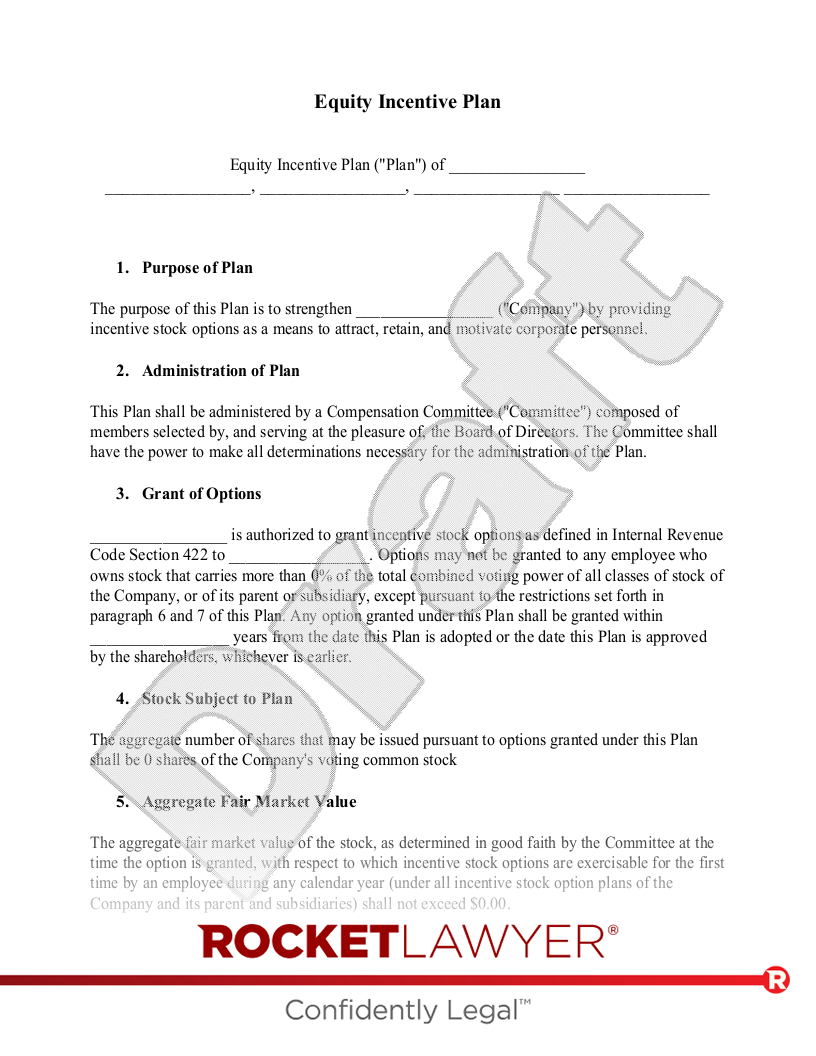
Free Equity Incentive Plan Template & FAQs Rocket Lawyer
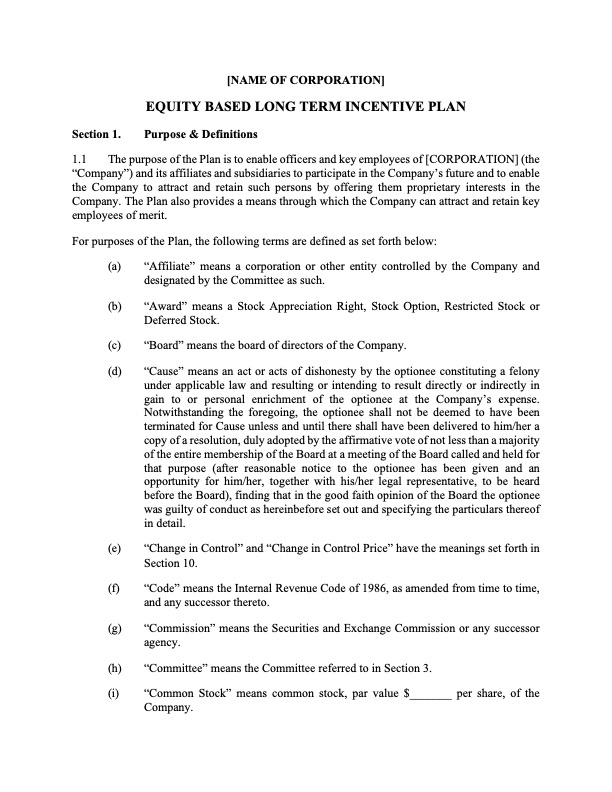
USA Equity Based Long Term Incentive Plan

Equity Plan Template prntbl.concejomunicipaldechinu.gov.co
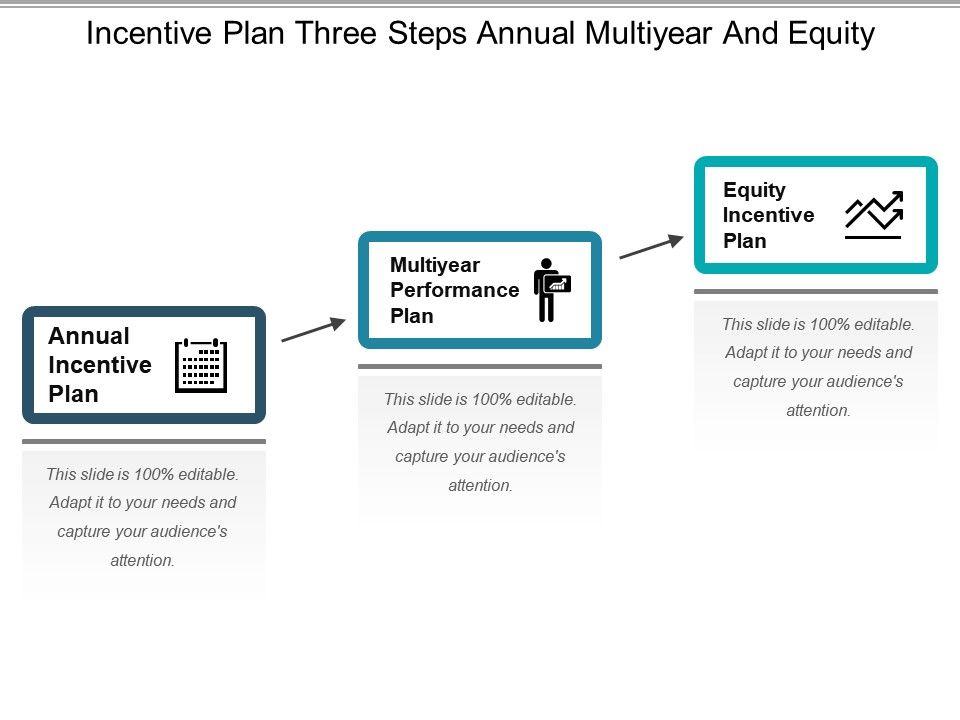
Incentive Plan Three Steps Annual Multiyear And Equity Presentation
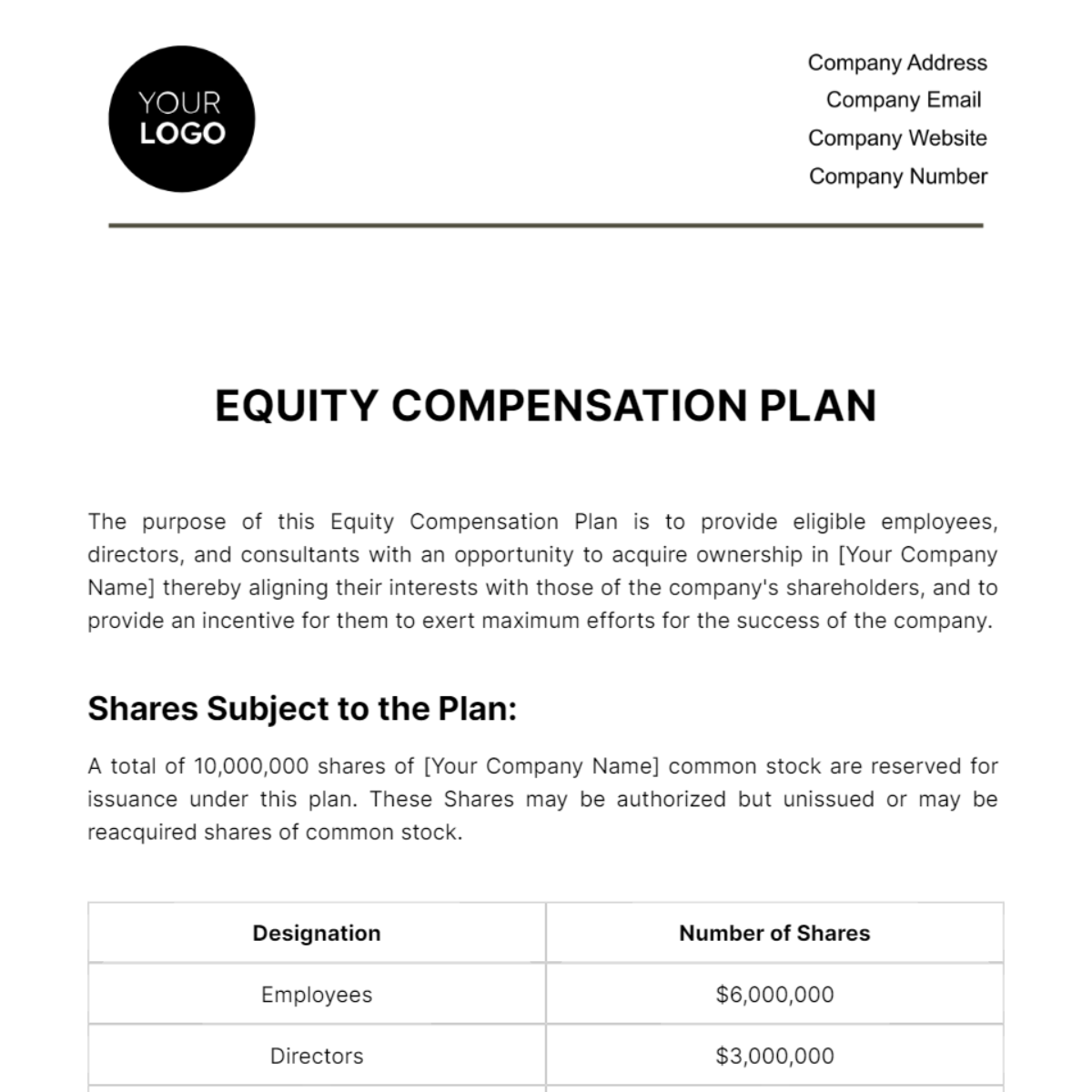
Free HR Plan Templates, Editable and Printable
Equity Incentive Compensation Plans for an LLC Employee Stock Option
Equity Incentive Plan Template
Equity Incentive Plan Startup Template Ppt Powerpoint Presentation File
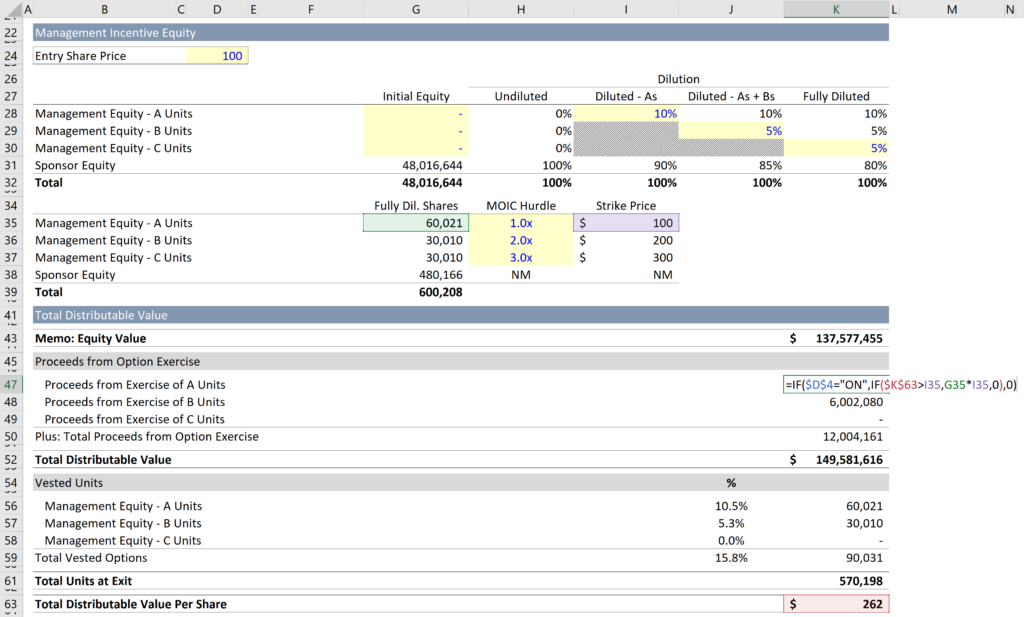
Incentive Equity Compensation A Simple Model
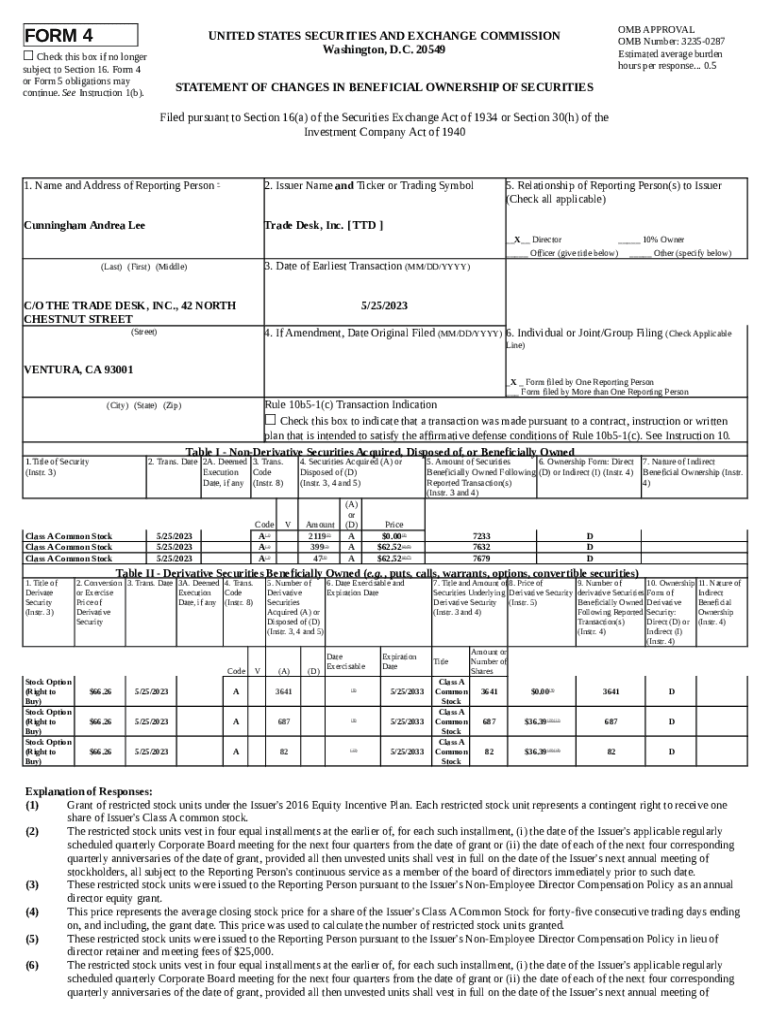
Grant of restricted stock units under the Issuer's 2016 Equity
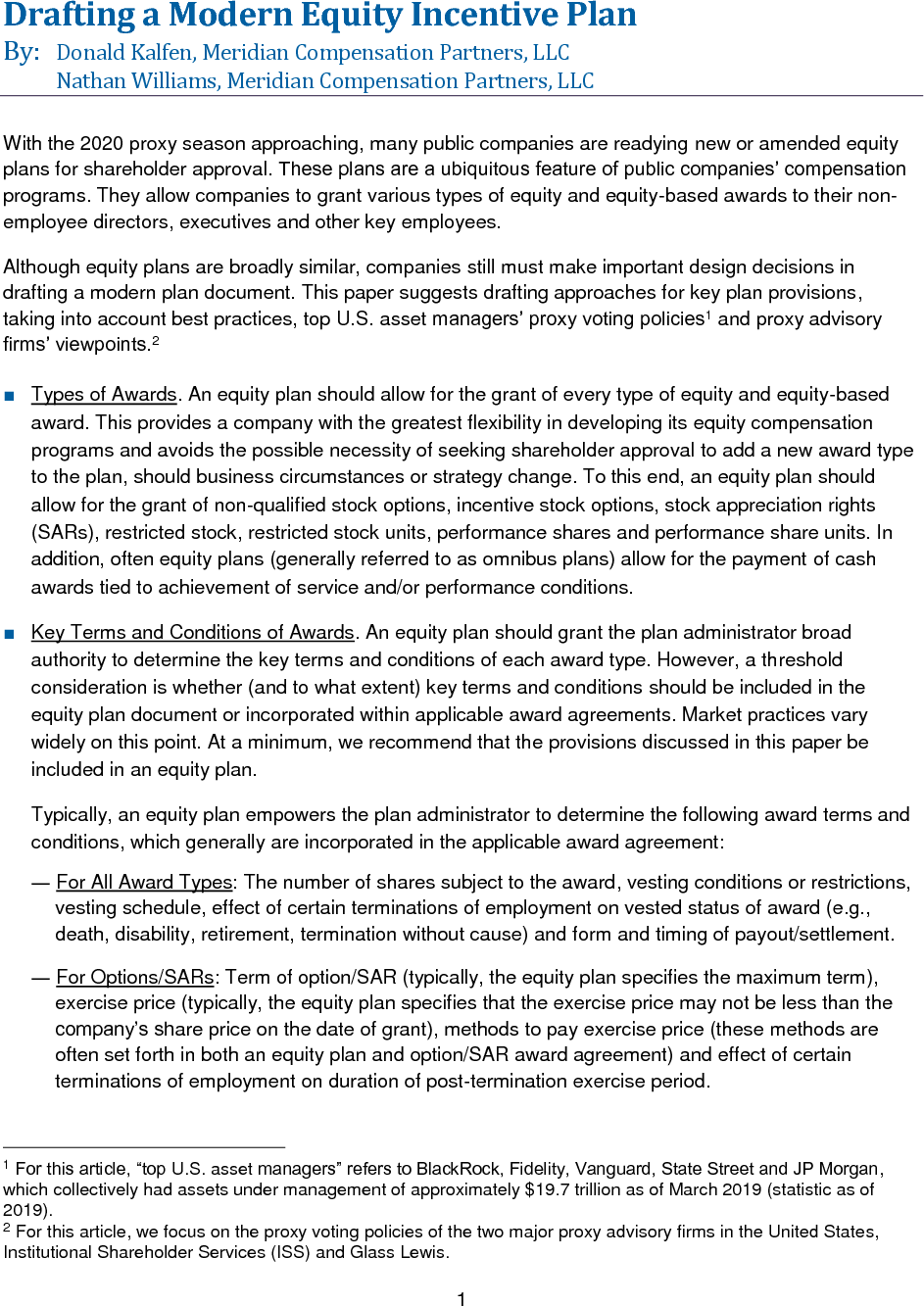
Equity Incentive Plan Template
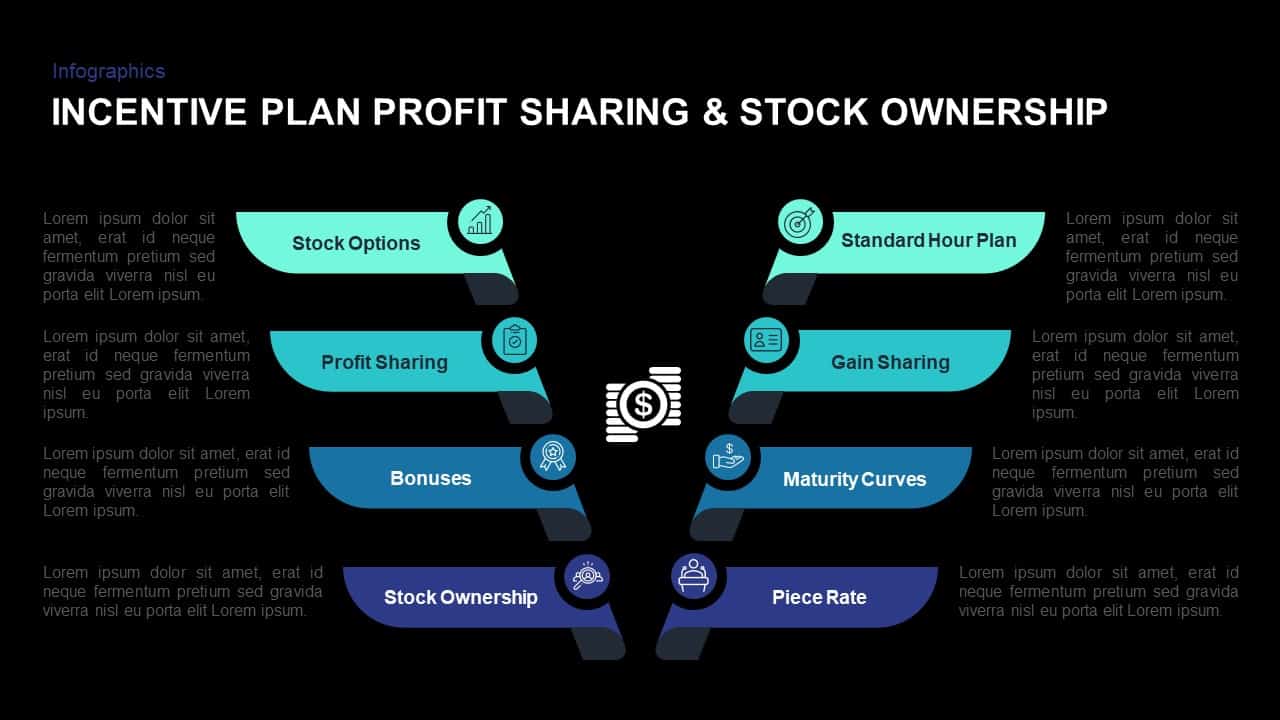
Stock Incentive Plan Template
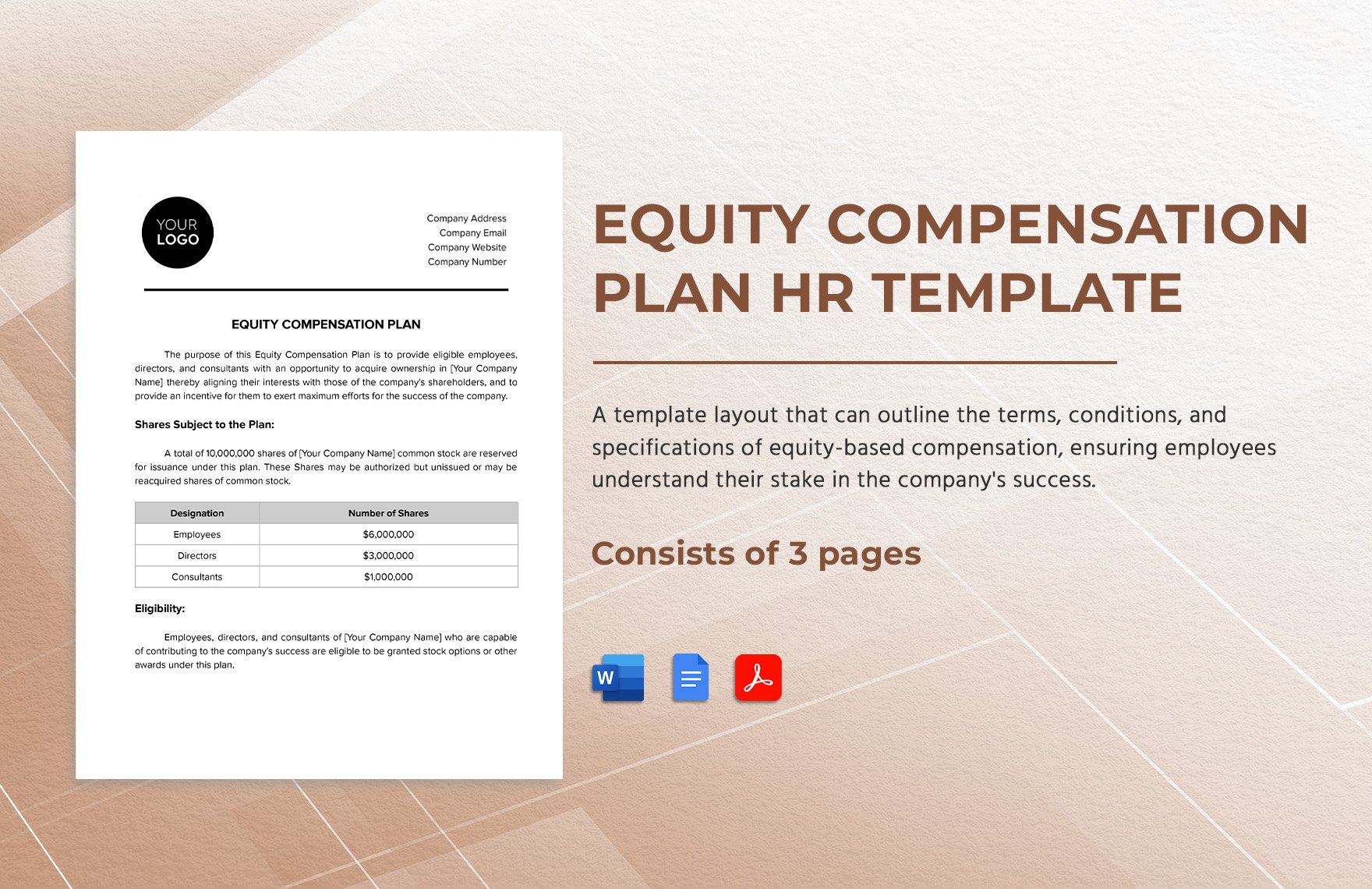
Sample Compensation Plan Template in Pages, Word, Google Docs
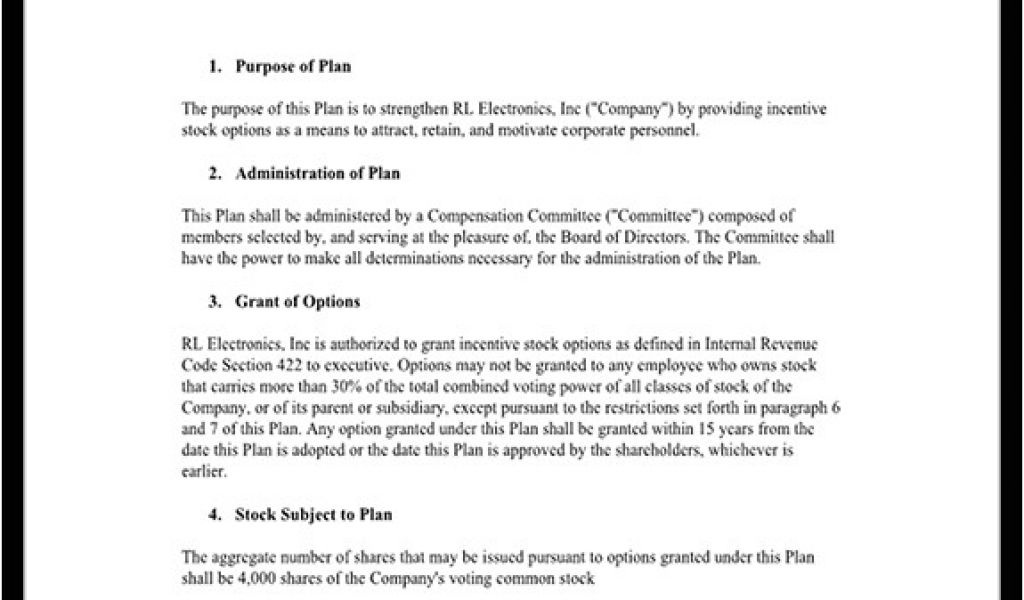
Incentive Proposal Template Equity Incentive Plan for Shares Stocks
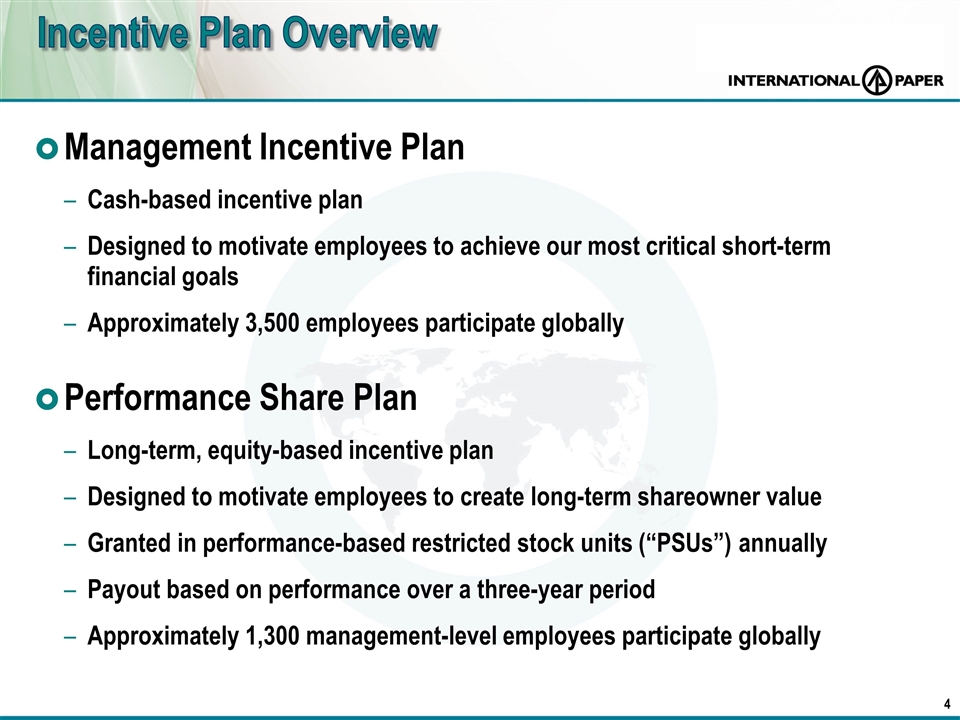
Slide 4
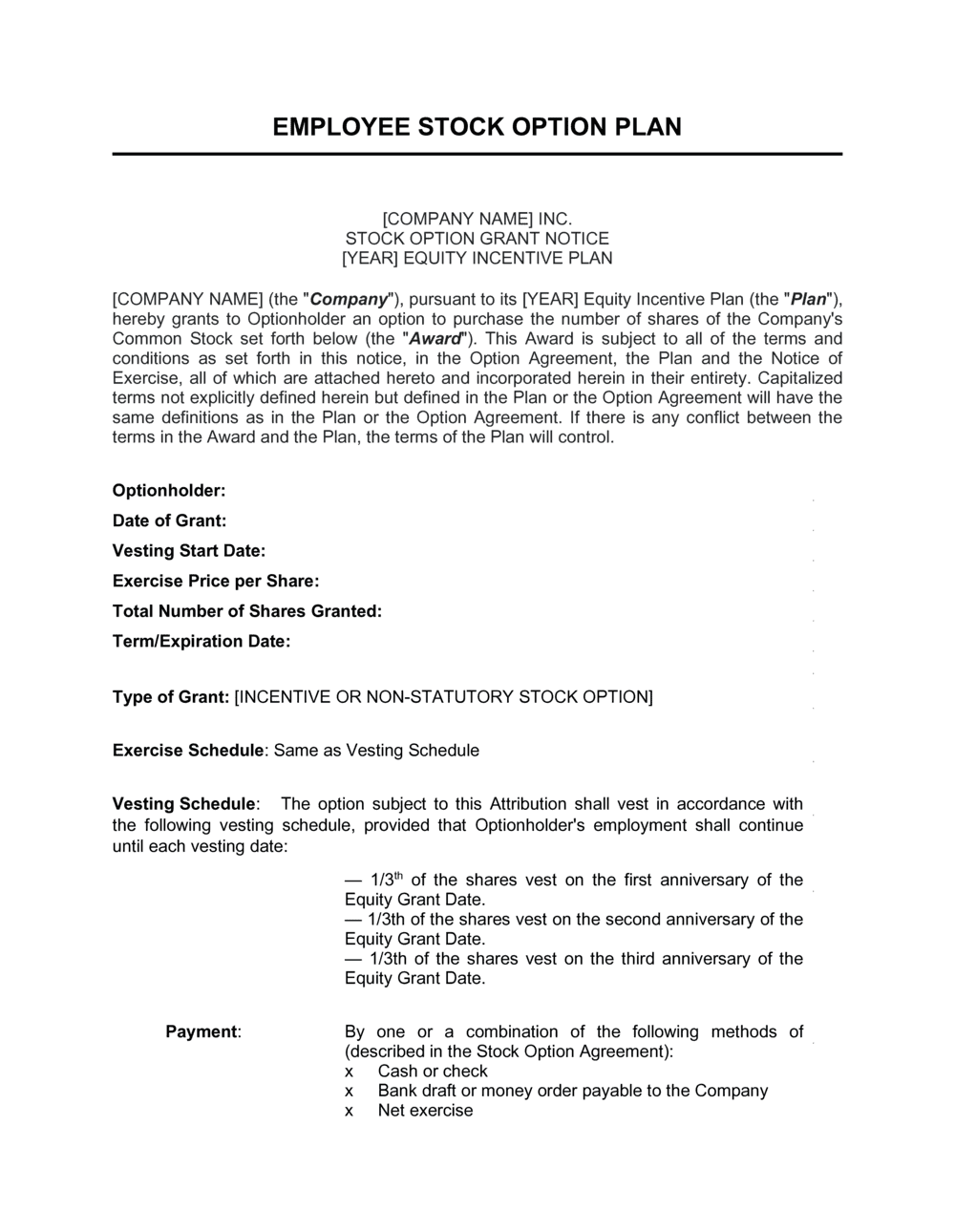
Incentive Stock Option Plan Template
An Equity Is Also One Of The Equal Parts, Or Shares, Into Which The Value Of A Company Is Divided.
The Math Behind Equity Is Straightforward:.
Equity Is Ownership, Or More Specifically, The Value Of An Ownership Stake After Subtracting For Any Liabilities (Meaning Debts).
See Examples Of Equity Used In A Sentence.
Related Post:

