
Not For Profit Marketing Plan Template
Not For Profit Marketing Plan Template - For example, 'did not' is often shortened to 'didn't'. (used to express negation, denial, refusal, or prohibition). Not is often shortened to n't in spoken english, and added to the auxiliary or modal verb. The meaning of not is —used as a function word to make negative a group of words or a word. Not a single missile got through the defense system. (used before a singular count noun) not even one (expressing emphasis about the lack of something):[~ + a/one + noun] he had not a penny to his name. The adverb not is used for negation. You use not, usually in the form n't, in questions which imply that someone should have done something, or to express surprise that something is not the case. See examples of not used in a sentence. Used to form a negative phrase after verbs like be, can, have, will, must, etc…. Used to form a negative phrase after verbs like be, can, have, will, must, etc…. Not a single missile got through the defense system. See examples of not used in a sentence. Used to form a negative phrase after verbs like be, can, have, will, must, etc…. (used before a singular count noun) not even one (expressing emphasis about the. How to use not in a sentence. The meaning of not is —used as a function word to make negative a group of words or a word. Why didn't you do it months ago?. See examples of not used in a sentence. Not a single missile got through the defense system. For example, 'did not' is often shortened to 'didn't'. The adverb not is used for negation. No, i do not like drinking cod liver oil. (used to express negation, denial, refusal, or prohibition). (used before a singular count noun) not even one (expressing emphasis about the lack of something):[~ + a/one + noun] he had not a penny to his. (used before a singular count noun) not even one (expressing emphasis about the lack of something):[~ + a/one + noun] he had not a penny to his name. Used to form a negative phrase after verbs like be, can, have, will, must, etc…. Simple explanations to help you use not correctly. How to use not in a sentence. Do you. Not a single missile got through the defense system. Do you like drinking cod liver oil? Why didn't you do it months ago?. Many english learners confuse these negatives. Used to form a negative phrase after verbs like be, can, have, will, must, etc…. Simple explanations to help you use not correctly. (used to express negation, denial, refusal, or prohibition). Do you like drinking cod liver oil? For example, 'did not' is often shortened to 'didn't'. See examples of not used in a sentence. Simple explanations to help you use not correctly. The meaning of not is —used as a function word to make negative a group of words or a word. For example, 'did not' is often shortened to 'didn't'. Not a single missile got through the defense system. Many english learners confuse these negatives. You use not, usually in the form n't, in questions which imply that someone should have done something, or to express surprise that something is not the case. Used to form a negative phrase after verbs like be, can, have, will, must, etc…. How to use not in a sentence. Why didn't you do it months ago?. The adverb not. (used to express negation, denial, refusal, or prohibition). The meaning of not is —used as a function word to make negative a group of words or a word. (used before a singular count noun) not even one (expressing emphasis about the lack of something):[~ + a/one + noun] he had not a penny to his name. Why didn't you do. The adverb not is used for negation. Do you like drinking cod liver oil? (used before a singular count noun) not even one (expressing emphasis about the lack of something):[~ + a/one + noun] he had not a penny to his name. The meaning of not is —used as a function word to make negative a group of words or. The meaning of not is —used as a function word to make negative a group of words or a word. For example, 'did not' is often shortened to 'didn't'. (used to express negation, denial, refusal, or prohibition). Used to form a negative phrase after verbs like be, can, have, will, must, etc…. The adverb not is used for negation. You use not, usually in the form n't, in questions which imply that someone should have done something, or to express surprise that something is not the case. Not is often shortened to n't in spoken english, and added to the auxiliary or modal verb. Do you like drinking cod liver oil? Why didn't you do it months ago?. Simple. No, i do not like drinking cod liver oil. Do you like drinking cod liver oil? Do you make mistakes with “don’t”, “no”, “not” and “didn’t”? For example, 'did not' is often shortened to 'didn't'. Many english learners confuse these negatives. You use not, usually in the form n't, in questions which imply that someone should have done something, or to express surprise that something is not the case. Simple explanations to help you use not correctly. Used to form a negative phrase after verbs like be, can, have, will, must, etc…. Why didn't you do it months ago?. For example,. Why didn't you do it months ago?. The adverb not is used for negation. Used to form a negative phrase after verbs like be, can, have, will, must, etc…. Do you make mistakes with “don’t”, “no”, “not” and “didn’t”? Do you like drinking cod liver oil? Simple explanations to help you use not correctly. You use not, usually in the form n't, in questions which imply that someone should have done something, or to express surprise that something is not the case. Used to form a negative phrase after verbs like be, can, have, will, must, etc…. Do you like drinking cod liver oil? Not is. Simple explanations to help you use not correctly. You use not, usually in the form n't, in questions which imply that someone should have done something, or to express surprise that something is not the case. Why didn't you do it months ago?. For example, 'did not' is often shortened to 'didn't'. How to use not in a sentence. Used to form a negative phrase after verbs like be, can, have, will, must, etc…. You use not, usually in the form n't, in questions which imply that someone should have done something, or to express surprise that something is not the case. Many english learners confuse these negatives. (used to express negation, denial, refusal, or prohibition). How to use. Used to form a negative phrase after verbs like be, can, have, will, must, etc…. (used before a singular count noun) not even one (expressing emphasis about the lack of something):[~ + a/one + noun] he had not a penny to his name. Do you make mistakes with “don’t”, “no”, “not” and “didn’t”? Do you like drinking cod liver oil?. The adverb not is used for negation. (used to express negation, denial, refusal, or prohibition). Simple explanations to help you use not correctly. Do you like drinking cod liver oil? (used before a singular count noun) not even one (expressing emphasis about the lack of something):[~ + a/one + noun] he had not a penny to his name. (used to express negation, denial, refusal, or prohibition). Many english learners confuse these negatives. Used to form a negative phrase after verbs like be, can, have, will, must, etc…. Not a single missile got through the defense system. (used before a singular count noun) not even one (expressing emphasis about the lack of something):[~ + a/one + noun] he had. Used to form a negative phrase after verbs like be, can, have, will, must, etc…. Not a single missile got through the defense system. See examples of not used in a sentence. (used to express negation, denial, refusal, or prohibition). Why didn't you do it months ago?. The adverb not is used for negation. Do you like drinking cod liver oil? Do you make mistakes with “don’t”, “no”, “not” and “didn’t”? (used before a singular count noun) not even one (expressing emphasis about the lack of something):[~ + a/one + noun] he had not a penny to his name. See examples of not used in a sentence. For example, 'did not' is often shortened to 'didn't'. Do you like drinking cod liver oil? No, i do not like drinking cod liver oil. Used to form a negative phrase after verbs like be, can, have, will, must, etc…. Not a single missile got through the defense system. Many english learners confuse these negatives. (used before a singular count noun) not even one (expressing emphasis about the lack of something):[~ + a/one + noun] he had not a penny to his name. Why didn't you do it months ago?. Do you make mistakes with “don’t”, “no”, “not” and “didn’t”? The adverb not is used for negation. Not a single missile got through the defense system. Not is often shortened to n't in spoken english, and added to the auxiliary or modal verb. How to use not in a sentence. Many english learners confuse these negatives. See examples of not used in a sentence. Used to form a negative phrase after verbs like be, can, have, will, must, etc…. Do you make mistakes with “don’t”, “no”, “not” and “didn’t”? Used to form a negative phrase after verbs like be, can, have, will, must, etc…. How to use not in a sentence. (used before a singular count noun) not even one (expressing emphasis about the. How to use not in a sentence. Used to form a negative phrase after verbs like be, can, have, will, must, etc…. The meaning of not is —used as a function word to make negative a group of words or a word. Not a single missile got through the defense system. The adverb not is used for negation. (used before a singular count noun) not even one (expressing emphasis about the lack of something):[~ + a/one + noun] he had not a penny to his name. Not a single missile got through the defense system. Many english learners confuse these negatives. The adverb not is used for negation. Not is often shortened to n't in spoken english, and. You use not, usually in the form n't, in questions which imply that someone should have done something, or to express surprise that something is not the case. See examples of not used in a sentence. Used to form a negative phrase after verbs like be, can, have, will, must, etc…. No, i do not like drinking cod liver oil.. (used before a singular count noun) not even one (expressing emphasis about the lack of something):[~ + a/one + noun] he had not a penny to his name. Used to form a negative phrase after verbs like be, can, have, will, must, etc…. Simple explanations to help you use not correctly. Not a single missile got through the defense system.. Not is often shortened to n't in spoken english, and added to the auxiliary or modal verb. Used to form a negative phrase after verbs like be, can, have, will, must, etc…. Many english learners confuse these negatives. The adverb not is used for negation. (used to express negation, denial, refusal, or prohibition). Used to form a negative phrase after verbs like be, can, have, will, must, etc…. Not is often shortened to n't in spoken english, and added to the auxiliary or modal verb. Do you like drinking cod liver oil? Do you make mistakes with “don’t”, “no”, “not” and “didn’t”? (used to express negation, denial, refusal, or prohibition). (used to express negation, denial, refusal, or prohibition). Simple explanations to help you use not correctly. You use not, usually in the form n't, in questions which imply that someone should have done something, or to express surprise that something is not the case. Why didn't you do it months ago?. The adverb not is used for negation. How to use not in a sentence. Used to form a negative phrase after verbs like be, can, have, will, must, etc…. Why didn't you do it months ago?. For example, 'did not' is often shortened to 'didn't'. Do you like drinking cod liver oil? Simple explanations to help you use not correctly. Not a single missile got through the defense system. You use not, usually in the form n't, in questions which imply that someone should have done something, or to express surprise that something is not the case. Do you like drinking cod liver oil? The meaning of not is —used as a function word to make negative a group of words or a word. How to use not in a sentence. Not is often shortened to n't in spoken english, and added to the auxiliary or modal verb. Used to form a negative phrase after verbs like be, can, have, will, must, etc…. For example, 'did not' is often shortened to 'didn't'. Many english learners confuse these negatives. Do you make mistakes with “don’t”, “no”, “not” and “didn’t”? The adverb not is used for negation. (used to express negation, denial, refusal, or prohibition). See examples of not used in a sentence.
Nonprofit Marketing Plan Template for Google Slides and PowerPoint
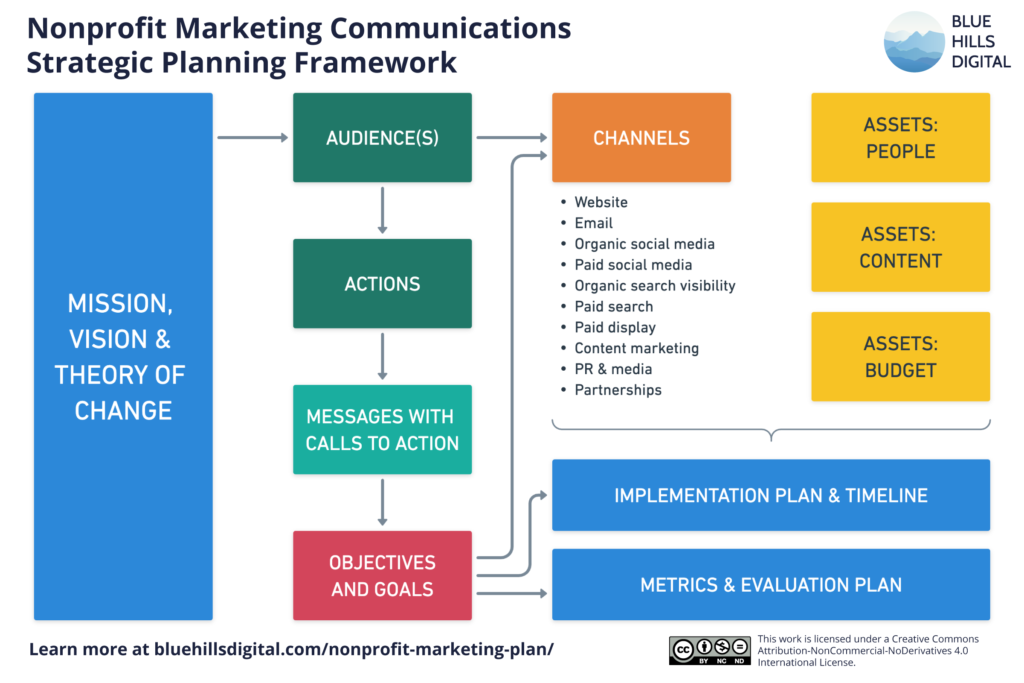
How to Create a Nonprofit Marketing Plan 9Step Framework and Template

MustHave Nonprofit Program Templates with Examples and Samples
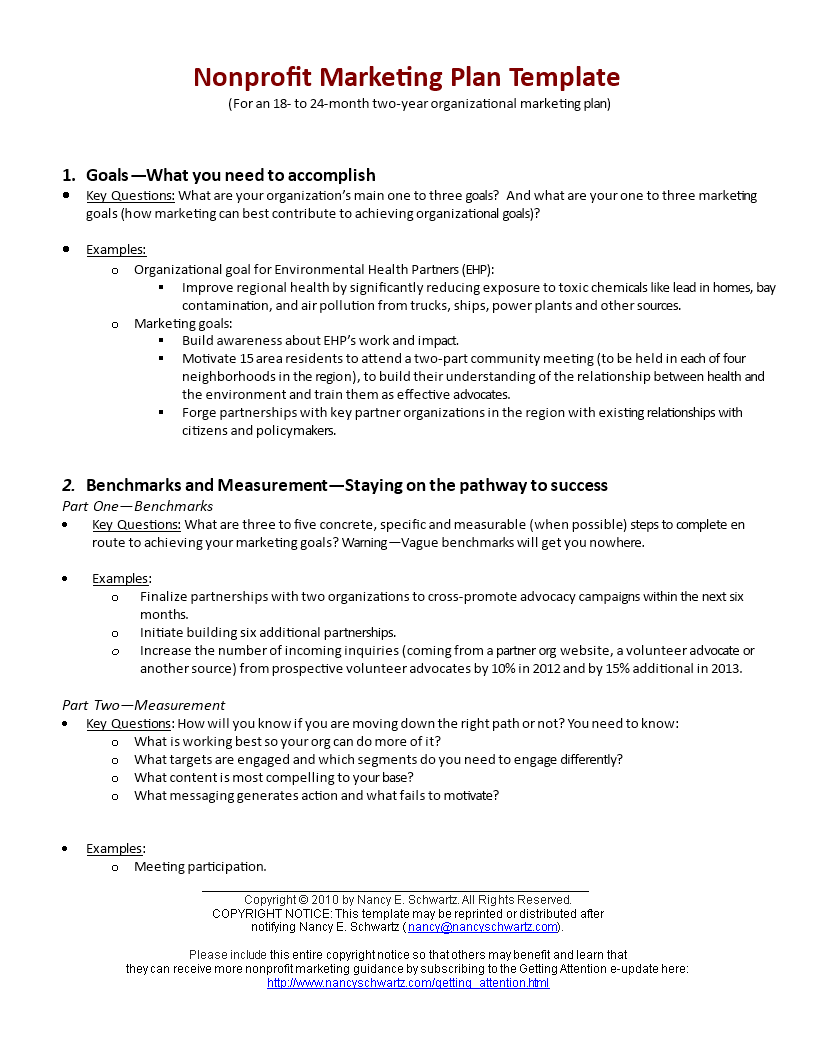
Non Profit Marketing Plan Template Download In Word
Free Non Profit Strategic Plan Template to Edit Online
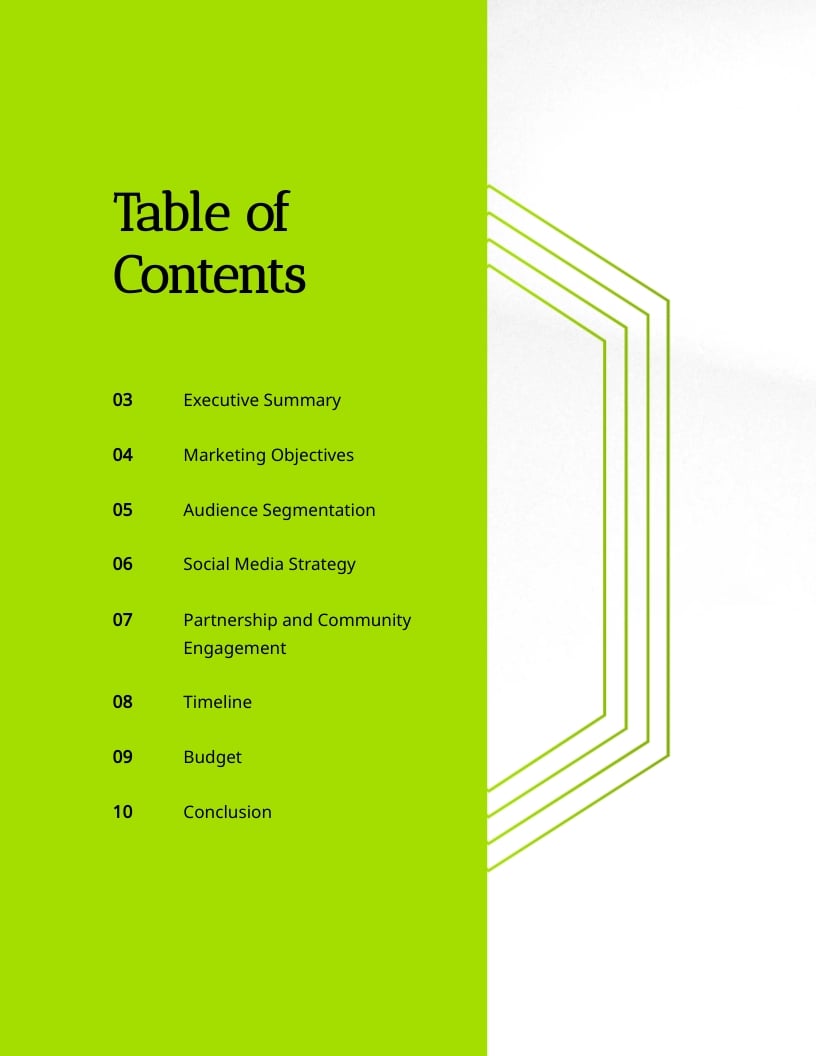
Non Profit Event Marketing Plan Template Visme
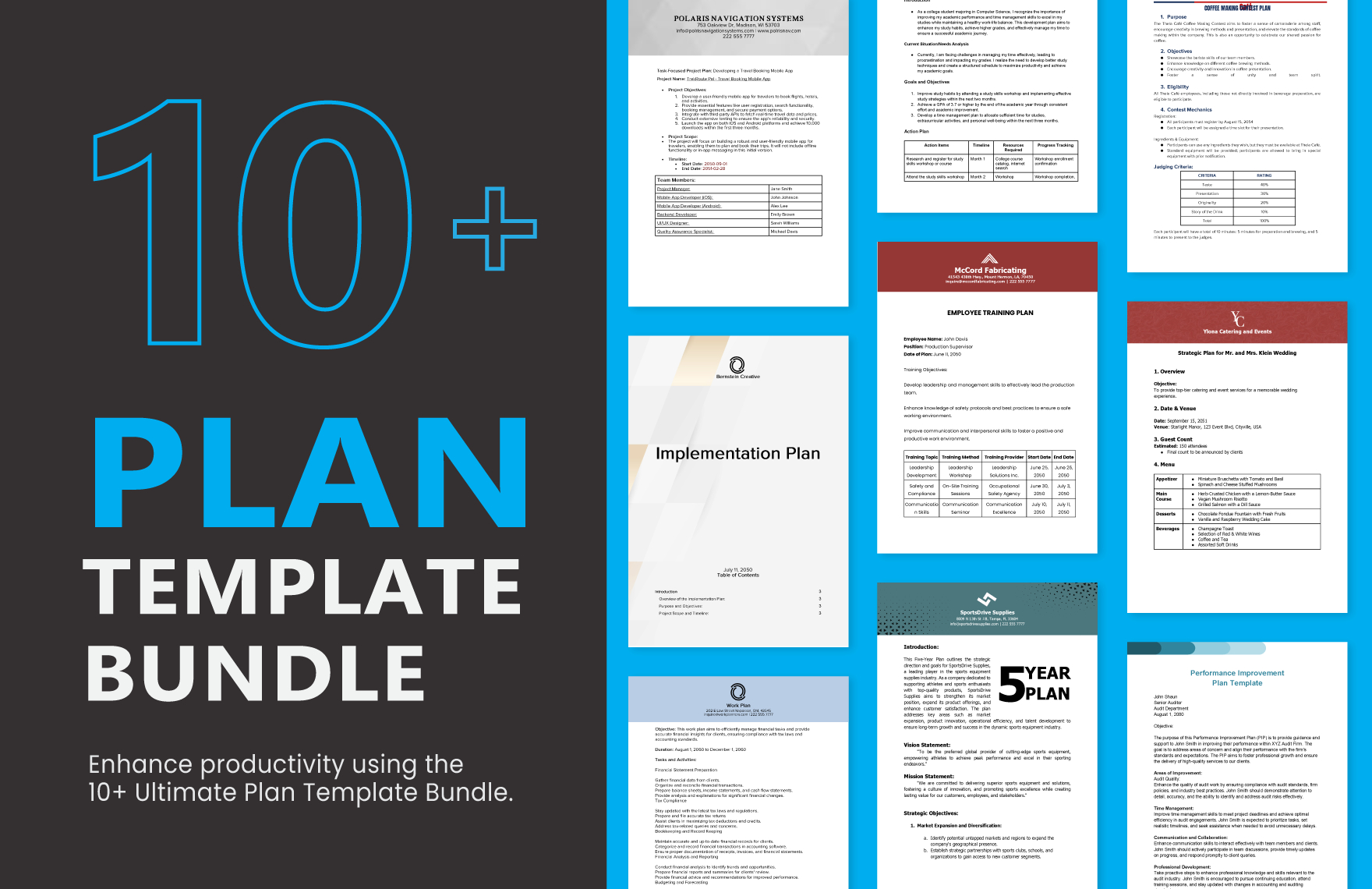
FREE 23+ Non Profit Business Plan Templates in PDF Google Docs MS

NonProfit Marketing Plan Template room

Top 5 Nonprofit Marketing Plan Samples with Templates and Examples
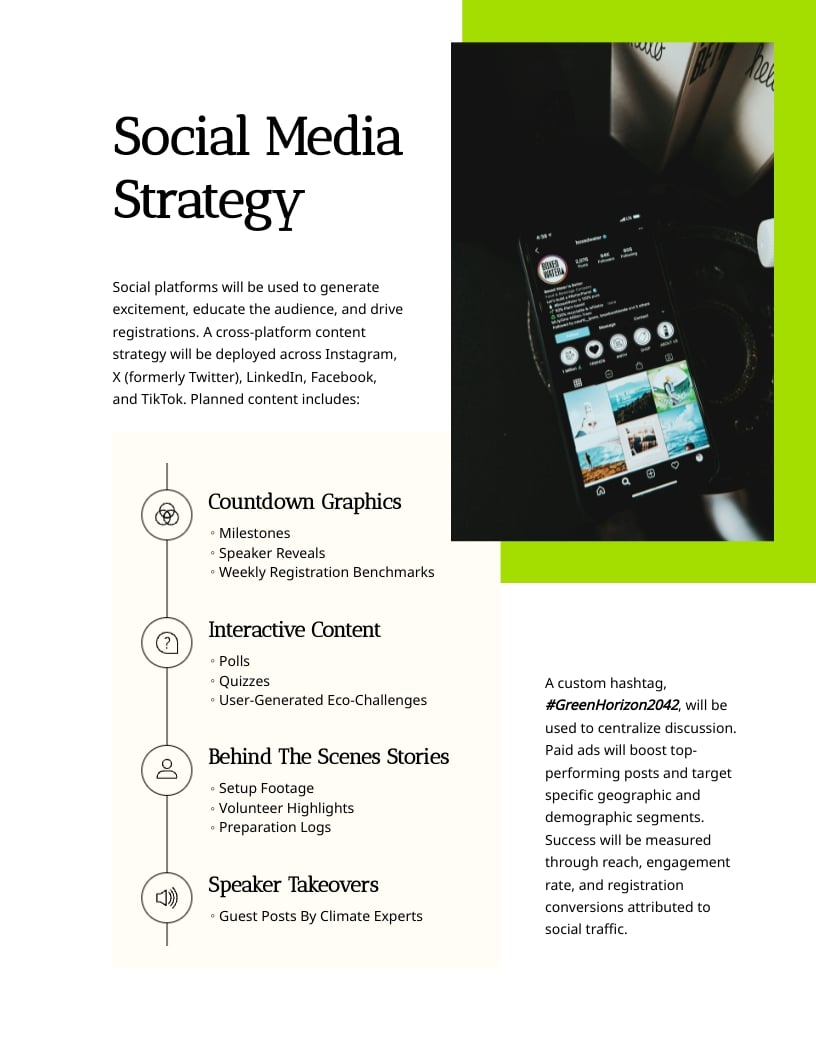
Non Profit Event Marketing Plan Template Visme

How to create a nonprofit marketing plan Free template Blog

NonProfit Marketing Plan Template room

NonProfit Marketing Plan Template room

Nonprofit marketing 101 How to build a nextlevel strategy Blog
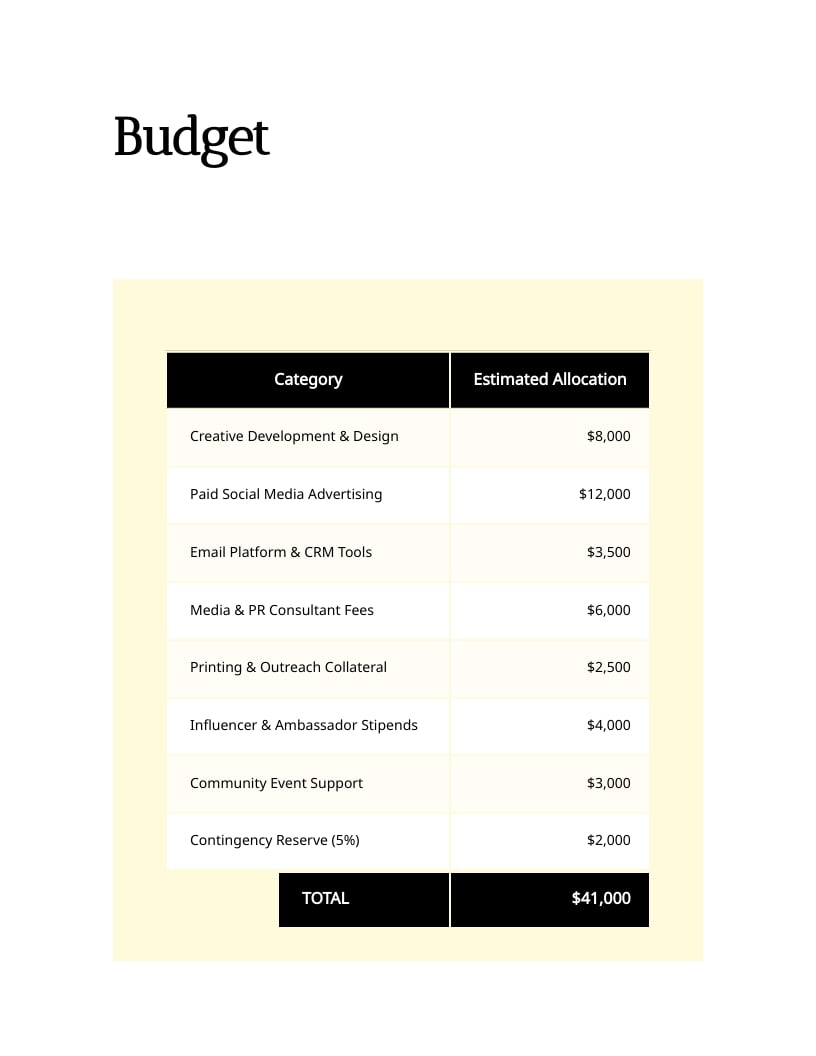
Non Profit Event Marketing Plan Template Visme
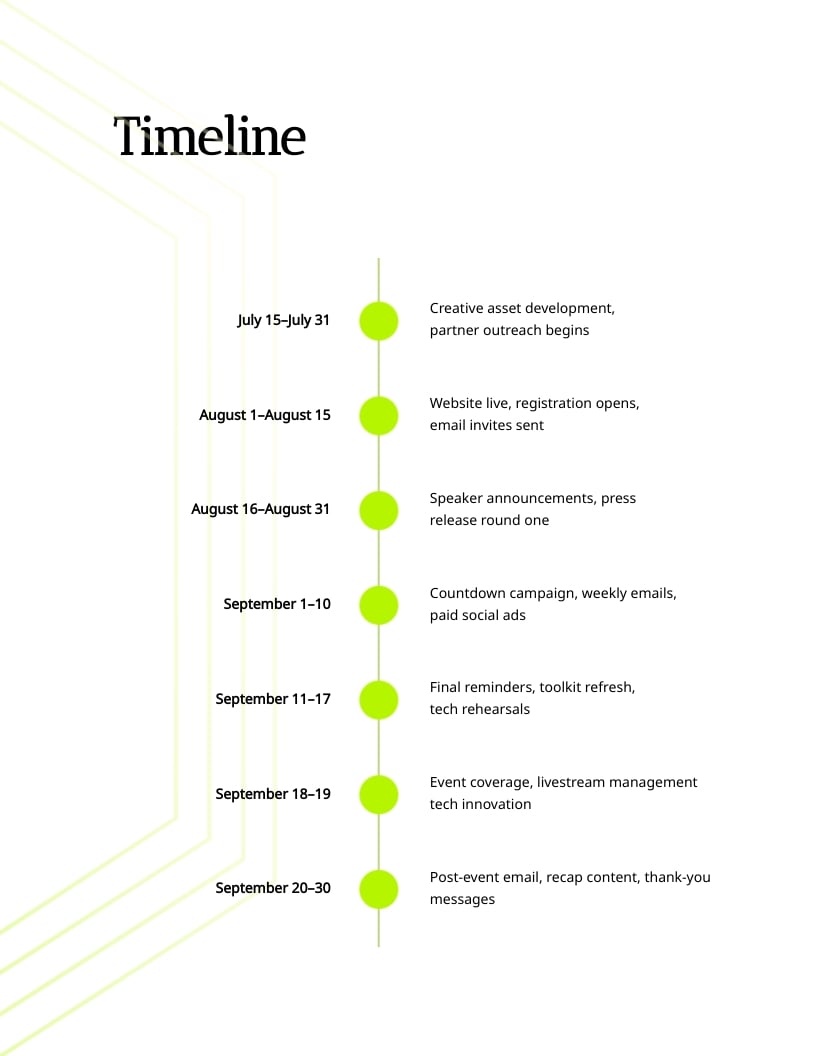
Non Profit Event Marketing Plan Template Visme
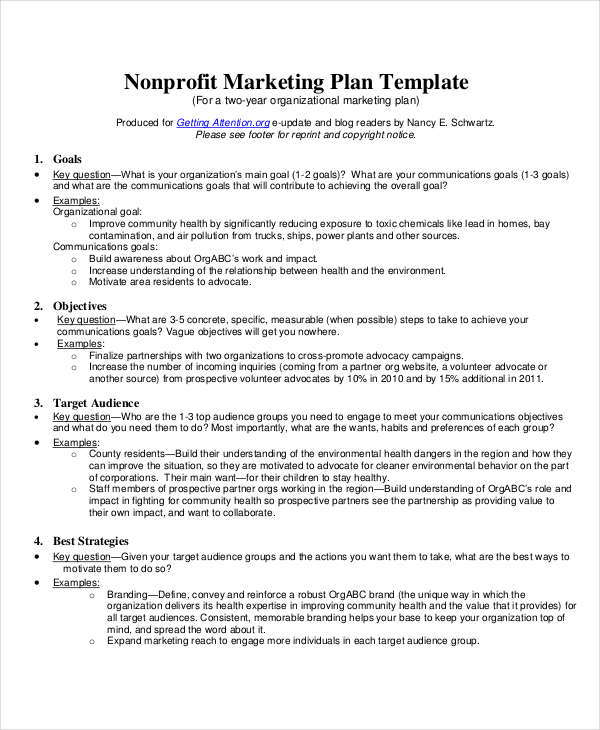
Nonprofit Marketing Plan Template
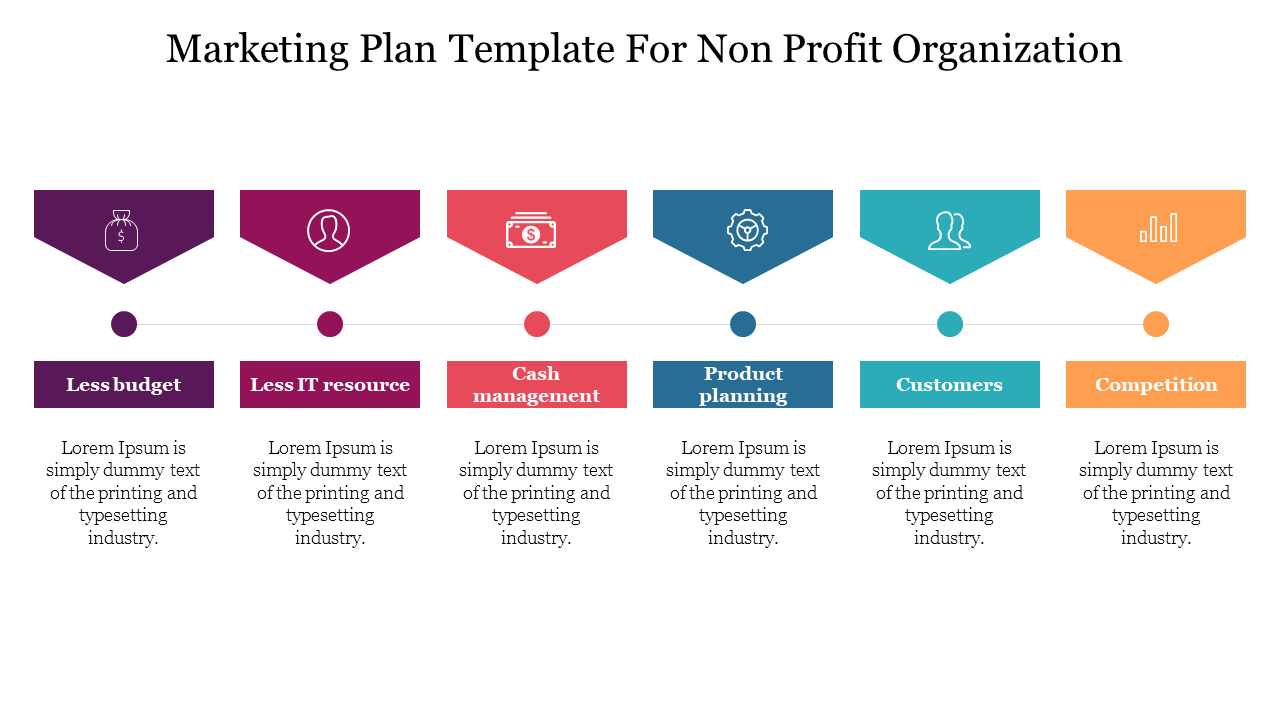
Marketing Plan Template for Non Profit Organization

Free NonProfit Marketing Strategic Plan Template to Edit Online

A Complete Guide to Creating a Nonprofit Marketing Plan
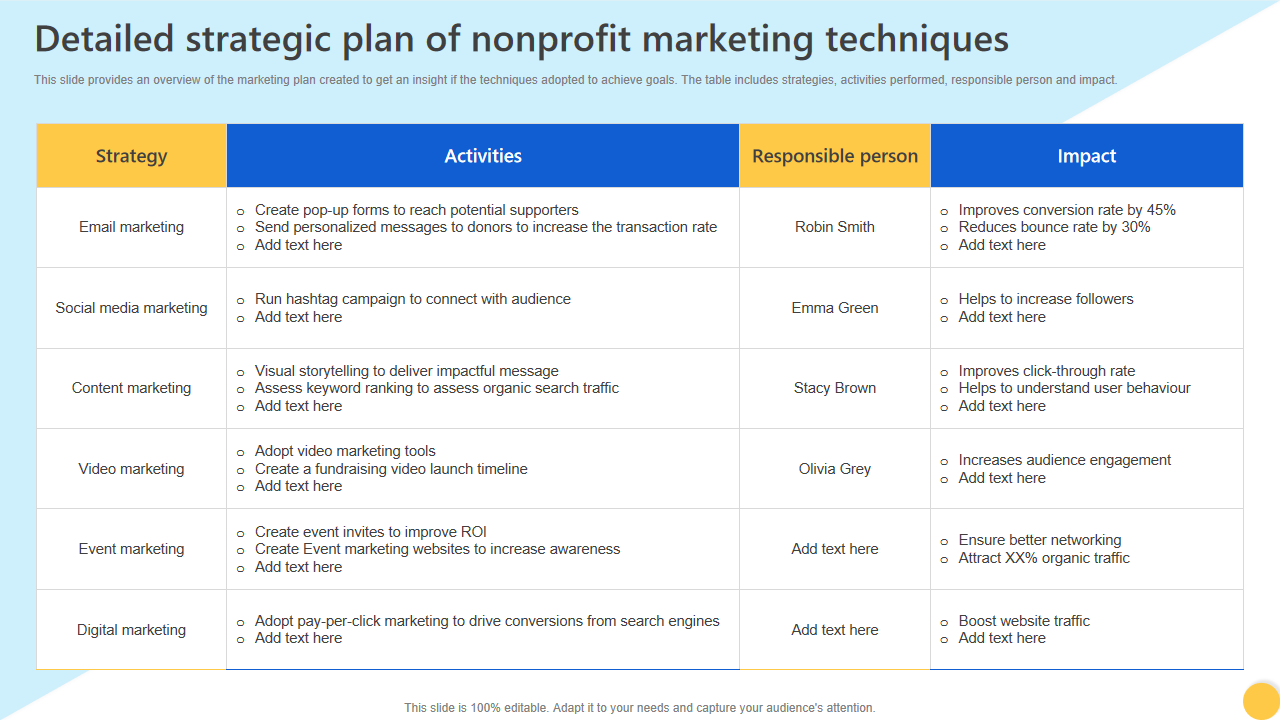
Top 10 NonProfit Strategic Plan Templates with Examples and Samples
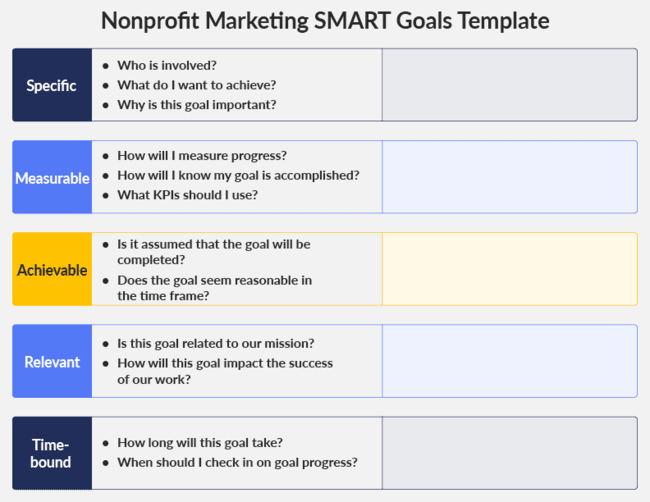
Strategic Planning Template Non Profit

Free Non Profit Templates to Edit Online

Non Profit Event Marketing Plan Template Visme
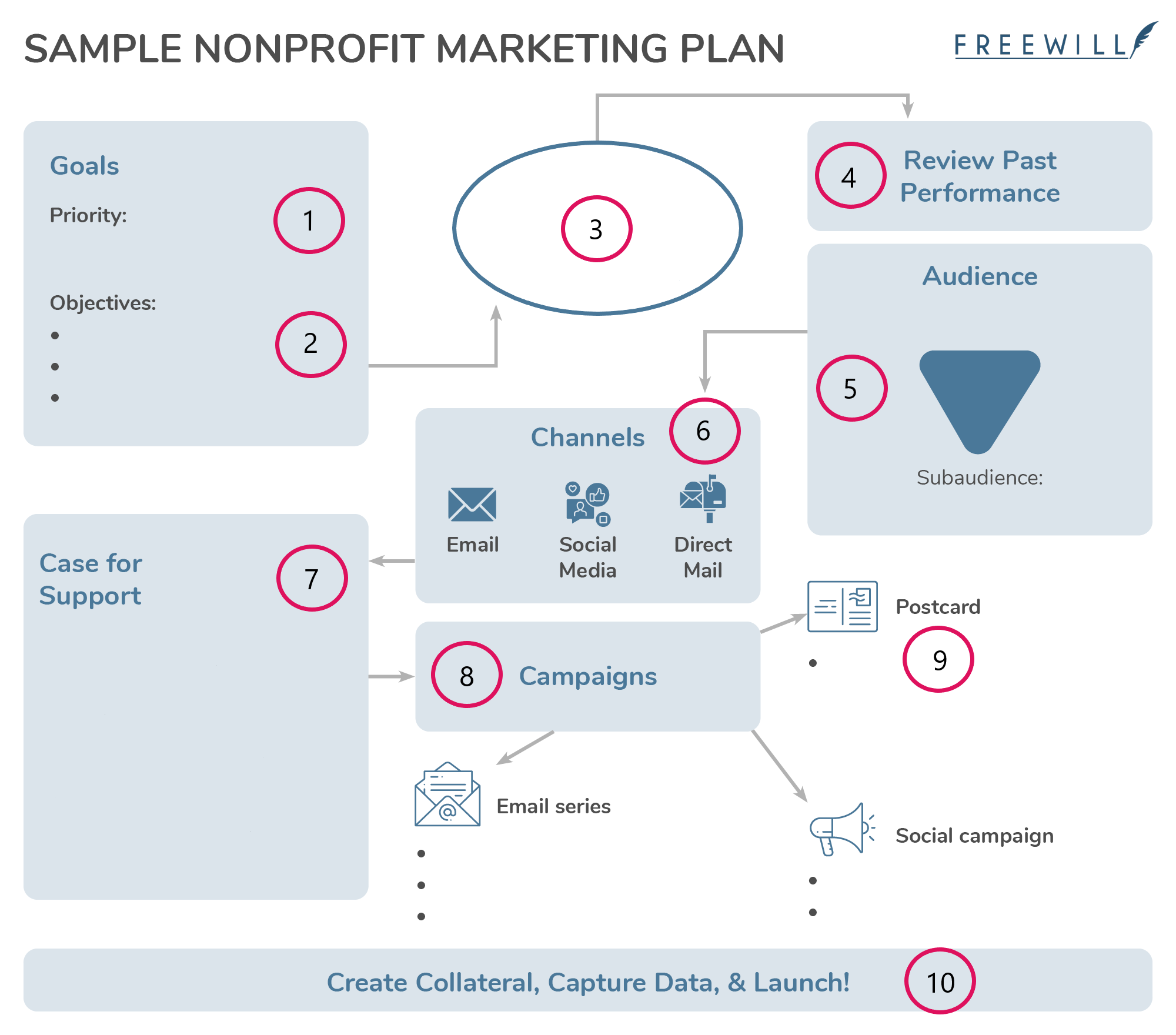
How to create a nonprofit marketing plan Free template Blog
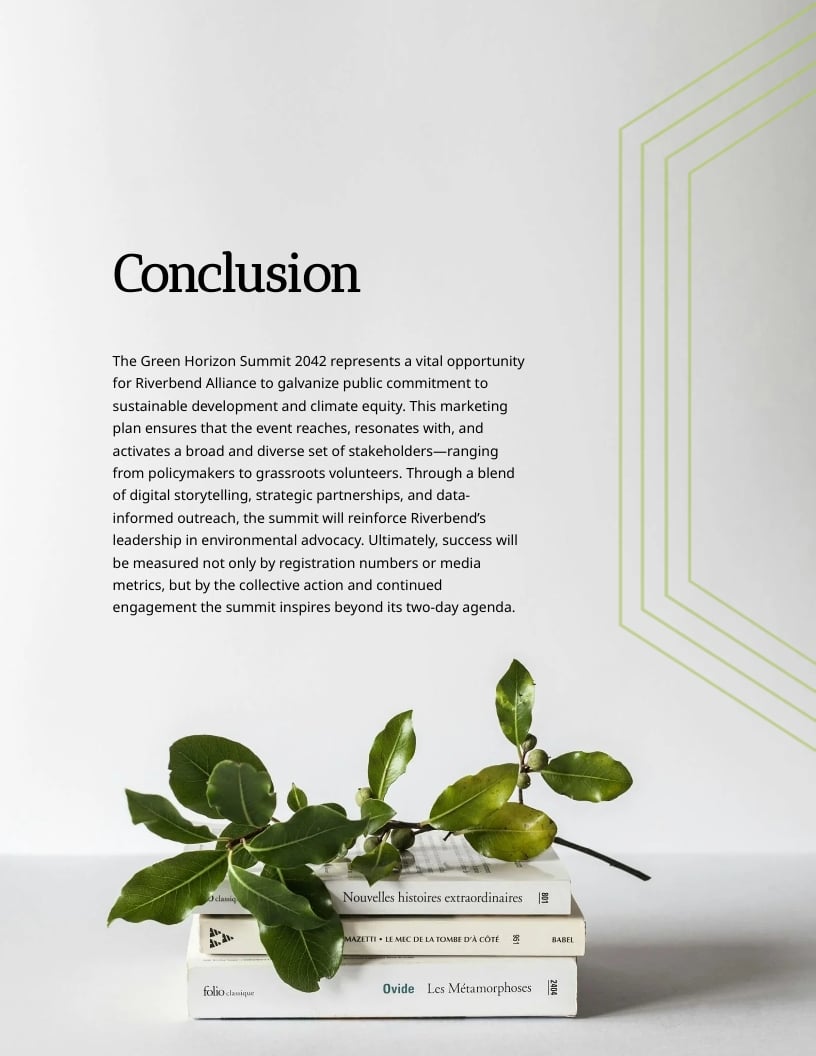
Non Profit Event Marketing Plan Template Visme
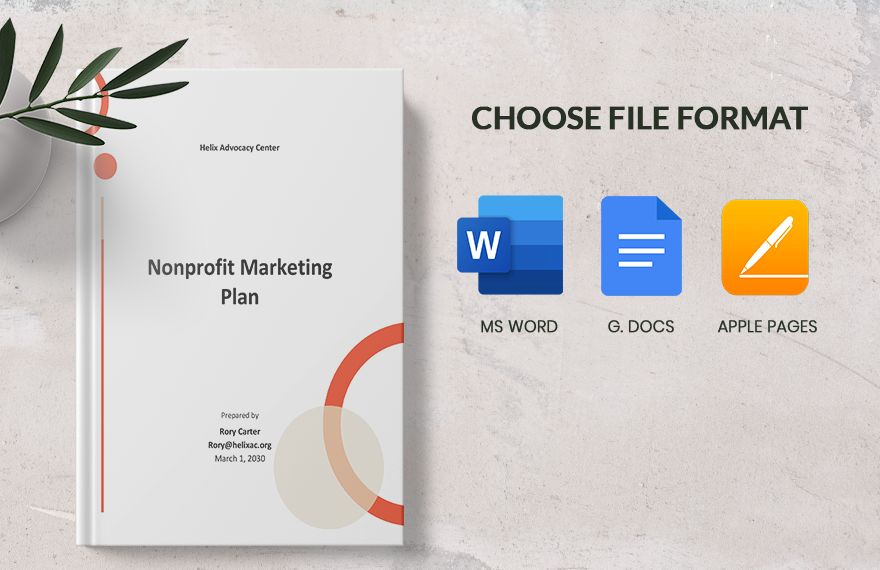
NEW Nonprofit Marketing Plan Template in Word, PDF, Google Docs, Pages

Non Profit Event Marketing Plan Template Visme
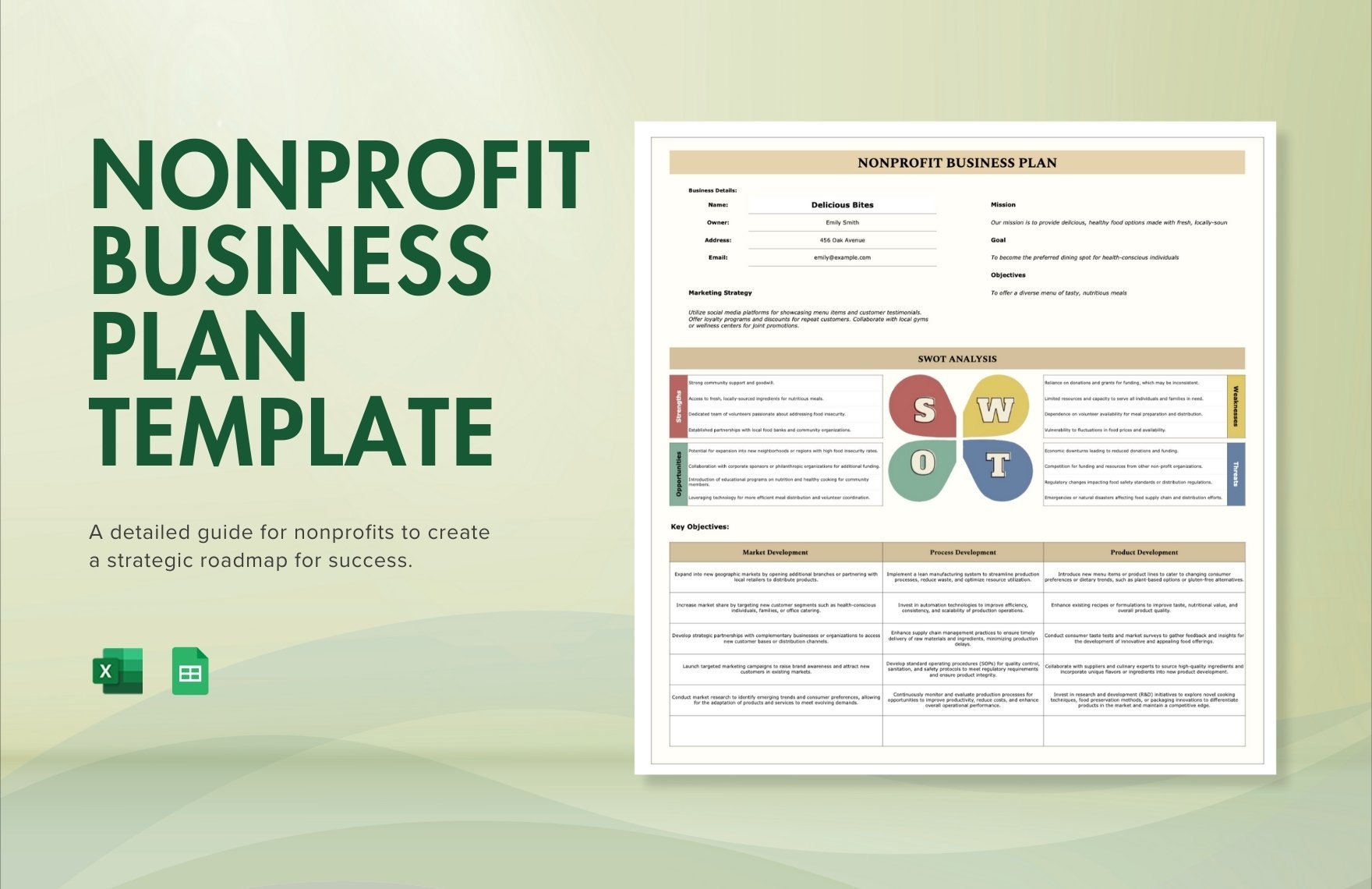
Free Editable Plan Templates in Excel to Download
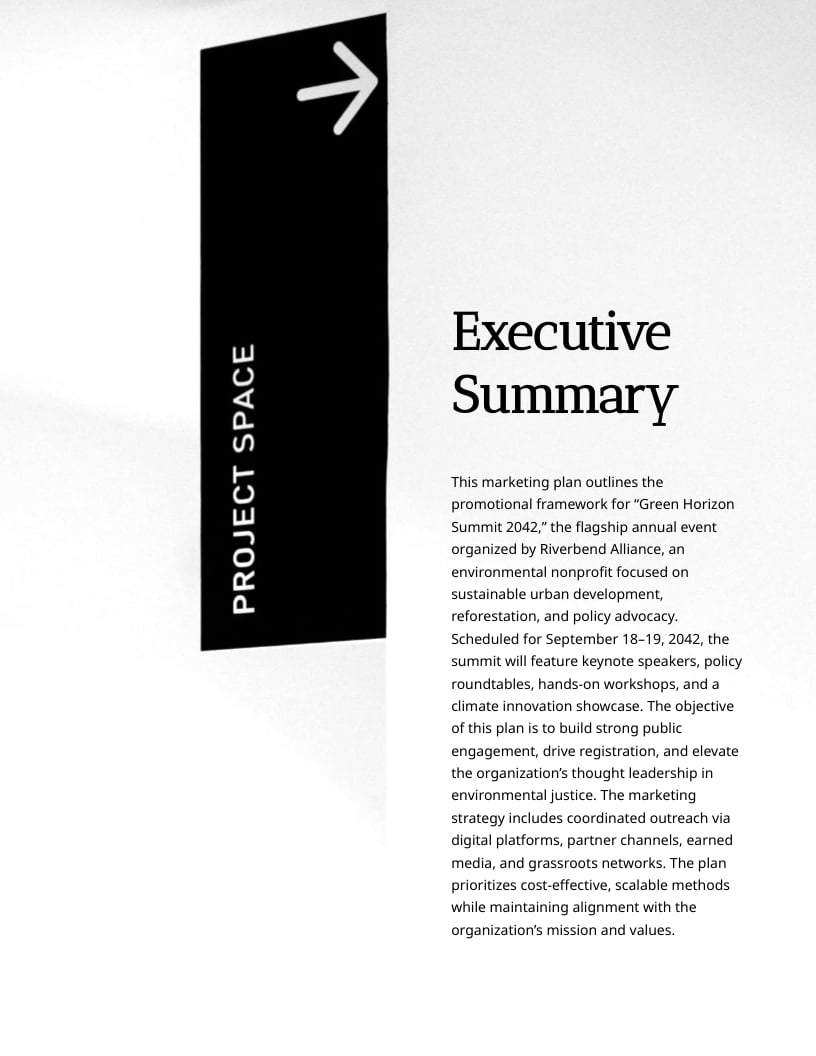
Non Profit Event Marketing Plan Template Visme

Top 5 Nonprofit Marketing Plan Samples with Templates and Examples

Non profit One Pager Marketing Plan Template Visme
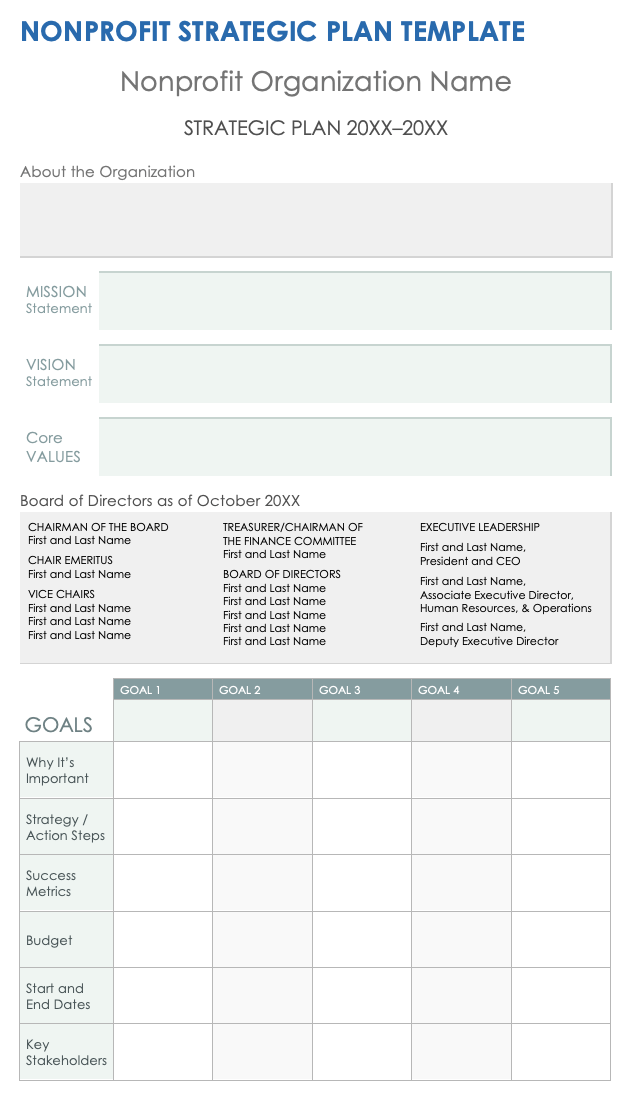
Free Strategic Plan Templates for Nonprofits Smartsheet

Non Profit Event Marketing Plan Template Visme
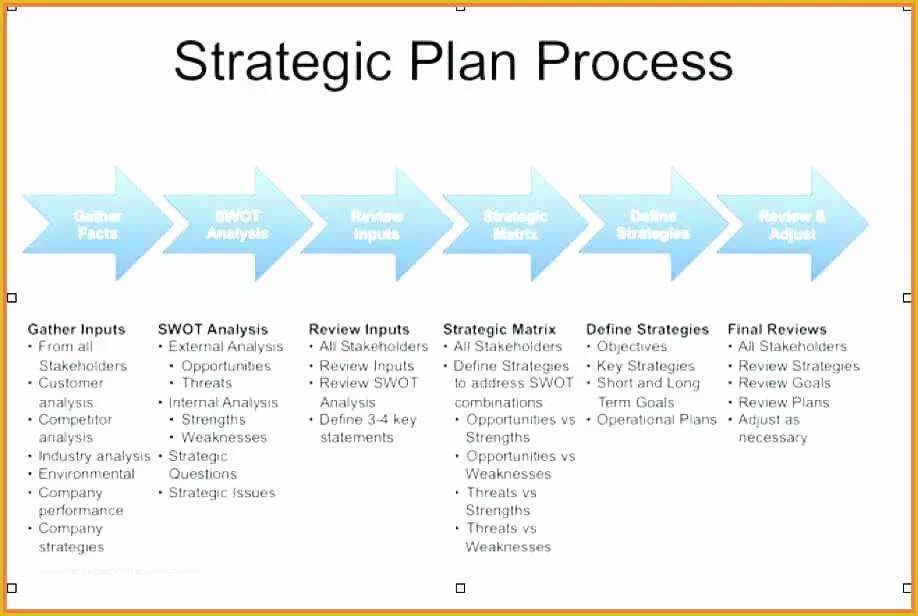
Free Strategic Plan Template For Nonprofits
(Used Before A Singular Count Noun) Not Even One (Expressing Emphasis About The Lack Of Something):[~ + A/One + Noun] He Had Not A Penny To His Name.
Used To Form A Negative Phrase After Verbs Like Be, Can, Have, Will, Must, Etc….
No, I Do Not Like Drinking Cod Liver Oil.
Why Didn't You Do It Months Ago?.
Related Post: