Pcr Template Dna Amount
Pcr Template Dna Amount - Polymerase chain reaction (abbreviated pcr) is a laboratory technique for rapidly producing (amplifying) millions to billions of copies of a specific segment of dna, which can then be. Pcr (polymerase chain reaction) tests are a reliable and accurate way to diagnose certain infectious diseases, some types of cancer, and certain genetic changes. What is a polymerase chain reaction (pcr) test? Using pcr, copies of very small. Polymerase chain reaction (pcr) is a widely used enzymatic process that rapidly and exponentially amplifies a specific region of dna, producing millions to billions of copies of a particular. Pcr involves a series of temperature cycles that enable the replication of dna segments, making it. Polymerase chain reaction (pcr) is a technique used to amplify small segments of dna. The polymerase chain reaction (pcr) is used to make numerous copies of a specific segment of dna quickly and accurately, enabling experiments in molecular biology, forensic. Healthcare providers can use pcr to test for infectious diseases,. Polymerase chain reaction (pcr) is a nucleic acid amplification technique used to amplify the dna or rna in vitro enzymatically. Healthcare providers can use pcr to test for infectious diseases,. What is a polymerase chain reaction (pcr) test? Polymerase chain reaction (pcr) is a nucleic acid amplification technique used to amplify the dna or rna in vitro enzymatically. Polymerase chain reaction (pcr) is a widely used enzymatic process that rapidly and exponentially amplifies a specific region of dna, producing millions. Using pcr, copies of very small. Polymerase chain reaction (abbreviated pcr) is a laboratory technique for rapidly producing (amplifying) millions to billions of copies of a specific segment of dna, which can then be. Pcr is fundamental to many of the procedures used in genetic testing, research, including analysis of ancient samples of dna, and identification of infectious agents. Pcr. Pcr involves a series of temperature cycles that enable the replication of dna segments, making it. Here, we describe how the tests work and why health experts and researchers use them. Polymerase chain reaction (abbreviated pcr) is a laboratory technique for rapidly producing (amplifying) millions to billions of copies of a specific segment of dna, which can then be. The. Polymerase chain reaction (pcr) is a technique used to amplify small segments of dna. Using pcr, copies of very small. Polymerase chain reaction (pcr) is a nucleic acid amplification technique used to amplify the dna or rna in vitro enzymatically. Pcr involves a series of temperature cycles that enable the replication of dna segments, making it. The polymerase chain reaction. A pcr (polymerase chain reaction) test is a lab technique that amplifies (creates more copies) of genetic material (dna). Pcr is fundamental to many of the procedures used in genetic testing, research, including analysis of ancient samples of dna, and identification of infectious agents. Polymerase chain reaction (pcr) is a technique used to amplify small segments of dna. Pcr (polymerase. Here, we describe how the tests work and why health experts and researchers use them. A pcr (polymerase chain reaction) test is a lab technique that amplifies (creates more copies) of genetic material (dna). What is a polymerase chain reaction (pcr) test? Polymerase chain reaction (pcr) is a widely used enzymatic process that rapidly and exponentially amplifies a specific region. Polymerase chain reaction (pcr) is a nucleic acid amplification technique used to amplify the dna or rna in vitro enzymatically. Polymerase chain reaction (pcr) is a widely used enzymatic process that rapidly and exponentially amplifies a specific region of dna, producing millions to billions of copies of a particular. Pcr is fundamental to many of the procedures used in genetic. Pcr involves a series of temperature cycles that enable the replication of dna segments, making it. Polymerase chain reaction (pcr) is a nucleic acid amplification technique used to amplify the dna or rna in vitro enzymatically. A pcr (polymerase chain reaction) test is a lab technique that amplifies (creates more copies) of genetic material (dna). Polymerase chain reaction (pcr) is. Healthcare providers can use pcr to test for infectious diseases,. Pcr (polymerase chain reaction) tests are a reliable and accurate way to diagnose certain infectious diseases, some types of cancer, and certain genetic changes. Polymerase chain reaction (abbreviated pcr) is a laboratory technique for rapidly producing (amplifying) millions to billions of copies of a specific segment of dna, which can. What is a polymerase chain reaction (pcr) test? Healthcare providers can use pcr to test for infectious diseases,. A pcr (polymerase chain reaction) test is a lab technique that amplifies (creates more copies) of genetic material (dna). Pcr is fundamental to many of the procedures used in genetic testing, research, including analysis of ancient samples of dna, and identification of. Polymerase chain reaction (pcr) is a nucleic acid amplification technique used to amplify the dna or rna in vitro enzymatically. The polymerase chain reaction (pcr) is used to make numerous copies of a specific segment of dna quickly and accurately, enabling experiments in molecular biology, forensic. A pcr (polymerase chain reaction) test is a lab technique that amplifies (creates more. Polymerase chain reaction (pcr) is a widely used enzymatic process that rapidly and exponentially amplifies a specific region of dna, producing millions to billions of copies of a particular. Here, we describe how the tests work and why health experts and researchers use them. Healthcare providers can use pcr to test for infectious diseases,. The polymerase chain reaction (pcr) is. Pcr involves a series of temperature cycles that enable the replication of dna segments, making it. The polymerase chain reaction (pcr) is used to make numerous copies of a specific segment of dna quickly and accurately, enabling experiments in molecular biology, forensic. Here, we describe how the tests work and why health experts and researchers use them. A pcr (polymerase. Polymerase chain reaction (pcr) is a widely used enzymatic process that rapidly and exponentially amplifies a specific region of dna, producing millions to billions of copies of a particular. The polymerase chain reaction (pcr) is used to make numerous copies of a specific segment of dna quickly and accurately, enabling experiments in molecular biology, forensic. Pcr is fundamental to many. Using pcr, copies of very small. What is a polymerase chain reaction (pcr) test? Polymerase chain reaction (abbreviated pcr) is a laboratory technique for rapidly producing (amplifying) millions to billions of copies of a specific segment of dna, which can then be. A pcr (polymerase chain reaction) test is a lab technique that amplifies (creates more copies) of genetic material. What is a polymerase chain reaction (pcr) test? Here, we describe how the tests work and why health experts and researchers use them. Healthcare providers can use pcr to test for infectious diseases,. Using pcr, copies of very small. Polymerase chain reaction (pcr) is a nucleic acid amplification technique used to amplify the dna or rna in vitro enzymatically. What is a polymerase chain reaction (pcr) test? Polymerase chain reaction (pcr) is a widely used enzymatic process that rapidly and exponentially amplifies a specific region of dna, producing millions to billions of copies of a particular. A pcr (polymerase chain reaction) test is a lab technique that amplifies (creates more copies) of genetic material (dna). Pcr involves a series. Polymerase chain reaction (abbreviated pcr) is a laboratory technique for rapidly producing (amplifying) millions to billions of copies of a specific segment of dna, which can then be. Pcr is fundamental to many of the procedures used in genetic testing, research, including analysis of ancient samples of dna, and identification of infectious agents. Polymerase chain reaction (pcr) is a widely. Pcr involves a series of temperature cycles that enable the replication of dna segments, making it. What is a polymerase chain reaction (pcr) test? Using pcr, copies of very small. Pcr (polymerase chain reaction) tests are a reliable and accurate way to diagnose certain infectious diseases, some types of cancer, and certain genetic changes. Pcr is fundamental to many of. Polymerase chain reaction (abbreviated pcr) is a laboratory technique for rapidly producing (amplifying) millions to billions of copies of a specific segment of dna, which can then be. Polymerase chain reaction (pcr) is a widely used enzymatic process that rapidly and exponentially amplifies a specific region of dna, producing millions to billions of copies of a particular. Healthcare providers can. Polymerase chain reaction (abbreviated pcr) is a laboratory technique for rapidly producing (amplifying) millions to billions of copies of a specific segment of dna, which can then be. What is a polymerase chain reaction (pcr) test? Here, we describe how the tests work and why health experts and researchers use them. Pcr is fundamental to many of the procedures used. Healthcare providers can use pcr to test for infectious diseases,. Polymerase chain reaction (abbreviated pcr) is a laboratory technique for rapidly producing (amplifying) millions to billions of copies of a specific segment of dna, which can then be. Pcr involves a series of temperature cycles that enable the replication of dna segments, making it. Polymerase chain reaction (pcr) is a. Pcr is fundamental to many of the procedures used in genetic testing, research, including analysis of ancient samples of dna, and identification of infectious agents. Using pcr, copies of very small. Polymerase chain reaction (abbreviated pcr) is a laboratory technique for rapidly producing (amplifying) millions to billions of copies of a specific segment of dna, which can then be. Here,. Healthcare providers can use pcr to test for infectious diseases,. Pcr (polymerase chain reaction) tests are a reliable and accurate way to diagnose certain infectious diseases, some types of cancer, and certain genetic changes. The polymerase chain reaction (pcr) is used to make numerous copies of a specific segment of dna quickly and accurately, enabling experiments in molecular biology, forensic.. Using pcr, copies of very small. Polymerase chain reaction (pcr) is a nucleic acid amplification technique used to amplify the dna or rna in vitro enzymatically. Polymerase chain reaction (pcr) is a widely used enzymatic process that rapidly and exponentially amplifies a specific region of dna, producing millions to billions of copies of a particular. Here, we describe how the. Using pcr, copies of very small. Here, we describe how the tests work and why health experts and researchers use them. Healthcare providers can use pcr to test for infectious diseases,. Pcr (polymerase chain reaction) tests are a reliable and accurate way to diagnose certain infectious diseases, some types of cancer, and certain genetic changes. Polymerase chain reaction (pcr) is. A pcr (polymerase chain reaction) test is a lab technique that amplifies (creates more copies) of genetic material (dna). Polymerase chain reaction (abbreviated pcr) is a laboratory technique for rapidly producing (amplifying) millions to billions of copies of a specific segment of dna, which can then be. Healthcare providers can use pcr to test for infectious diseases,. The polymerase chain. Polymerase chain reaction (abbreviated pcr) is a laboratory technique for rapidly producing (amplifying) millions to billions of copies of a specific segment of dna, which can then be. Pcr involves a series of temperature cycles that enable the replication of dna segments, making it. Here, we describe how the tests work and why health experts and researchers use them. Pcr. Polymerase chain reaction (abbreviated pcr) is a laboratory technique for rapidly producing (amplifying) millions to billions of copies of a specific segment of dna, which can then be. Healthcare providers can use pcr to test for infectious diseases,. Polymerase chain reaction (pcr) is a technique used to amplify small segments of dna. Polymerase chain reaction (pcr) is a widely used. Polymerase chain reaction (pcr) is a nucleic acid amplification technique used to amplify the dna or rna in vitro enzymatically. Using pcr, copies of very small. Pcr is fundamental to many of the procedures used in genetic testing, research, including analysis of ancient samples of dna, and identification of infectious agents. Polymerase chain reaction (abbreviated pcr) is a laboratory technique. A pcr (polymerase chain reaction) test is a lab technique that amplifies (creates more copies) of genetic material (dna). Here, we describe how the tests work and why health experts and researchers use them. Polymerase chain reaction (abbreviated pcr) is a laboratory technique for rapidly producing (amplifying) millions to billions of copies of a specific segment of dna, which can. What is a polymerase chain reaction (pcr) test? The polymerase chain reaction (pcr) is used to make numerous copies of a specific segment of dna quickly and accurately, enabling experiments in molecular biology, forensic. Polymerase chain reaction (pcr) is a nucleic acid amplification technique used to amplify the dna or rna in vitro enzymatically. Here, we describe how the tests. The polymerase chain reaction (pcr) is used to make numerous copies of a specific segment of dna quickly and accurately, enabling experiments in molecular biology, forensic. Pcr (polymerase chain reaction) tests are a reliable and accurate way to diagnose certain infectious diseases, some types of cancer, and certain genetic changes. Pcr is fundamental to many of the procedures used in. Using pcr, copies of very small. Pcr is fundamental to many of the procedures used in genetic testing, research, including analysis of ancient samples of dna, and identification of infectious agents. Polymerase chain reaction (pcr) is a nucleic acid amplification technique used to amplify the dna or rna in vitro enzymatically. A pcr (polymerase chain reaction) test is a lab. The polymerase chain reaction (pcr) is used to make numerous copies of a specific segment of dna quickly and accurately, enabling experiments in molecular biology, forensic. A pcr (polymerase chain reaction) test is a lab technique that amplifies (creates more copies) of genetic material (dna). Here, we describe how the tests work and why health experts and researchers use them.. Pcr (polymerase chain reaction) tests are a reliable and accurate way to diagnose certain infectious diseases, some types of cancer, and certain genetic changes. What is a polymerase chain reaction (pcr) test? Polymerase chain reaction (pcr) is a nucleic acid amplification technique used to amplify the dna or rna in vitro enzymatically. Polymerase chain reaction (pcr) is a widely used enzymatic process that rapidly and exponentially amplifies a specific region of dna, producing millions to billions of copies of a particular. Here, we describe how the tests work and why health experts and researchers use them. Polymerase chain reaction (pcr) is a technique used to amplify small segments of dna. Polymerase chain reaction (abbreviated pcr) is a laboratory technique for rapidly producing (amplifying) millions to billions of copies of a specific segment of dna, which can then be. Pcr involves a series of temperature cycles that enable the replication of dna segments, making it. Pcr is fundamental to many of the procedures used in genetic testing, research, including analysis of ancient samples of dna, and identification of infectious agents. Using pcr, copies of very small.
Total Number of DNA Molecules After 5 PCR Cycles Starting with 3
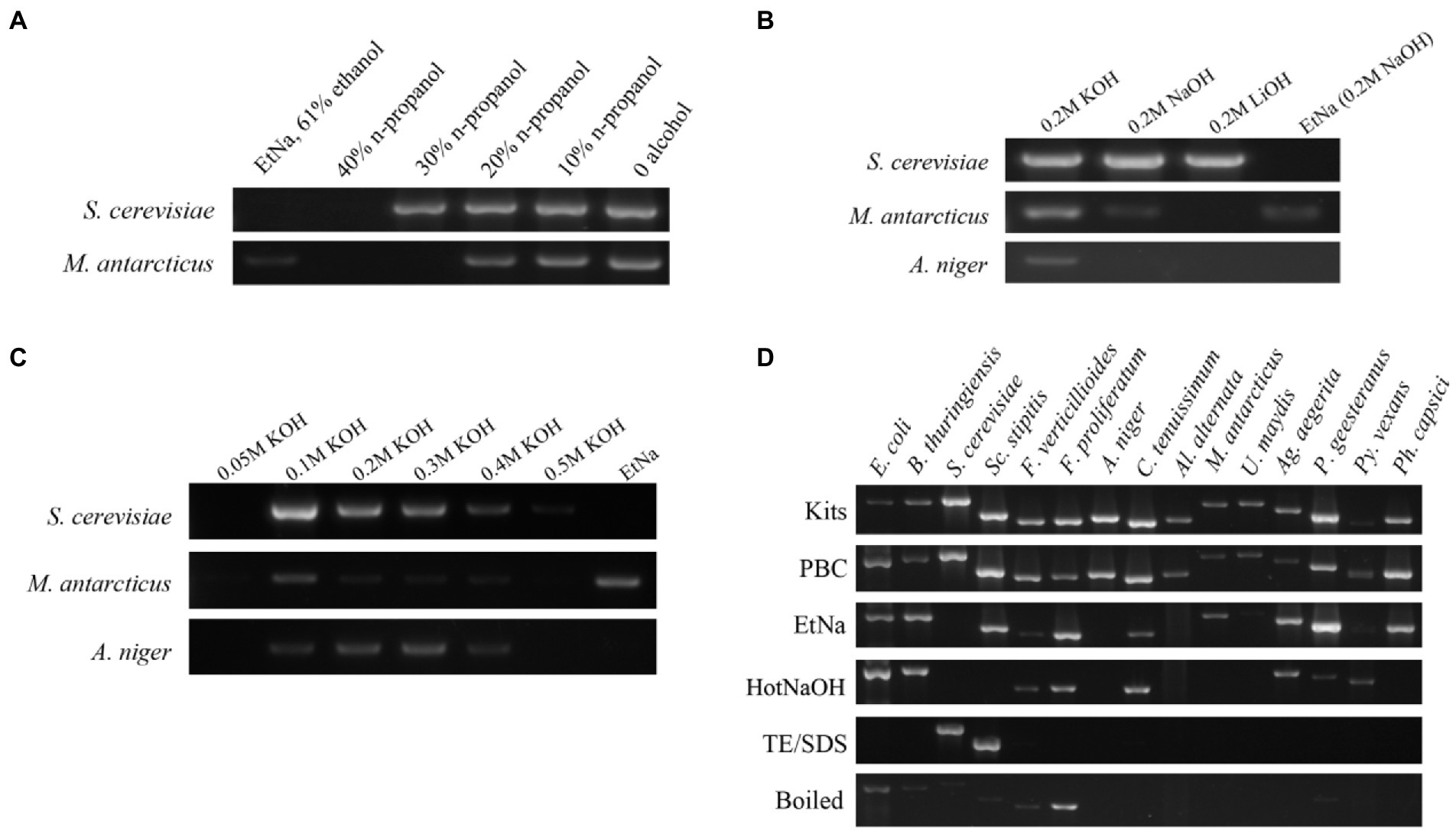
Frontiers A simple and rapid technique of template preparation for PCR

Polymerase Chain Reaction Snapgene
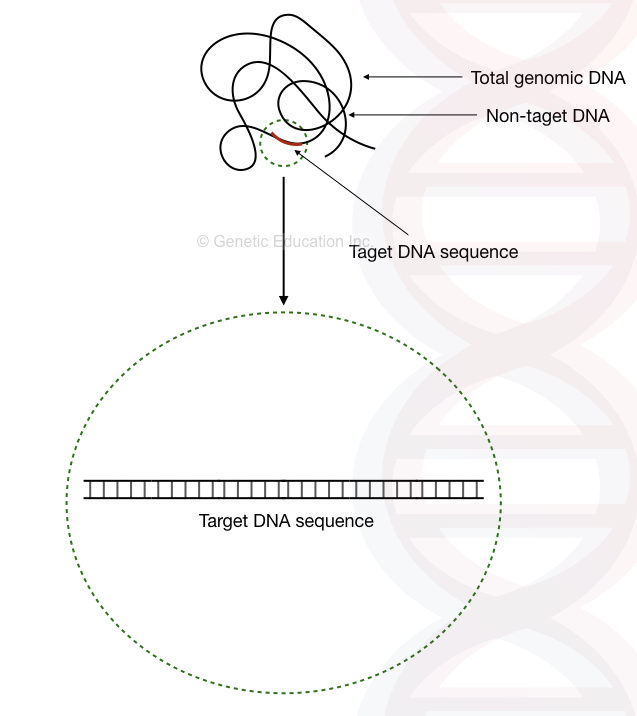
Template Dna Pcr
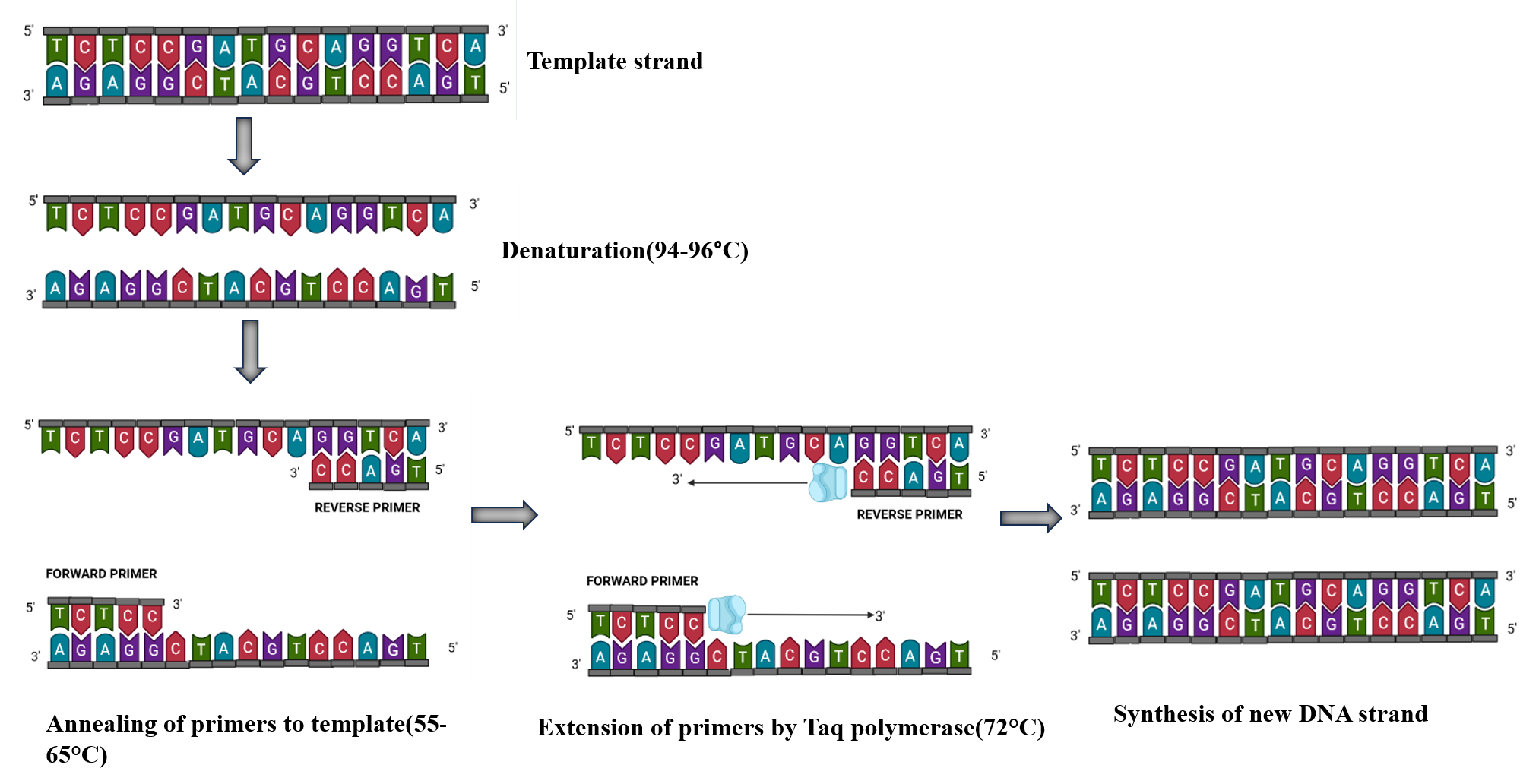
DNA amplification by Polymerase Chain Reaction (PCR)
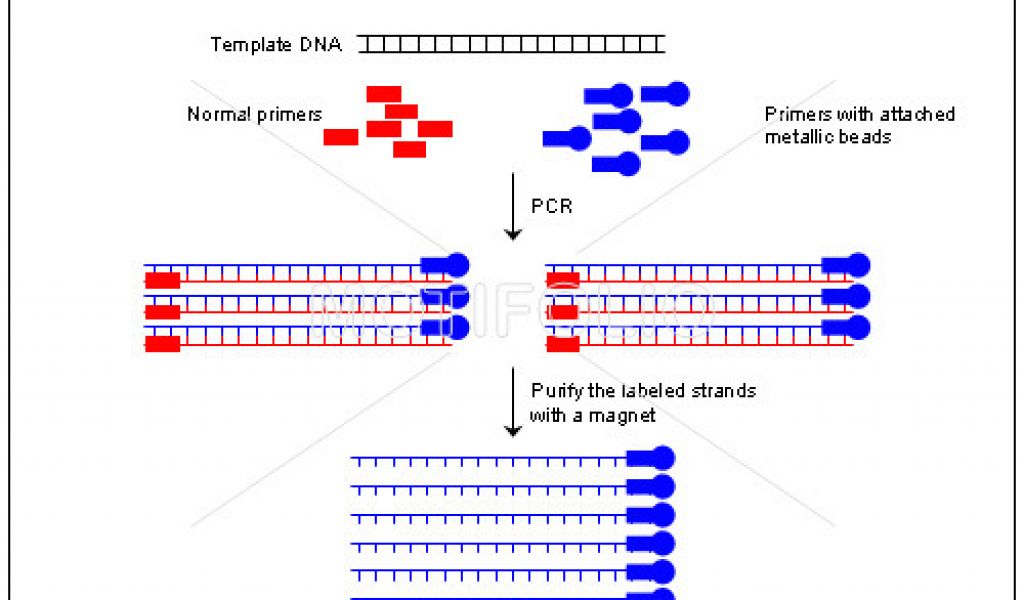
Pcr Template Amount One Way Of Using Pcr to Prepare Template Dna for

Template Dna Pcr

Pcr Template Concentration
Setting up for Success How Do I Ensure I Have the Right Template for

The Dna Template Was Amplified By Realtime Pcr Technique That Picture
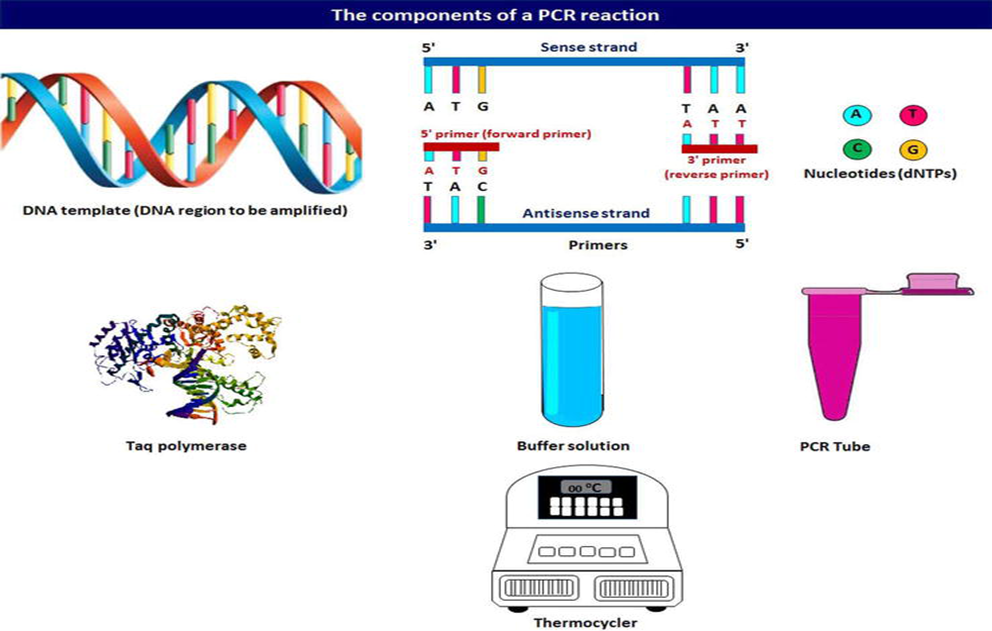
What Does Template Dna Do In Pcr at Wendy Seay blog

Template Dna Pcr

Template Dna In Pcr

The effect of DNA template on PCR amplification. PCR was performed in
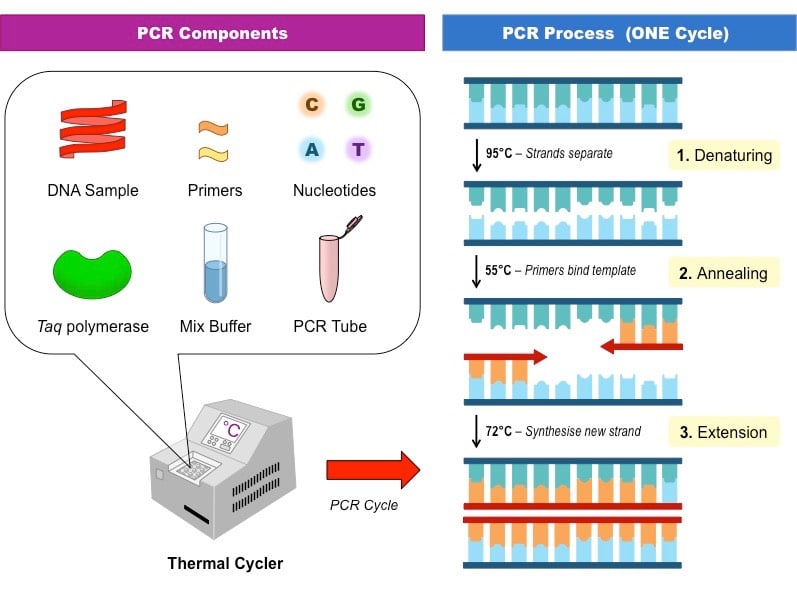
Template Dna For Pcr

of positive results of PCR analysis depending on the amount of template

Results of onchip and intube PCR reactions in relation to the amount
Schematic of the method for SDM using PCR. Template DNA is treated by

Amount of DNA template used for polymerase chain reaction (PCR) and
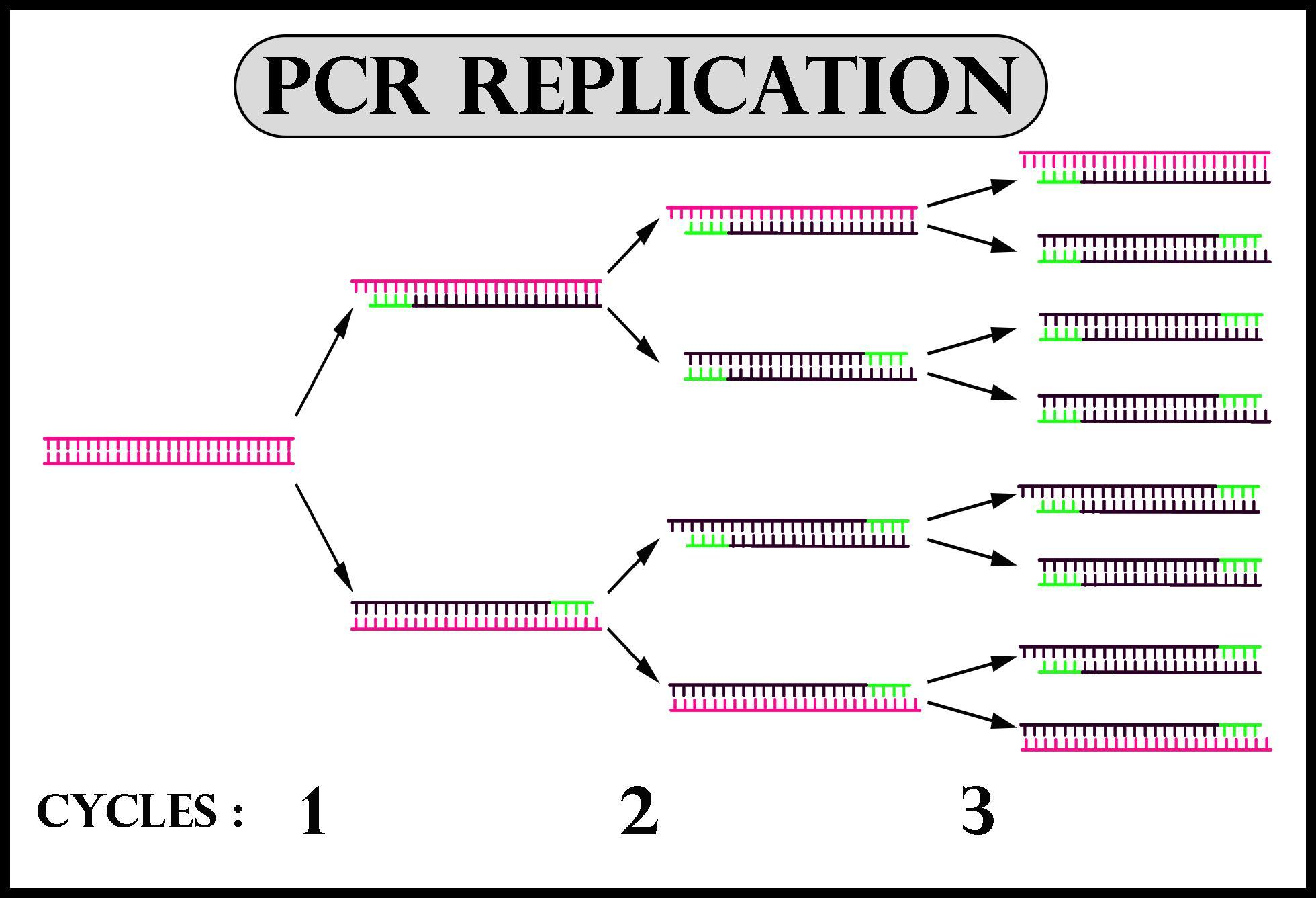
Template Dna Pcr
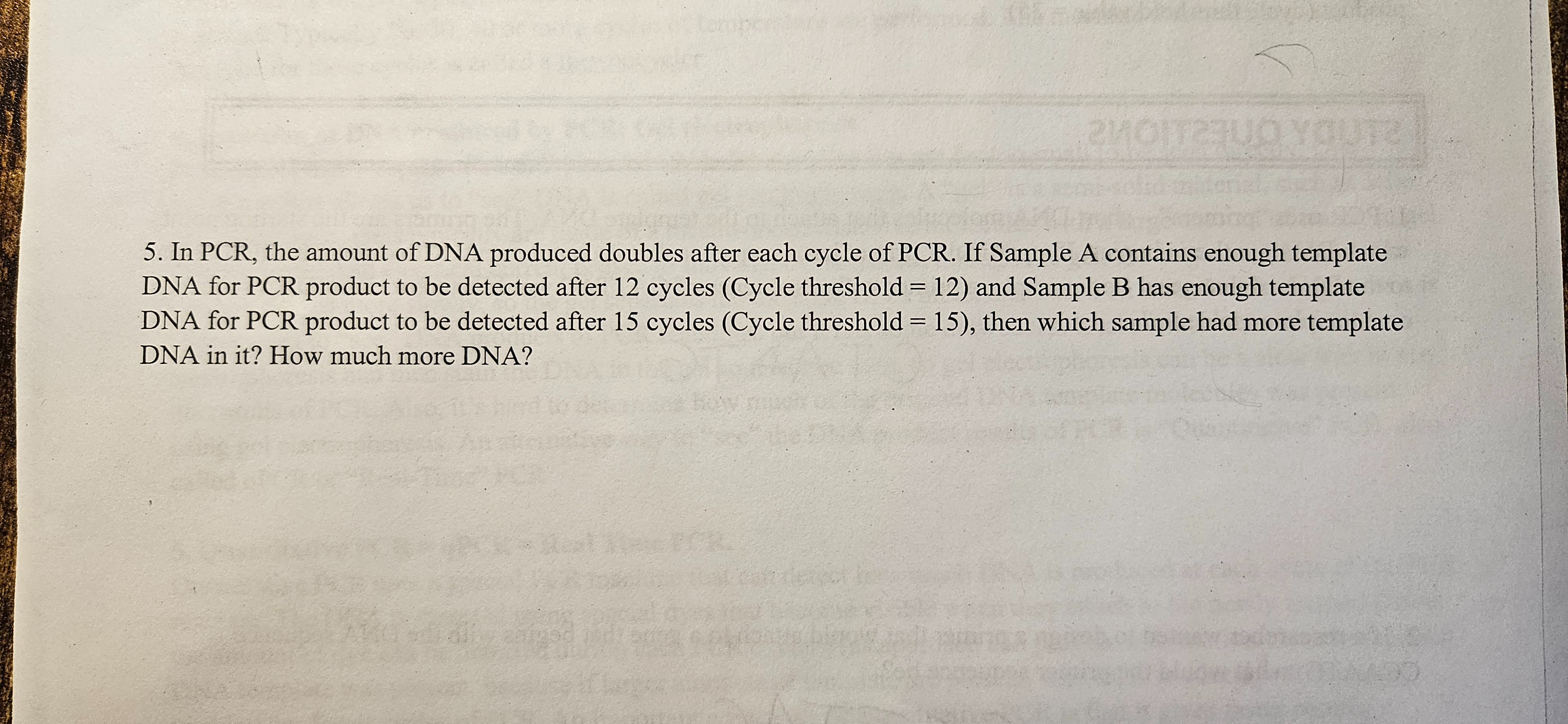
Solved In PCR, the amount of DNA produced doubles after

Pcr Template Amount Merritt Genomics williamsonga.us
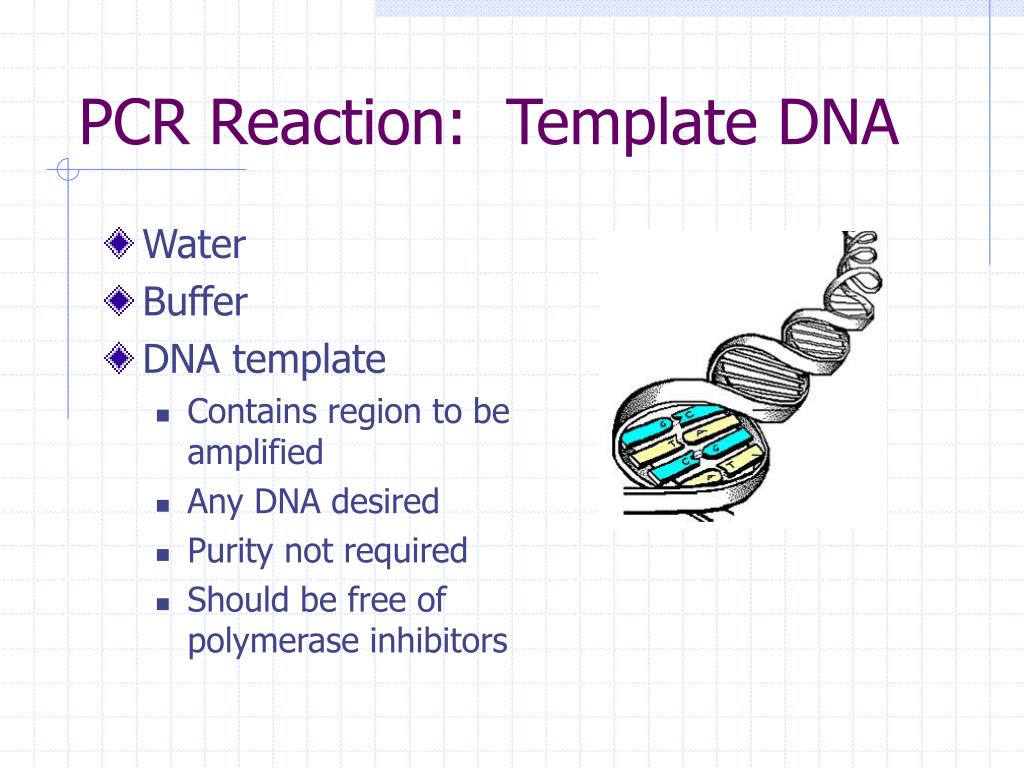
Pcr Template Concentration
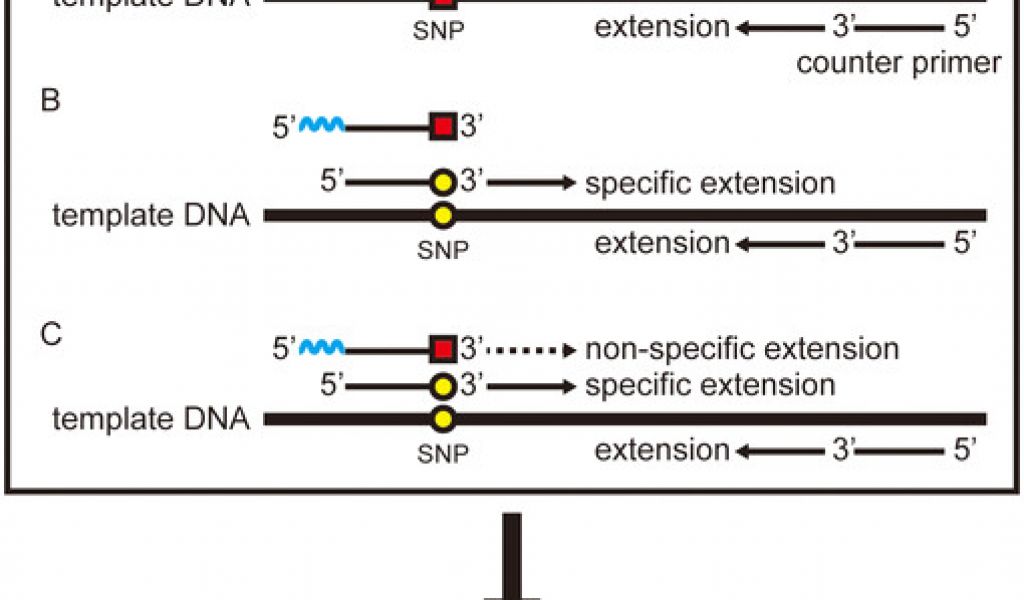
How Much Template Dna for Pcr Pcr Template Amount Free Template Design

How Much Template Dna For Pcr

Pcr Template Amount Polymerase Chain Reaction Pcr Ppt Video Online
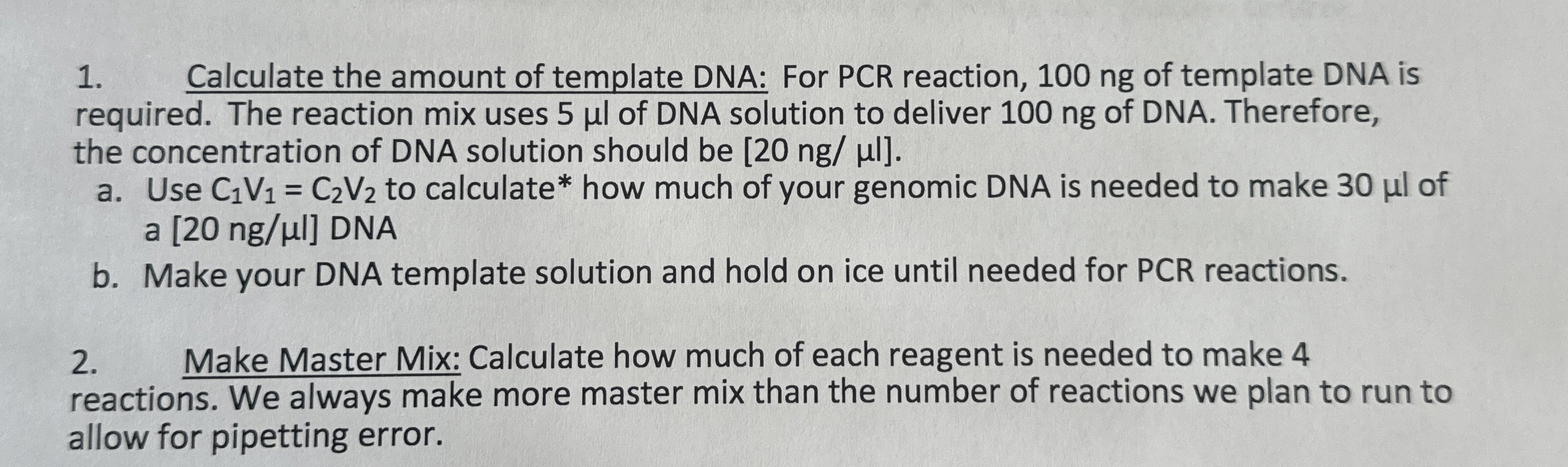
Solved Calculate the amount of template DNA For PCR

PCR product concentrations obtained with different concentrations of
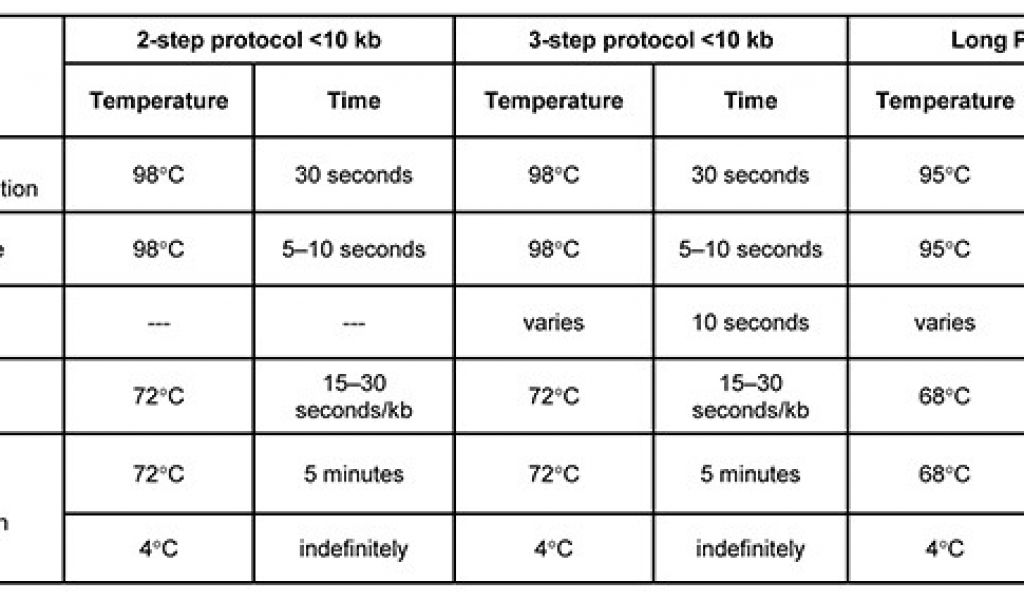
Pcr Template Amount Platinum Superfi Dna Polymerase thermo Fisher
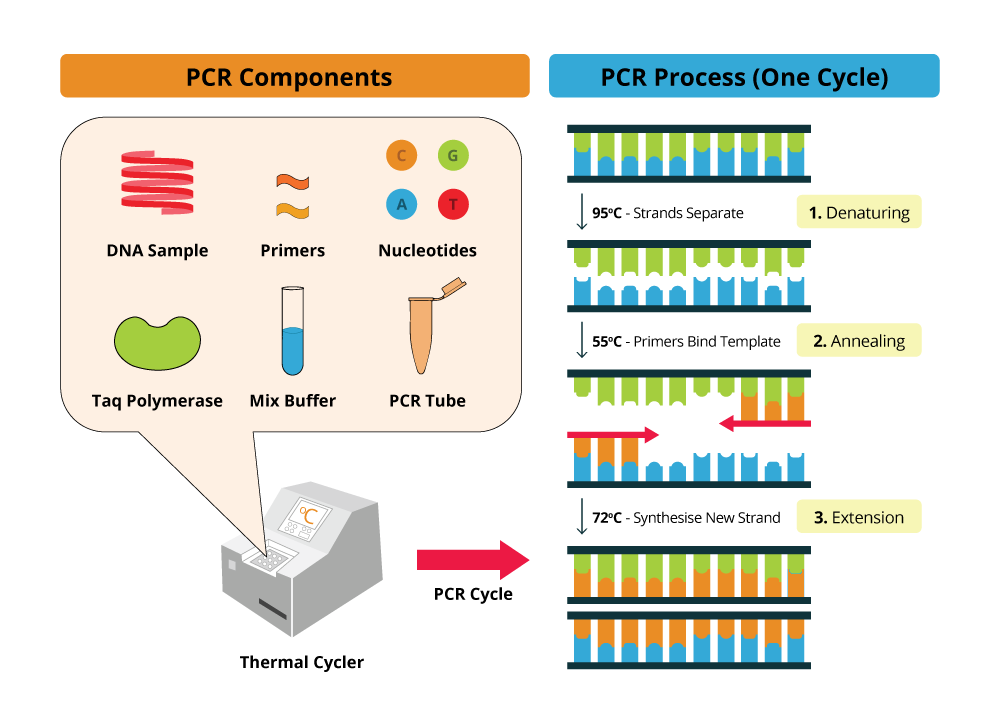
What Is The Template Of The Pcr

How Much Template Dna for Pcr Pcr Template Amount Free Template Design
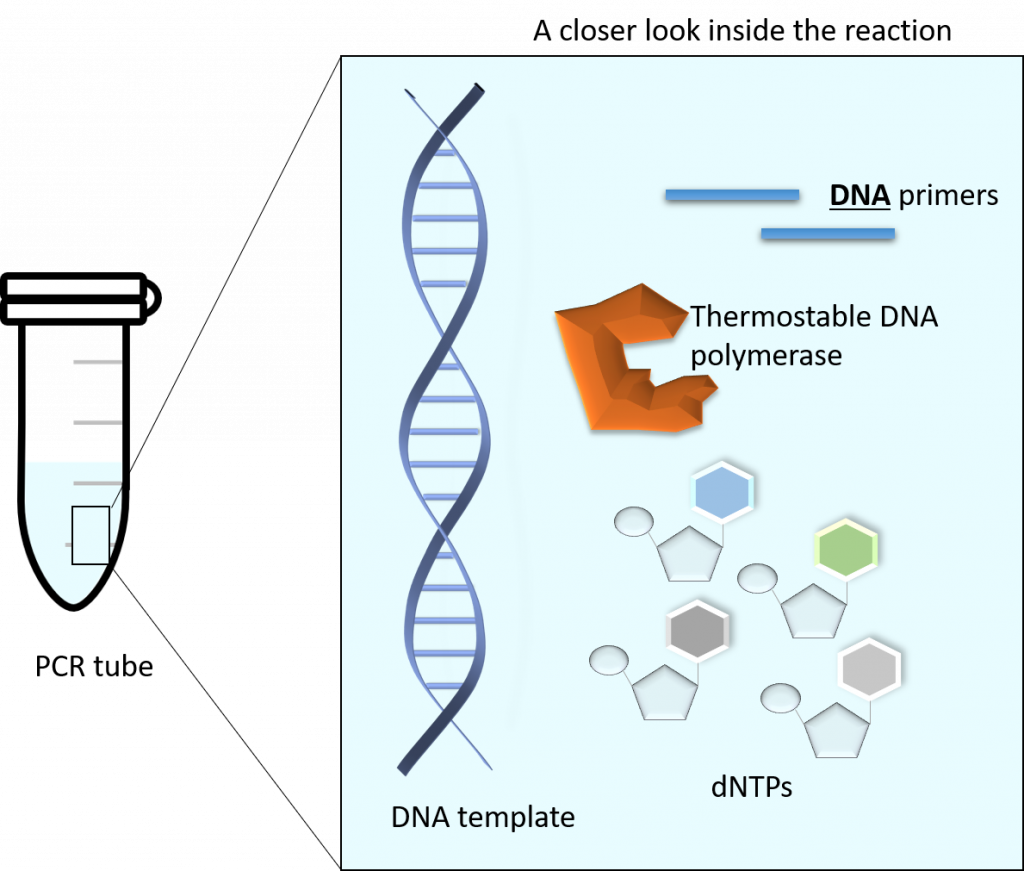
Chapter 1 Lab Overview and Background Information BBS OER Lab Manual

What Is The Template Of The Pcr

Pcr Template Concentration
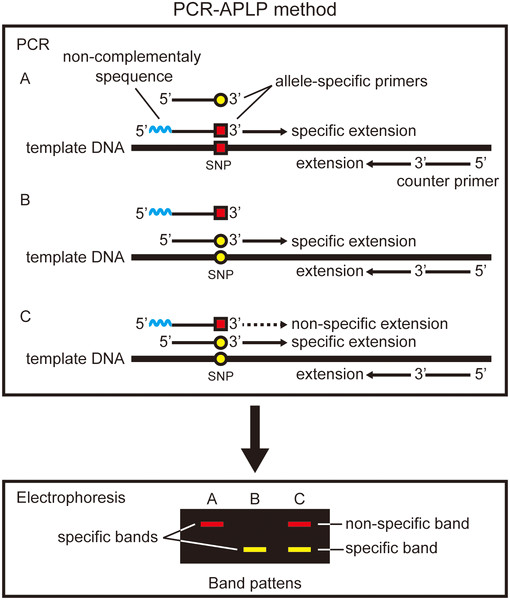
How Much Template Dna for Pcr
The Polymerase Chain Reaction (Pcr) Is Used To Make Numerous Copies Of A Specific Segment Of Dna Quickly And Accurately, Enabling Experiments In Molecular Biology, Forensic.
A Pcr (Polymerase Chain Reaction) Test Is A Lab Technique That Amplifies (Creates More Copies) Of Genetic Material (Dna).
Healthcare Providers Can Use Pcr To Test For Infectious Diseases,.
Related Post: