
Pto Agenda Template
Pto Agenda Template - Texas does not require private employers to. Paid time off, sometimes referred to as personal time off or pto, is a perk that employers offer to their staff members in which they pay them while they are away from the. If you take unpaid time off, that’s different. But it can also include other types of compensated. Paid time off (pto) refers to the time that you are paid for when you are not working. Texas doesn't mandate pto, but if your employer promises it, you may be entitled to a payout when you leave — here's what the law says. When your company gives you pto, they’re saying, “take this day off, and we’ll still pay you.” the key word here is paid. Paid time off (often referred to as “pto”) policies provide paid leave that can be used for a wide range of different uses including emergencies, illnesses, sudden necessities, planned vacations, etc. Paid time off (pto) is when your employer pays you to take time away from work. In this story, we look at how companies allocate pto among employees. Paid time off (often referred to as “pto”) policies provide paid leave that can be used for a wide range of different uses including emergencies, illnesses, sudden necessities, planned vacations, etc. Texas does not require private employers to. This includes a variety of situations such as. Paid time off (pto) refers to the time that you are paid for when. Pto usually means vacation time, sick leave, and personal time. Paid time off (pto) is when your employer pays you to take time away from work. Paid time off (pto) refers to the time that you are paid for when you are not working. Texas does not require private employers to. Workers typically accrue pto based on the amount of. Paid time off, often shortened to pto, is a policy that allows employees to take time away from work and still receive their regular pay. If you take unpaid time off, that’s different. But it can also include other types of compensated. Companies offer employees paid time off (pto) as a significant benefit, but how much do workers typically receive?. Paid time off, sometimes referred to as personal time off or pto, is a perk that employers offer to their staff members in which they pay them while they are away from the. Paid time off (pto) refers to the time that you are paid for when you are not working. Companies offer employees paid time off (pto) as a. Paid time off (pto) refers to the time that you are paid for when you are not working. Pto usually means vacation time, sick leave, and personal time. Paid time off (often referred to as “pto”) policies provide paid leave that can be used for a wide range of different uses including emergencies, illnesses, sudden necessities, planned vacations, etc. Companies. Texas doesn't mandate pto, but if your employer promises it, you may be entitled to a payout when you leave — here's what the law says. If you take unpaid time off, that’s different. Pto includes paid vacation, sick time, holidays and personal time all wrapped up into one category that. Workers typically accrue pto based on the amount of. Paid time off (pto) refers to the time that you are paid for when you are not working. Pto usually means vacation time, sick leave, and personal time. Texas doesn't mandate pto, but if your employer promises it, you may be entitled to a payout when you leave — here's what the law says. Paid time off (pto) is when. In this story, we look at how companies allocate pto among employees. Texas does not require private employers to. Pto includes paid vacation, sick time, holidays and personal time all wrapped up into one category that. Paid time off (pto) is an employee benefit that combines vacation days, sick days and personal days into one policy. But it can also. Texas doesn't mandate pto, but if your employer promises it, you may be entitled to a payout when you leave — here's what the law says. But it can also include other types of compensated. Paid time off, sometimes referred to as personal time off or pto, is a perk that employers offer to their staff members in which they. Paid time off (pto) is an employee benefit that combines vacation days, sick days and personal days into one policy. If you take unpaid time off, that’s different. Paid time off, often shortened to pto, is a policy that allows employees to take time away from work and still receive their regular pay. Workers typically accrue pto based on the. Paid time off (often referred to as “pto”) policies provide paid leave that can be used for a wide range of different uses including emergencies, illnesses, sudden necessities, planned vacations, etc. Workers typically accrue pto based on the amount of hours. When your company gives you pto, they’re saying, “take this day off, and we’ll still pay you.” the key. Paid time off (often referred to as “pto”) policies provide paid leave that can be used for a wide range of different uses including emergencies, illnesses, sudden necessities, planned vacations, etc. Paid time off (pto) is an employee benefit that combines vacation days, sick days and personal days into one policy. Texas does not require private employers to. Pto includes. Paid time off (pto) is an employee benefit that combines vacation days, sick days and personal days into one policy. When your company gives you pto, they’re saying, “take this day off, and we’ll still pay you.” the key word here is paid. Pto usually means vacation time, sick leave, and personal time. Pto includes paid vacation, sick time, holidays. Texas doesn't mandate pto, but if your employer promises it, you may be entitled to a payout when you leave — here's what the law says. Paid time off, sometimes referred to as personal time off or pto, is a perk that employers offer to their staff members in which they pay them while they are away from the. This. In this story, we look at how companies allocate pto among employees. Companies offer employees paid time off (pto) as a significant benefit, but how much do workers typically receive? This includes a variety of situations such as. Paid time off (pto) is an employee benefit that combines vacation days, sick days and personal days into one policy. When your. Texas doesn't mandate pto, but if your employer promises it, you may be entitled to a payout when you leave — here's what the law says. But it can also include other types of compensated. Paid time off, often shortened to pto, is a policy that allows employees to take time away from work and still receive their regular pay.. Paid time off (pto) refers to the time that you are paid for when you are not working. Texas does not require private employers to. Pto usually means vacation time, sick leave, and personal time. Texas doesn't mandate pto, but if your employer promises it, you may be entitled to a payout when you leave — here's what the law. Paid time off (often referred to as “pto”) policies provide paid leave that can be used for a wide range of different uses including emergencies, illnesses, sudden necessities, planned vacations, etc. Paid time off, sometimes referred to as personal time off or pto, is a perk that employers offer to their staff members in which they pay them while they. Texas doesn't mandate pto, but if your employer promises it, you may be entitled to a payout when you leave — here's what the law says. Paid time off, often shortened to pto, is a policy that allows employees to take time away from work and still receive their regular pay. In this story, we look at how companies allocate. Paid time off (pto) is an employee benefit that combines vacation days, sick days and personal days into one policy. This includes a variety of situations such as. Texas does not require private employers to. Texas doesn't mandate pto, but if your employer promises it, you may be entitled to a payout when you leave — here's what the law. Paid time off (often referred to as “pto”) policies provide paid leave that can be used for a wide range of different uses including emergencies, illnesses, sudden necessities, planned vacations, etc. Pto includes paid vacation, sick time, holidays and personal time all wrapped up into one category that. Paid time off (pto) refers to the time that you are paid. But it can also include other types of compensated. When your company gives you pto, they’re saying, “take this day off, and we’ll still pay you.” the key word here is paid. Texas doesn't mandate pto, but if your employer promises it, you may be entitled to a payout when you leave — here's what the law says. Paid time. Paid time off (pto) refers to the time that you are paid for when you are not working. This includes a variety of situations such as. Pto includes paid vacation, sick time, holidays and personal time all wrapped up into one category that. When your company gives you pto, they’re saying, “take this day off, and we’ll still pay you.”. In this story, we look at how companies allocate pto among employees. Paid time off, sometimes referred to as personal time off or pto, is a perk that employers offer to their staff members in which they pay them while they are away from the. Pto includes paid vacation, sick time, holidays and personal time all wrapped up into one. But it can also include other types of compensated. Texas doesn't mandate pto, but if your employer promises it, you may be entitled to a payout when you leave — here's what the law says. When your company gives you pto, they’re saying, “take this day off, and we’ll still pay you.” the key word here is paid. Pto usually. In this story, we look at how companies allocate pto among employees. Texas doesn't mandate pto, but if your employer promises it, you may be entitled to a payout when you leave — here's what the law says. Paid time off (pto) is when your employer pays you to take time away from work. Texas does not require private employers. If you take unpaid time off, that’s different. Paid time off, sometimes referred to as personal time off or pto, is a perk that employers offer to their staff members in which they pay them while they are away from the. In this story, we look at how companies allocate pto among employees. Companies offer employees paid time off (pto). Paid time off (pto) refers to the time that you are paid for when you are not working. Pto includes paid vacation, sick time, holidays and personal time all wrapped up into one category that. Texas doesn't mandate pto, but if your employer promises it, you may be entitled to a payout when you leave — here's what the law. But it can also include other types of compensated. Texas does not require private employers to. Paid time off (pto) is when your employer pays you to take time away from work. Texas doesn't mandate pto, but if your employer promises it, you may be entitled to a payout when you leave — here's what the law says. Paid time. Workers typically accrue pto based on the amount of hours. When your company gives you pto, they’re saying, “take this day off, and we’ll still pay you.” the key word here is paid. Paid time off, sometimes referred to as personal time off or pto, is a perk that employers offer to their staff members in which they pay them. Paid time off (often referred to as “pto”) policies provide paid leave that can be used for a wide range of different uses including emergencies, illnesses, sudden necessities, planned vacations, etc. In this story, we look at how companies allocate pto among employees. Paid time off (pto) is an employee benefit that combines vacation days, sick days and personal days. When your company gives you pto, they’re saying, “take this day off, and we’ll still pay you.” the key word here is paid. Paid time off, often shortened to pto, is a policy that allows employees to take time away from work and still receive their regular pay. But it can also include other types of compensated. Pto includes paid. Texas doesn't mandate pto, but if your employer promises it, you may be entitled to a payout when you leave — here's what the law says. Paid time off (pto) refers to the time that you are paid for when you are not working. If you take unpaid time off, that’s different. Pto usually means vacation time, sick leave, and. Paid time off, often shortened to pto, is a policy that allows employees to take time away from work and still receive their regular pay. Texas does not require private employers to. Pto usually means vacation time, sick leave, and personal time. When your company gives you pto, they’re saying, “take this day off, and we’ll still pay you.” the. Pto usually means vacation time, sick leave, and personal time. If you take unpaid time off, that’s different. Workers typically accrue pto based on the amount of hours. But it can also include other types of compensated. Pto includes paid vacation, sick time, holidays and personal time all wrapped up into one category that. Paid time off, sometimes referred to as personal time off or pto, is a perk that employers offer to their staff members in which they pay them while they are away from the. Texas does not require private employers to. Pto includes paid vacation, sick time, holidays and personal time all wrapped up into one category that. Pto usually means vacation time, sick leave, and personal time. This includes a variety of situations such as. Companies offer employees paid time off (pto) as a significant benefit, but how much do workers typically receive? Paid time off (pto) is an employee benefit that combines vacation days, sick days and personal days into one policy. Workers typically accrue pto based on the amount of hours. If you take unpaid time off, that’s different. In this story, we look at how companies allocate pto among employees. But it can also include other types of compensated. When your company gives you pto, they’re saying, “take this day off, and we’ll still pay you.” the key word here is paid. Paid time off (often referred to as “pto”) policies provide paid leave that can be used for a wide range of different uses including emergencies, illnesses, sudden necessities, planned vacations, etc.
Meeting Agenda Bundle by PTO Templates TPT

Meeting Agenda Template Editable Full Year Seasonal Handout Bundle
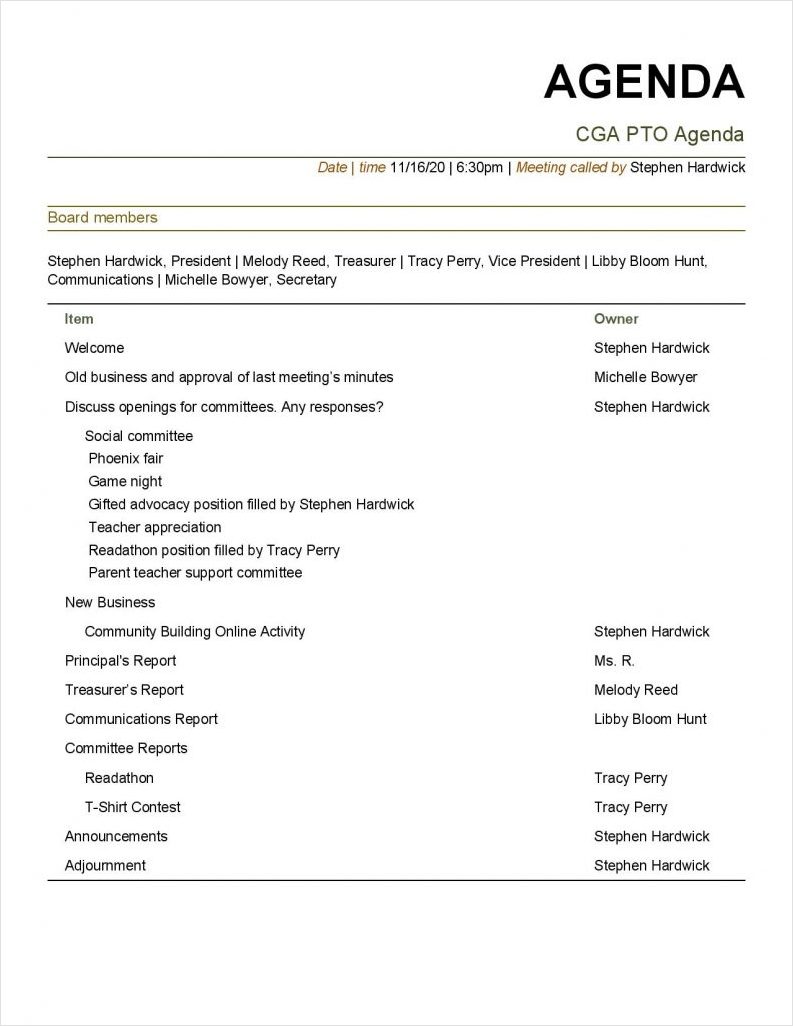
Free Printable PTO Meeting Agenda Template

Meeting Agenda Bundle by PTO Templates TPT
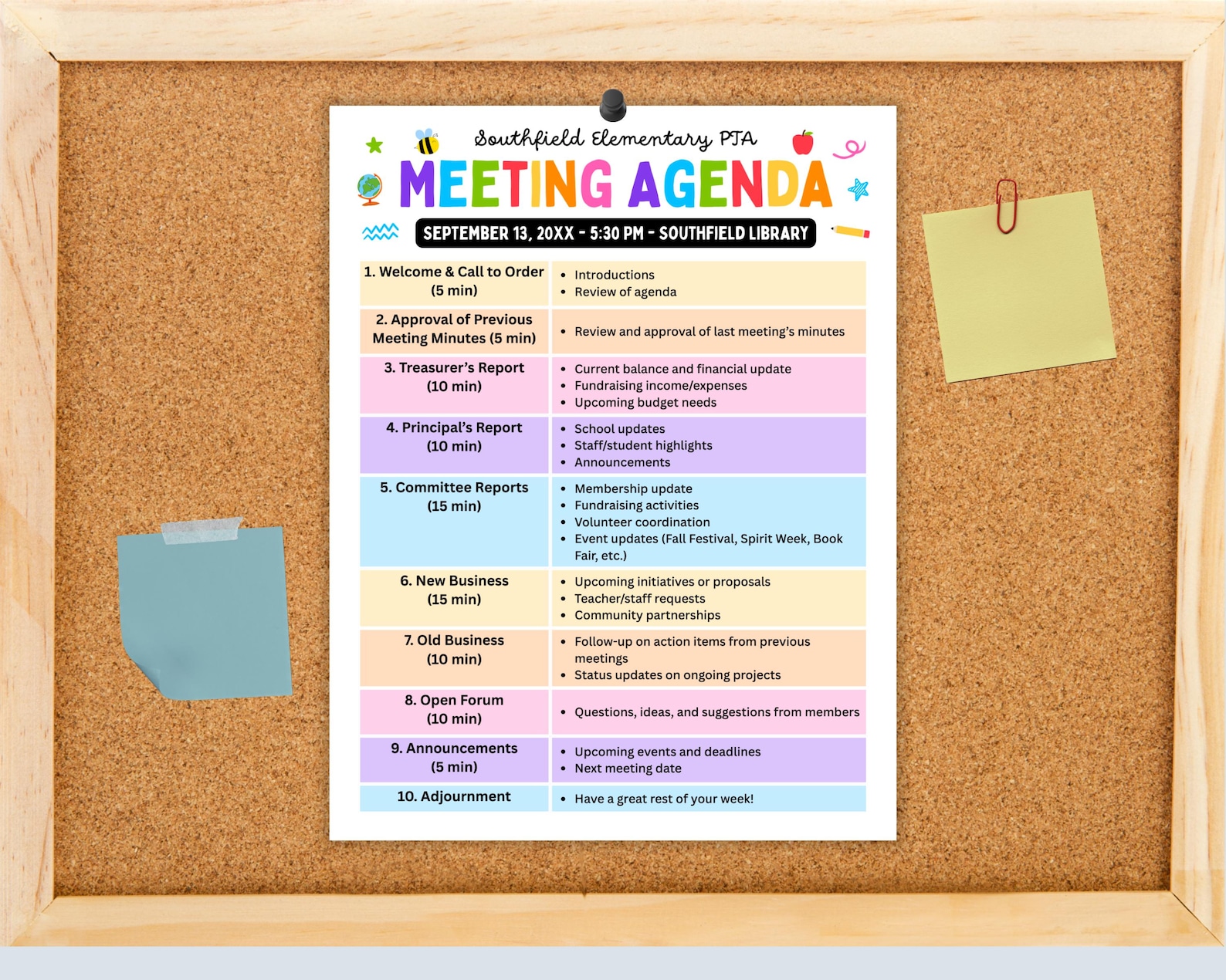
PTO PTA Meeting Agenda Editable Outline Template (canva Download) Etsy
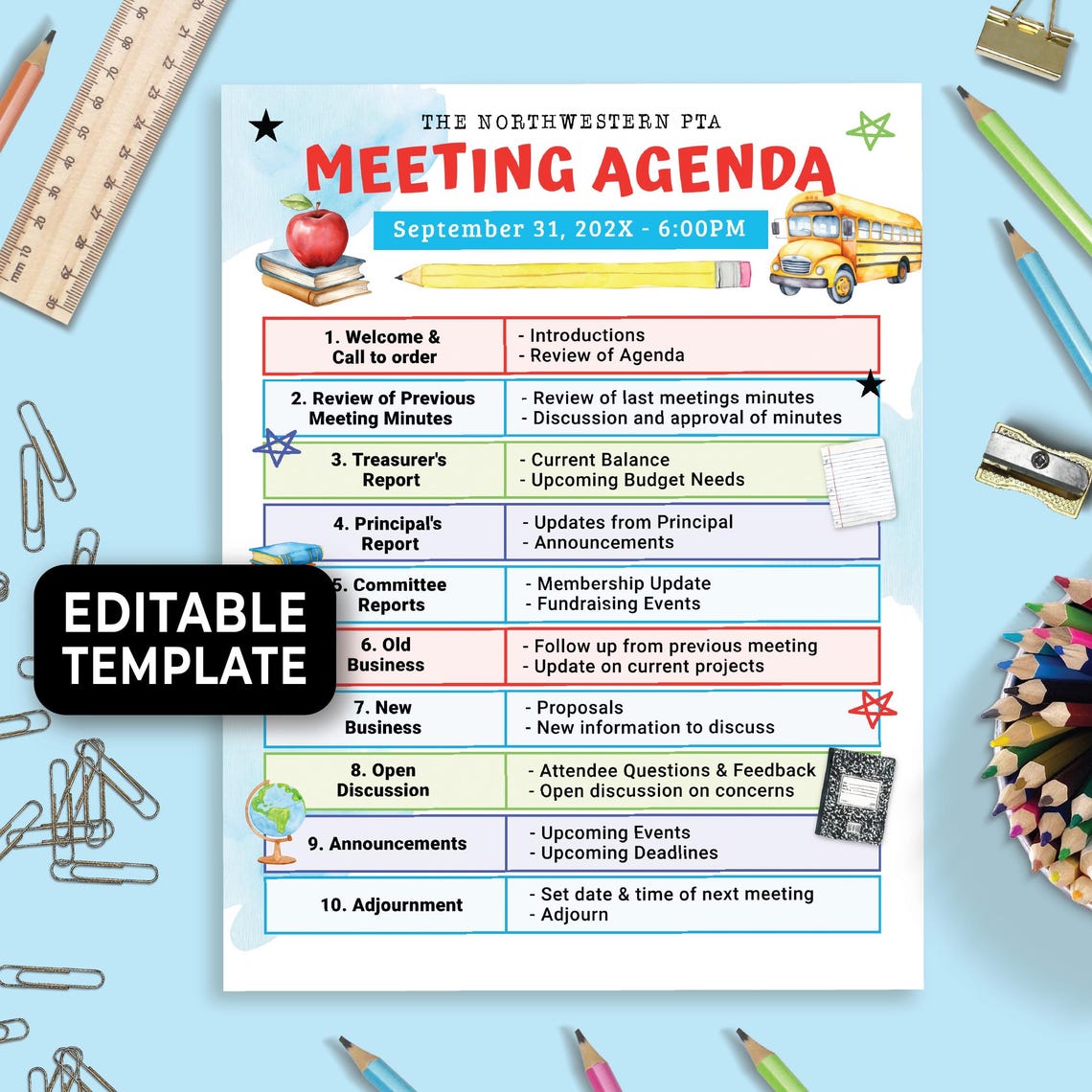
Editable PTO PTA Meeting Agenda Template Flyer 299HL Etsy

PTO Executive Board Meeting Agenda in Green and Yellow

Pto Meeting Agenda Template Word Sample Meeting Agenda Fremantle
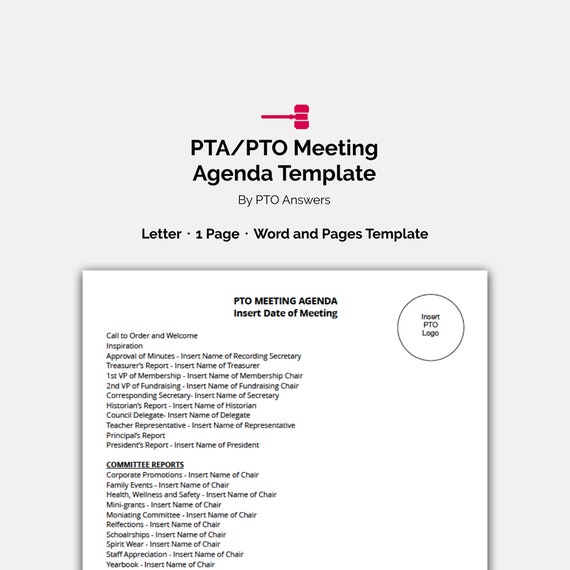
Meeting Agenda Template PDF Template

Agenda Template, PTO, PTA, Meeting, Minutes, Canva Template, School

Pto Agenda Template Printable And Enjoyable Learning
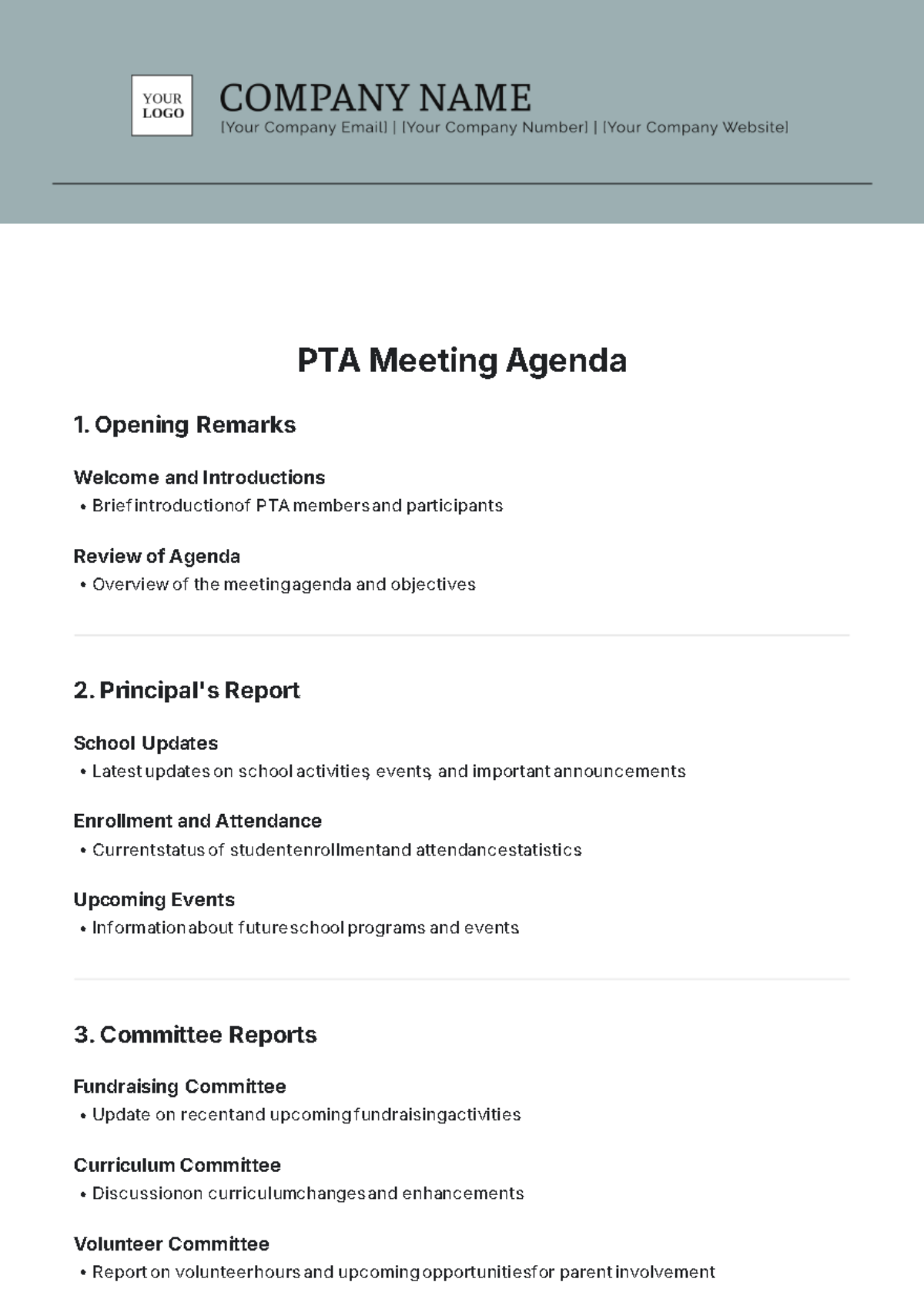
Free PTA Meeting Agenda Template to Edit Online
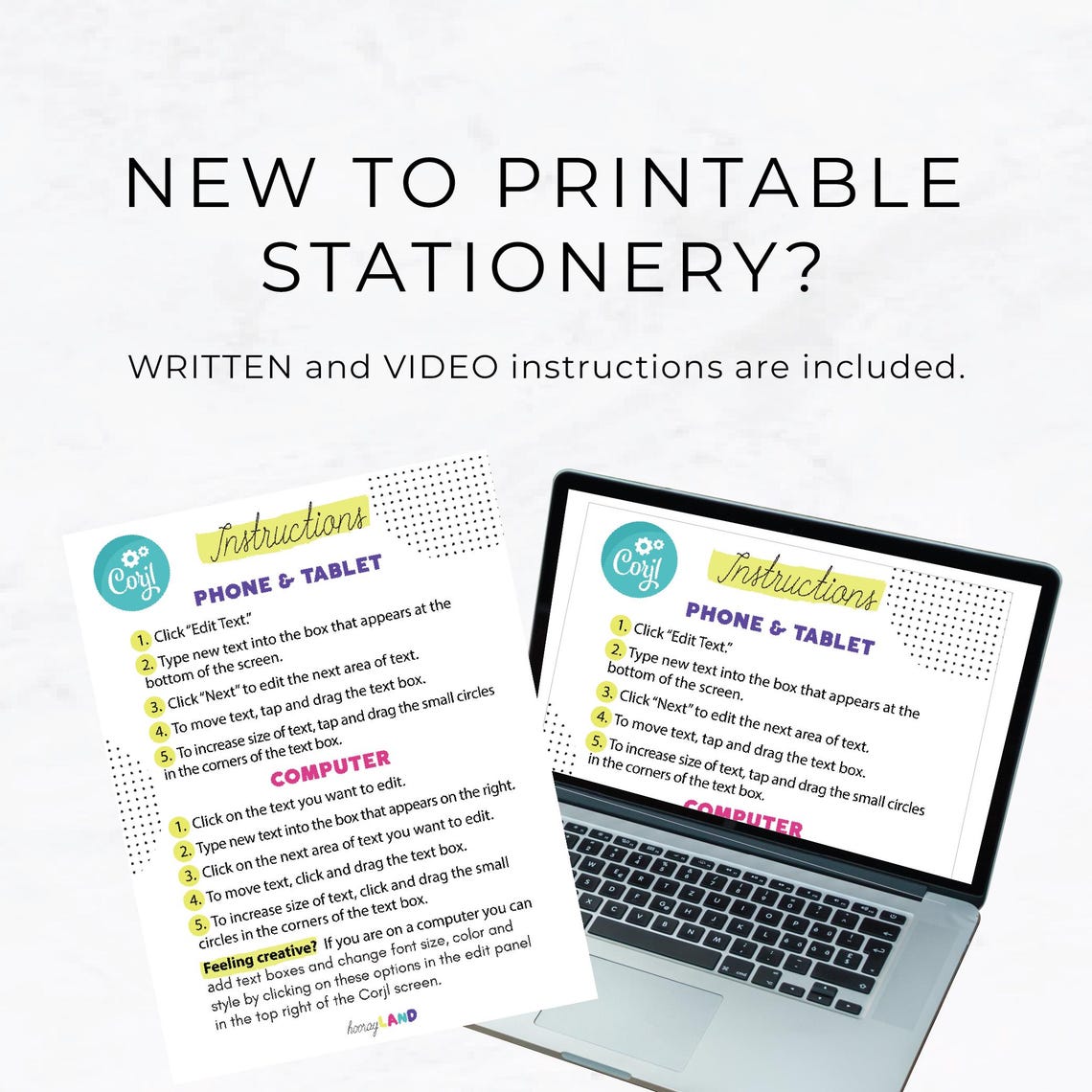
Editable PTO PTA Meeting Agenda Template Flyer 299HL Etsy
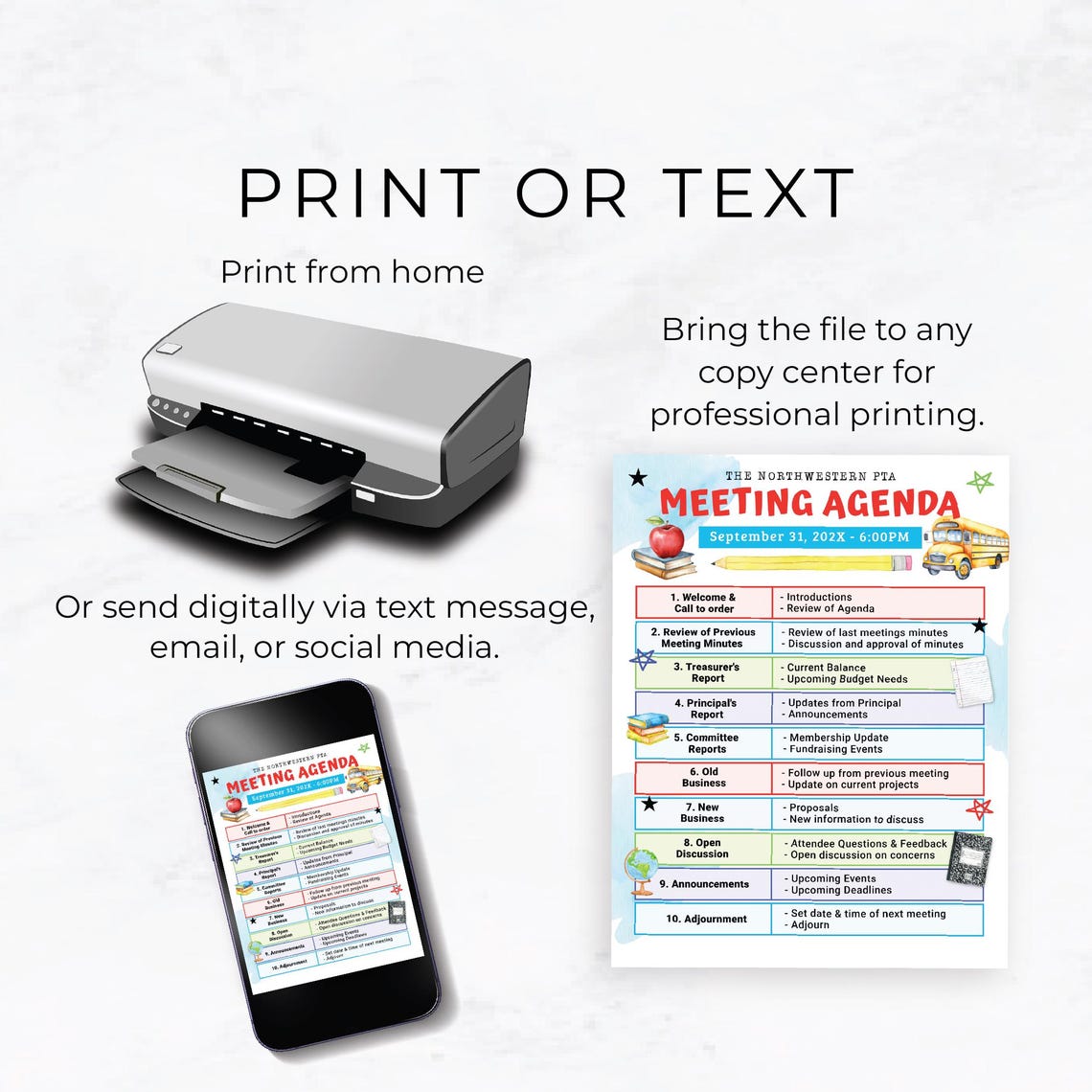
Editable PTO PTA Meeting Agenda Template Flyer 299HL Etsy

Meeting Agenda Bundle by PTO Templates TPT

PtoTemplates
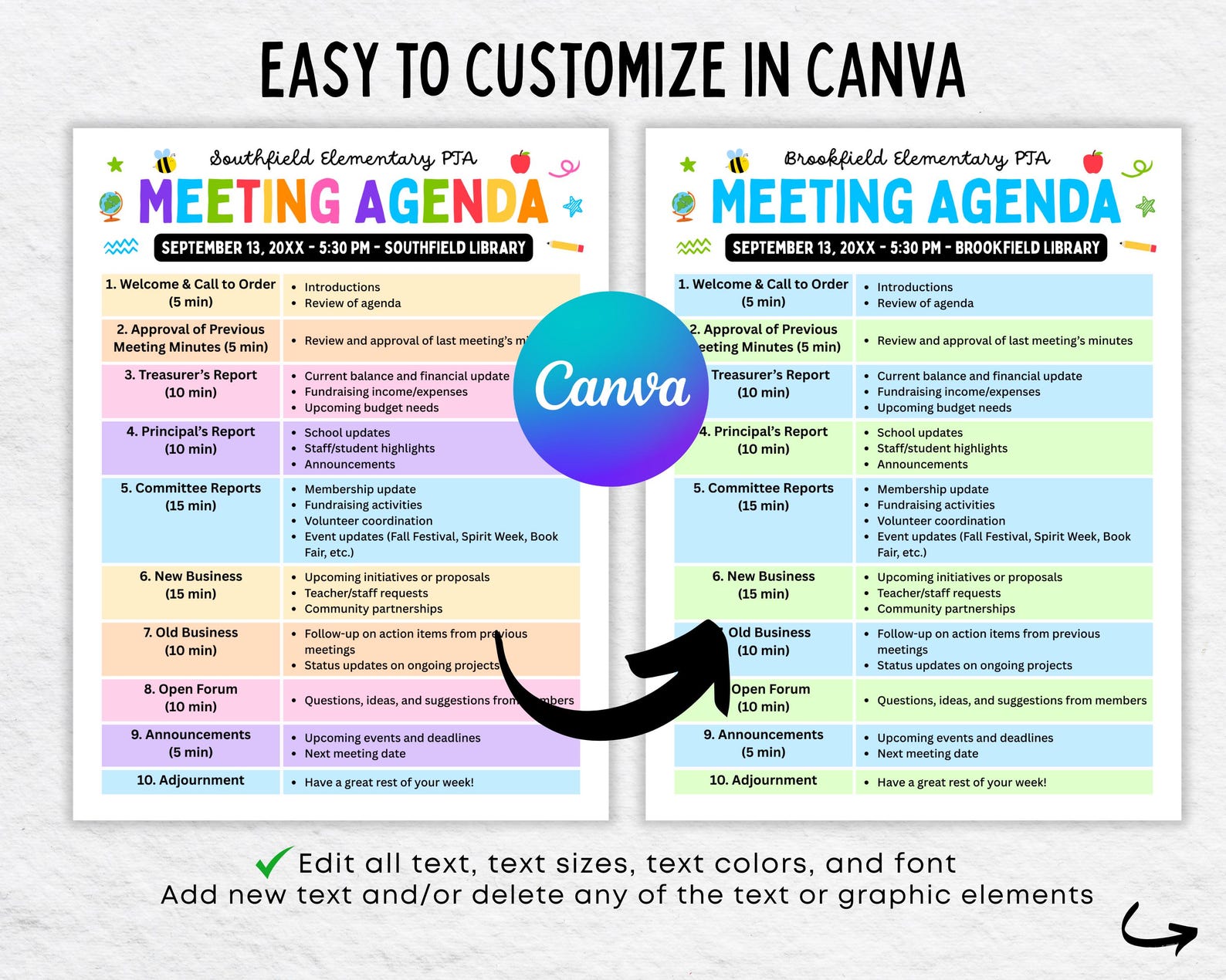
PTO PTA Meeting Agenda Editable Outline Template (canva Download) Etsy

Editable PTO PTA Meeting Agenda Template Flyer 299HL Etsy
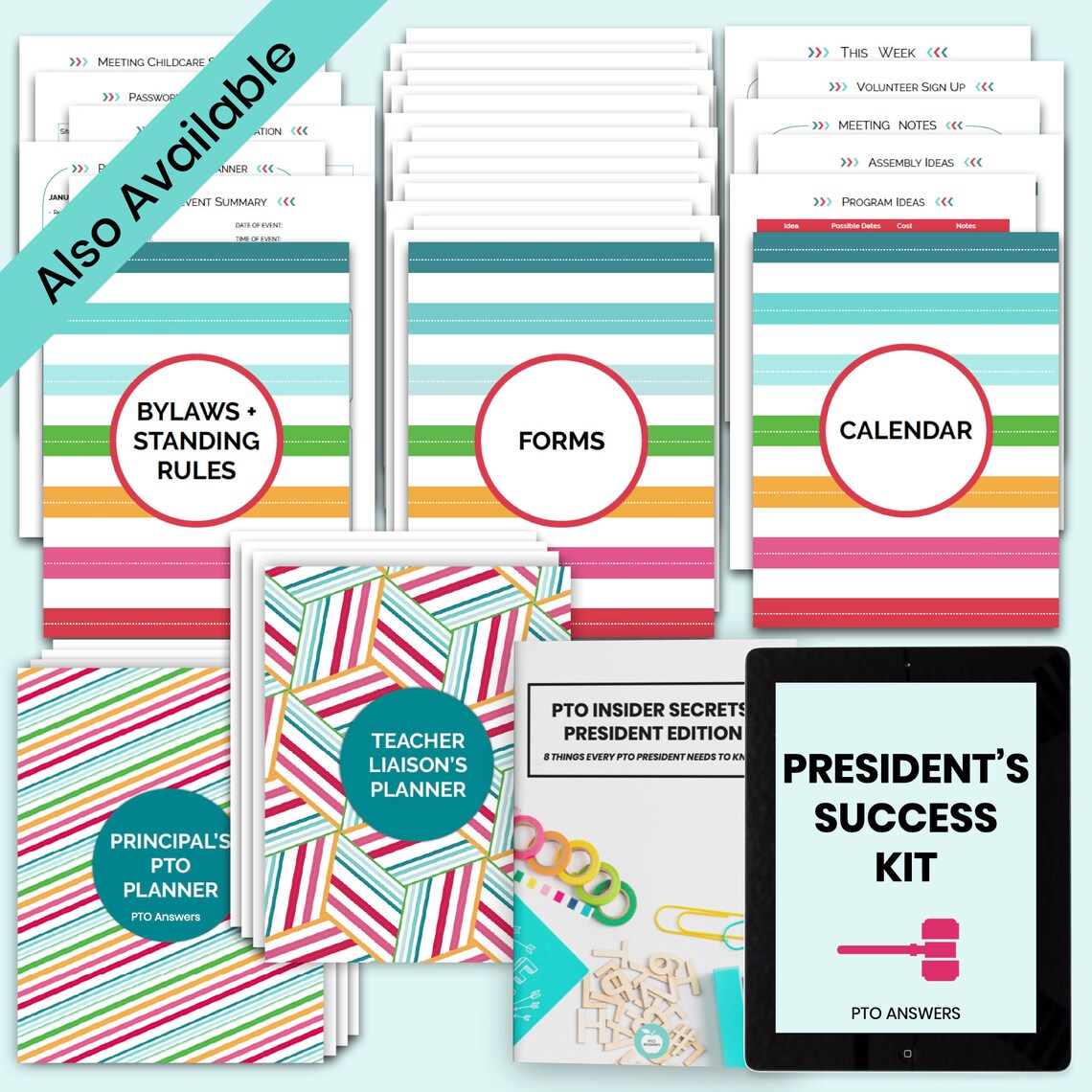
Meeting Agenda Template Fully Editable Instant Download for PTO / PTA

Agenda Template, PTO, PTA, Meeting, Minutes, Canva Template, School

Pto Meeting Agenda Template AT A GLANCE
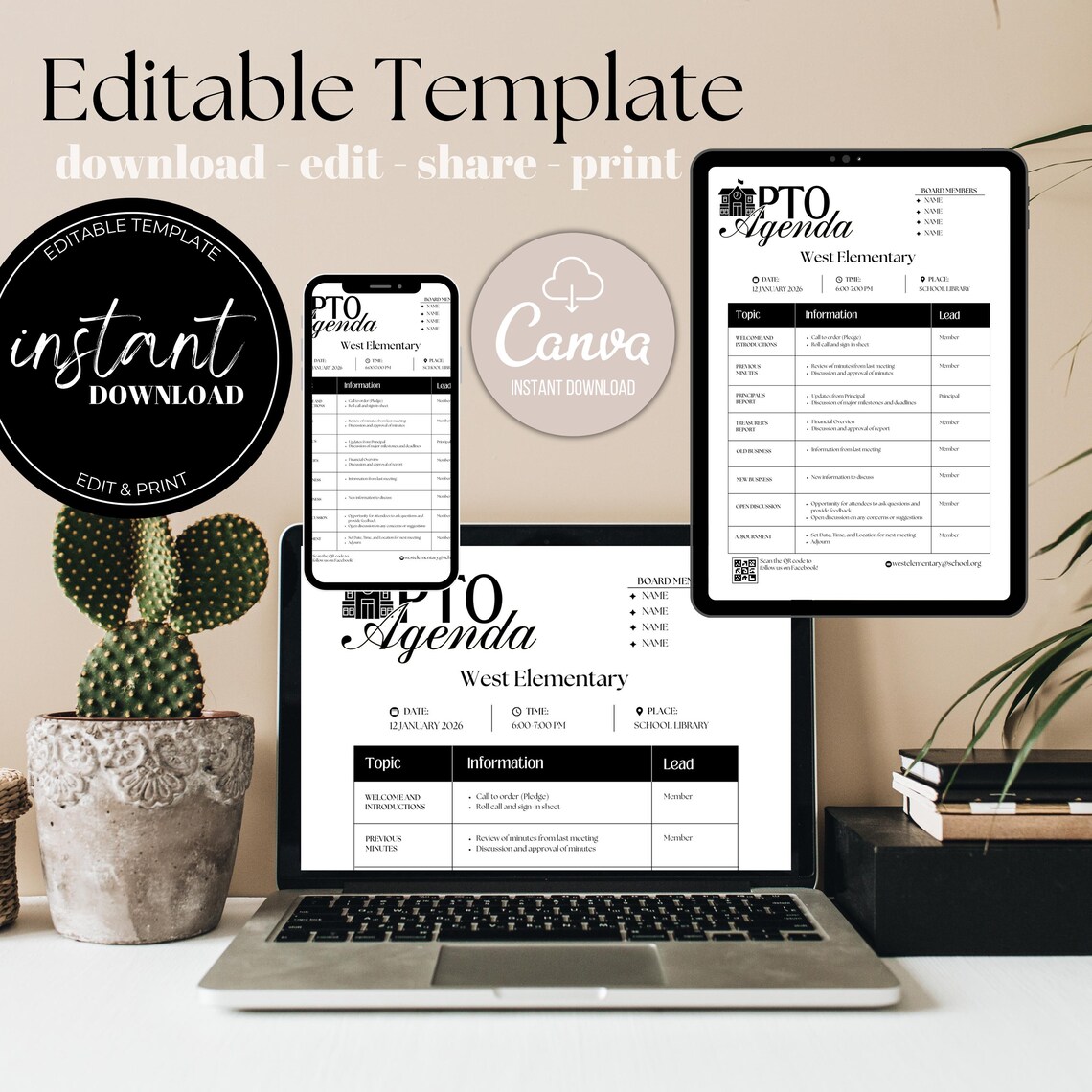
Agenda Template, PTO, PTA, Meeting, Minutes, Canva Template, School
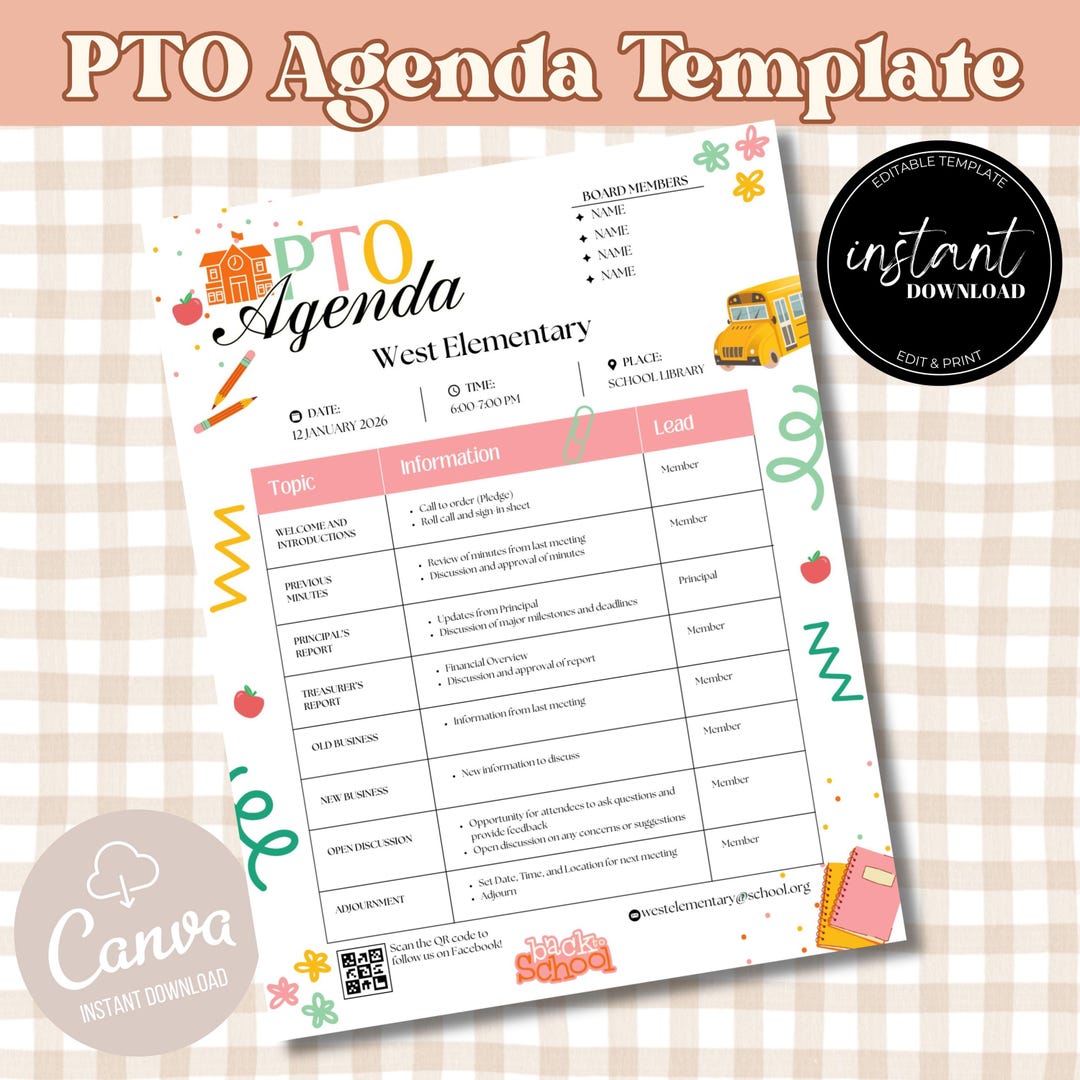
Agenda Template, PTO, PTA, Meeting, Minutes, Canva Template, School
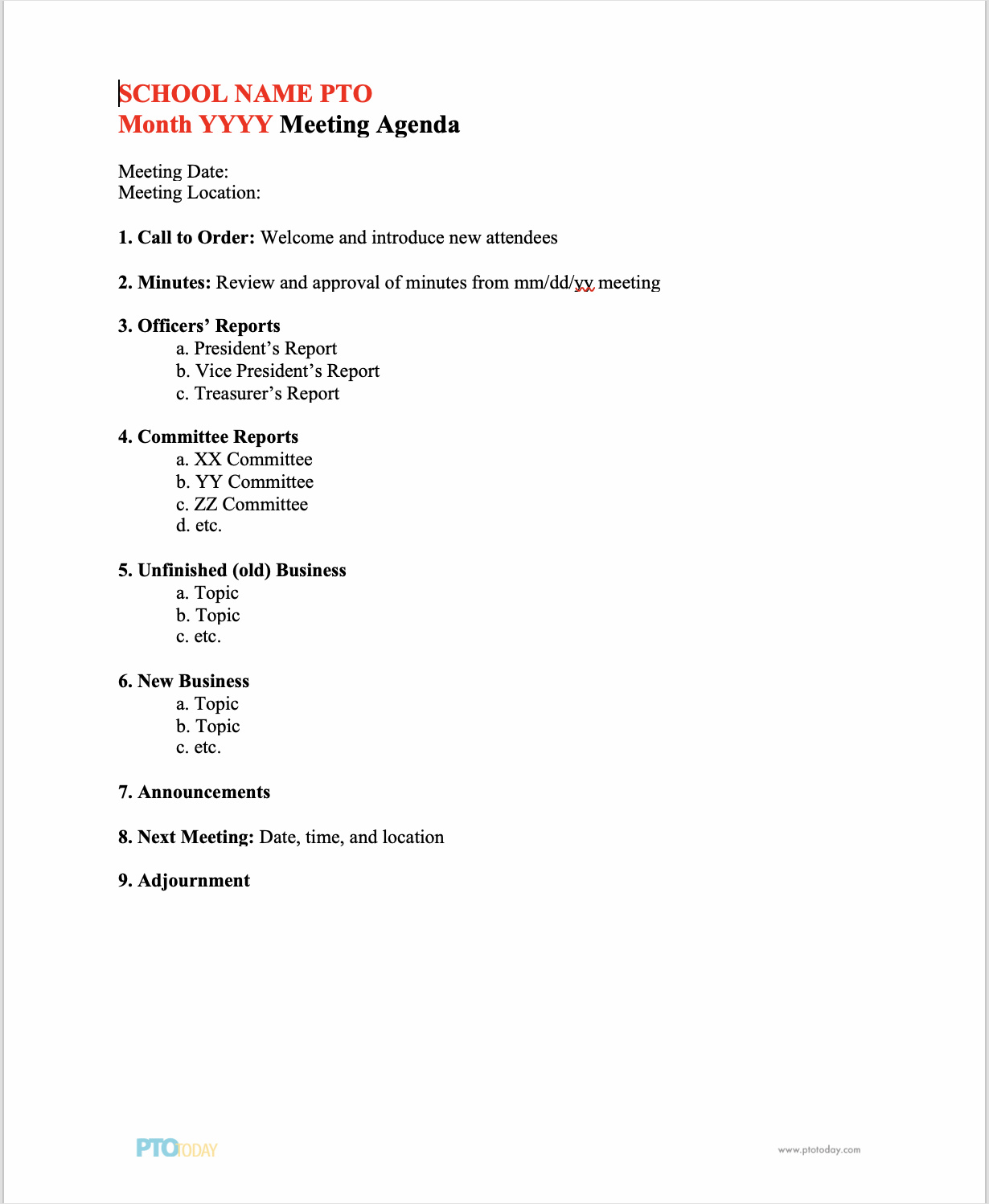
Free Printable PTO Meeting Agenda Template
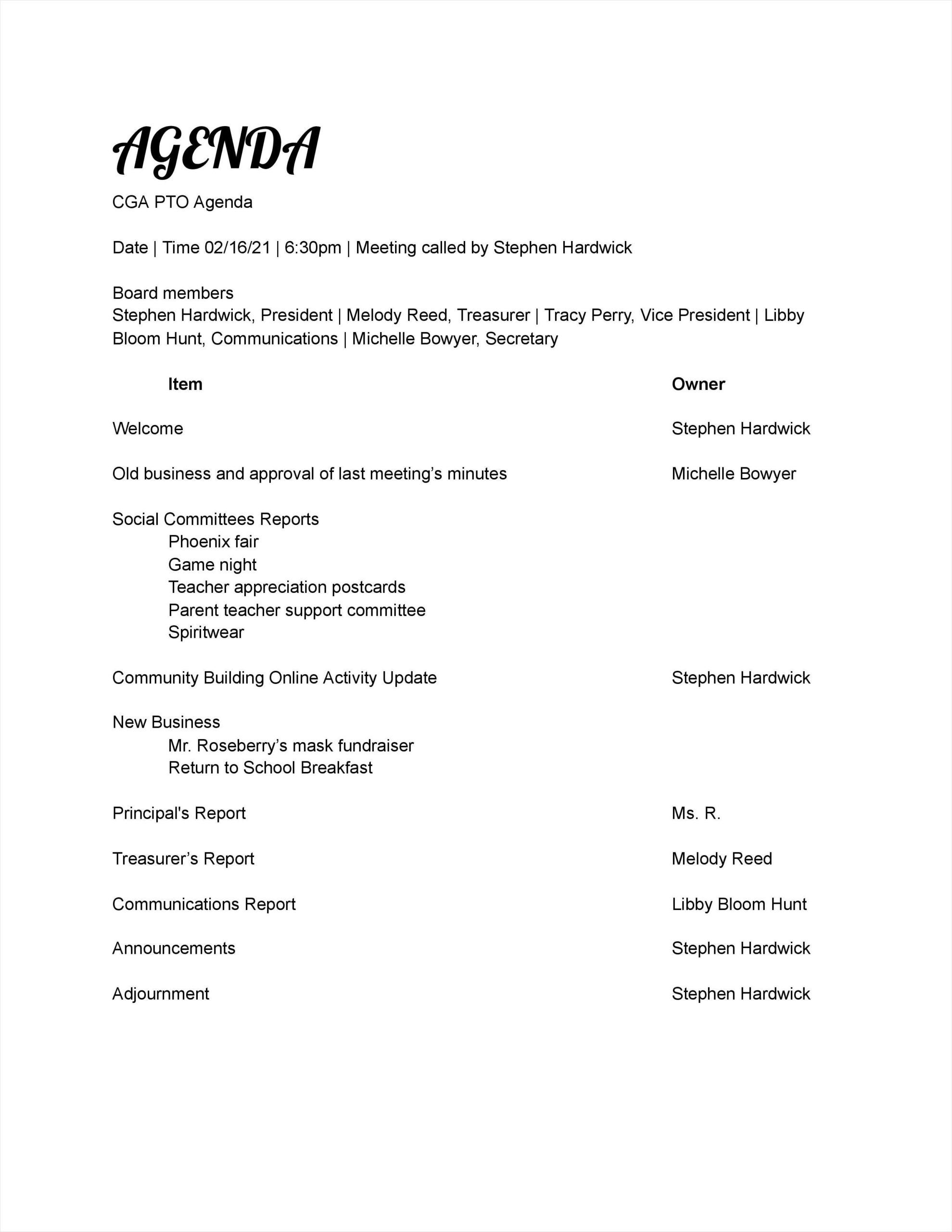
Free Printable PTO Meeting Agenda Template

Editable PTO PTA Meeting Agenda Template Flyer 299HL Etsy
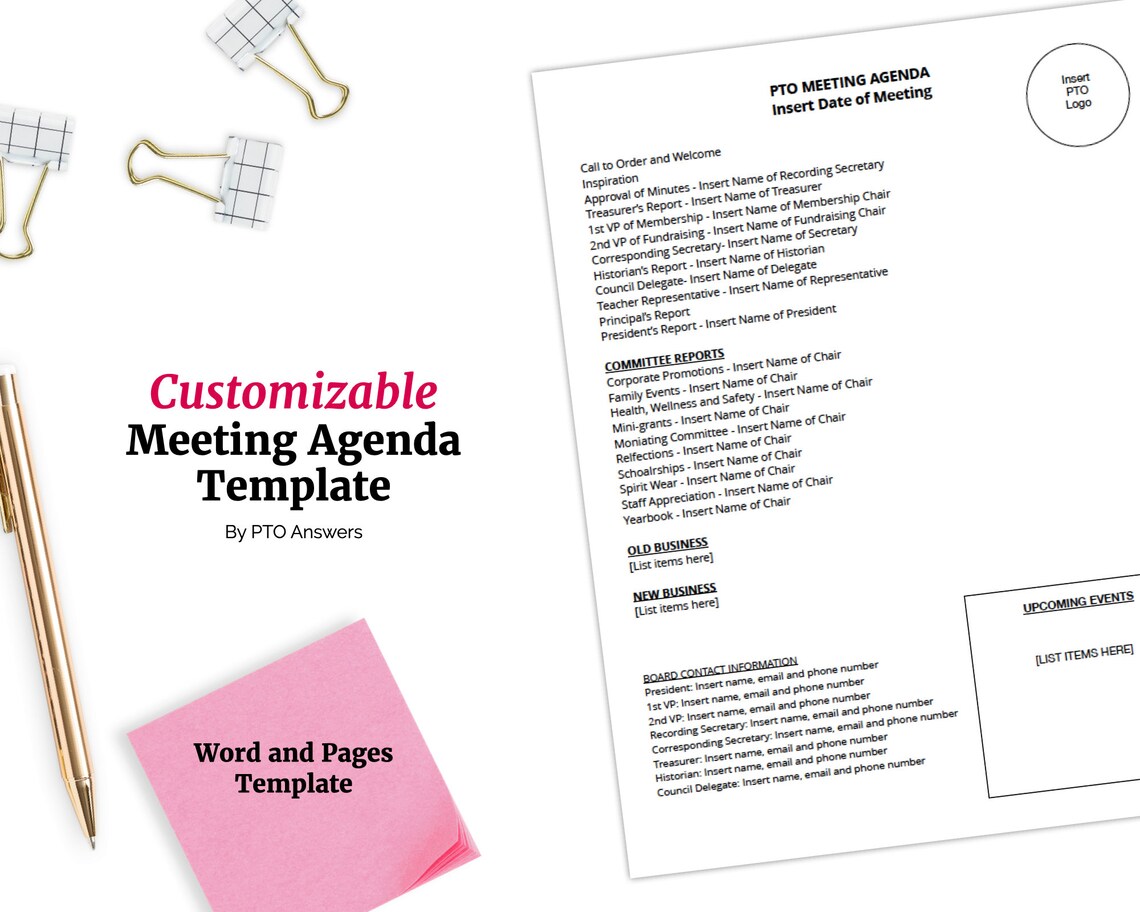
Meeting Agenda Template Fully Editable Instant Download for Etsy

Pto Agenda Template Printable And Enjoyable Learning
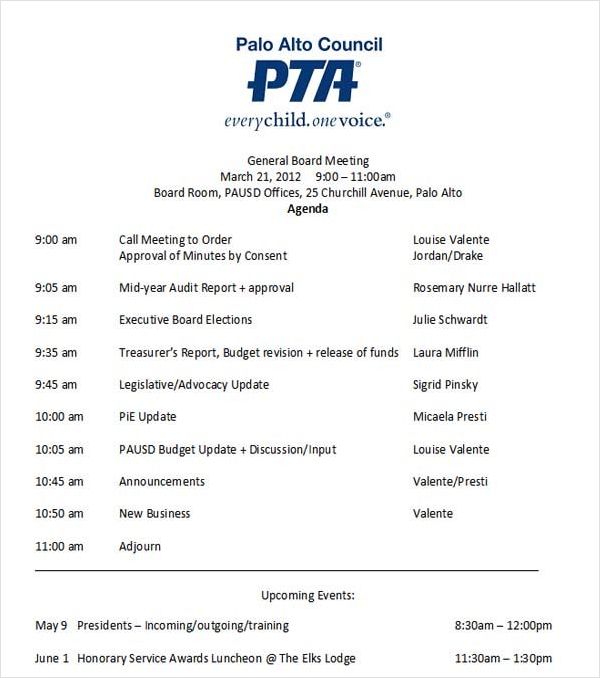
Free Printable PTO Meeting Agenda Template

Pto Meeting Agenda Template Content Calendar Template
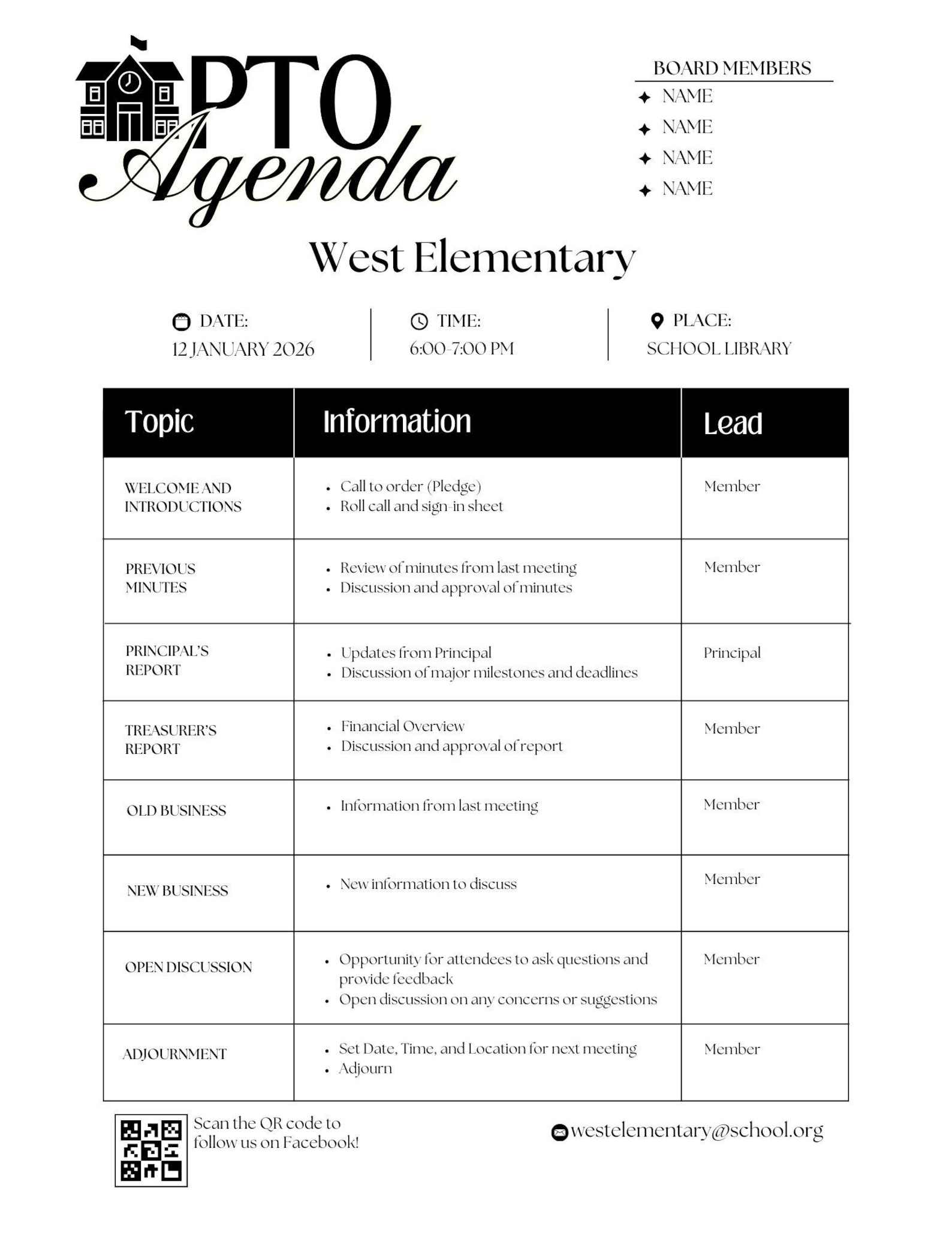
Agenda Template, PTO, PTA, Meeting, Minutes, Canva Template, School
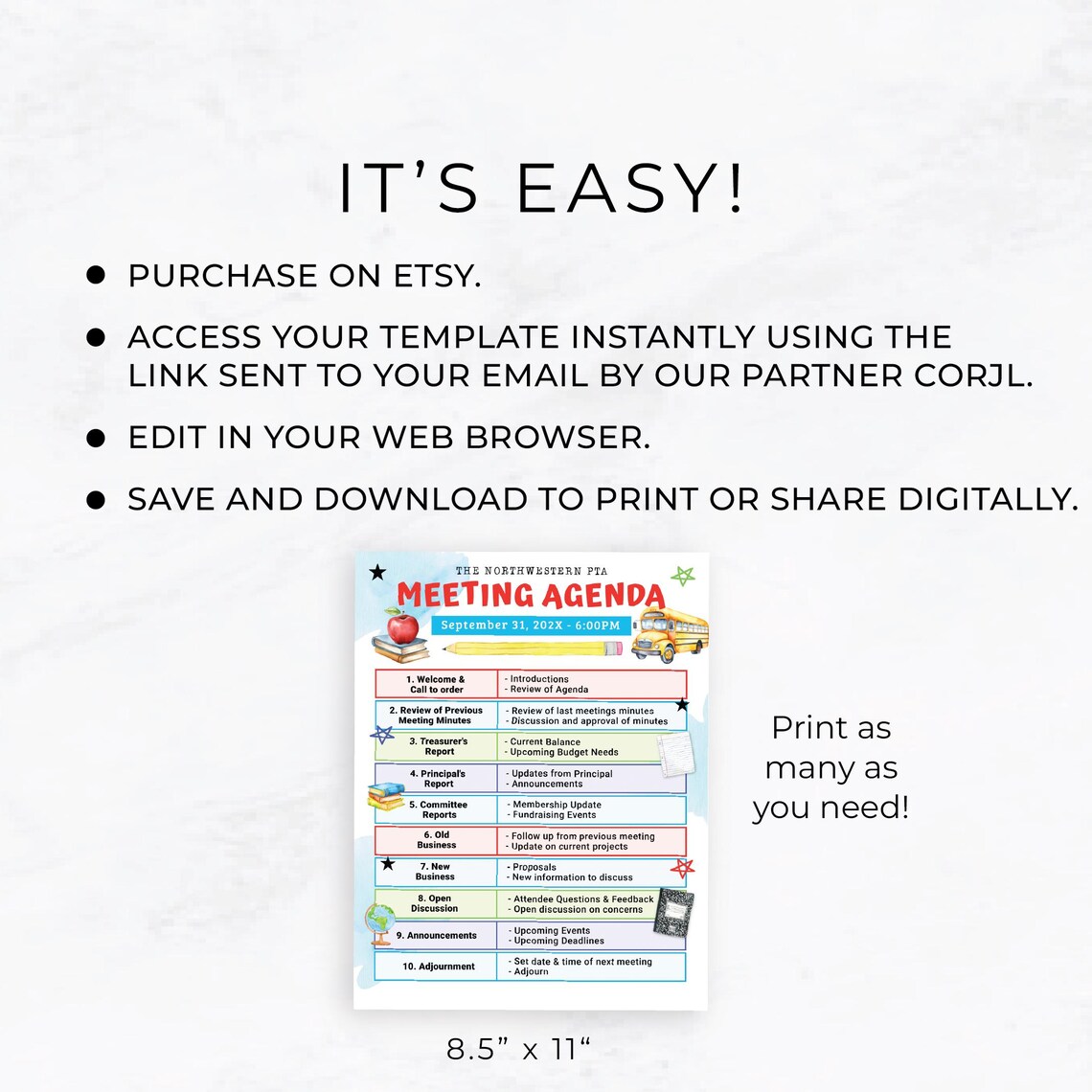
Editable PTO PTA Meeting Agenda Template Flyer 299HL Etsy

PTO PTA Meeting Agenda Editable Outline Template (canva Download) Etsy
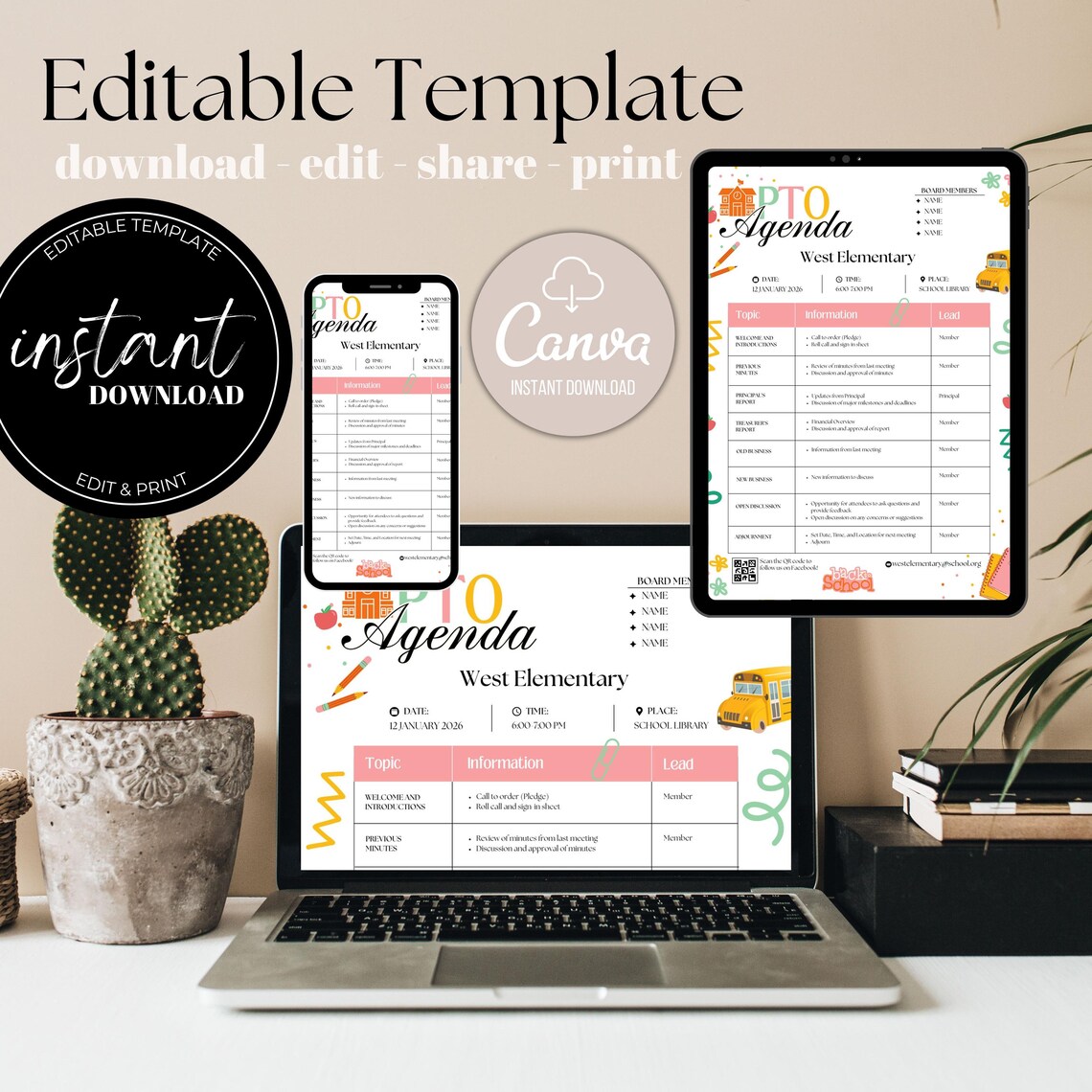
Agenda Template, PTO, PTA, Meeting, Minutes, Canva Template, School
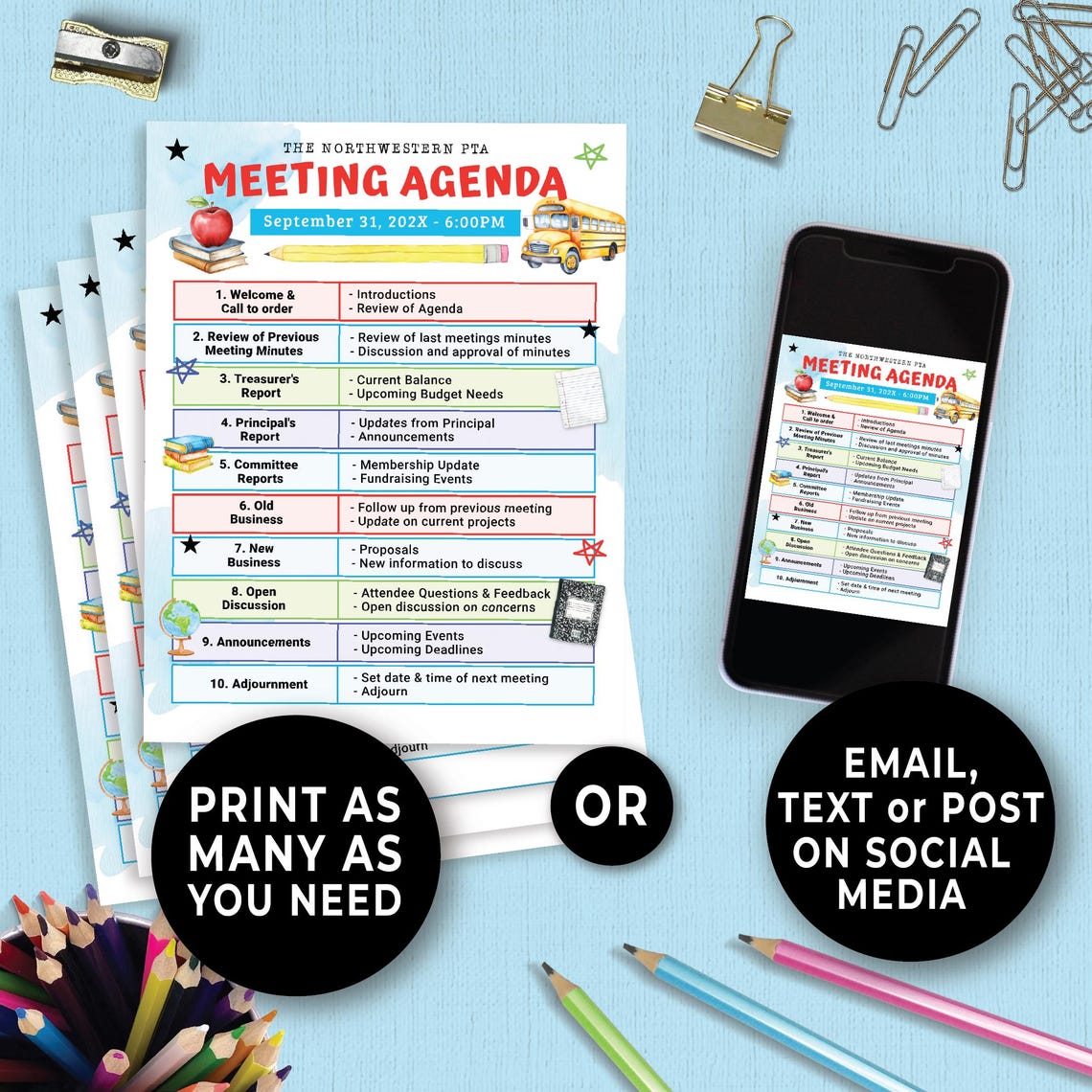
Editable PTO PTA Meeting Agenda Template Flyer 299HL Etsy
Paid Time Off (Pto) Refers To The Time That You Are Paid For When You Are Not Working.
Paid Time Off, Often Shortened To Pto, Is A Policy That Allows Employees To Take Time Away From Work And Still Receive Their Regular Pay.
Texas Doesn't Mandate Pto, But If Your Employer Promises It, You May Be Entitled To A Payout When You Leave — Here's What The Law Says.
Paid Time Off (Pto) Is When Your Employer Pays You To Take Time Away From Work.
Related Post: