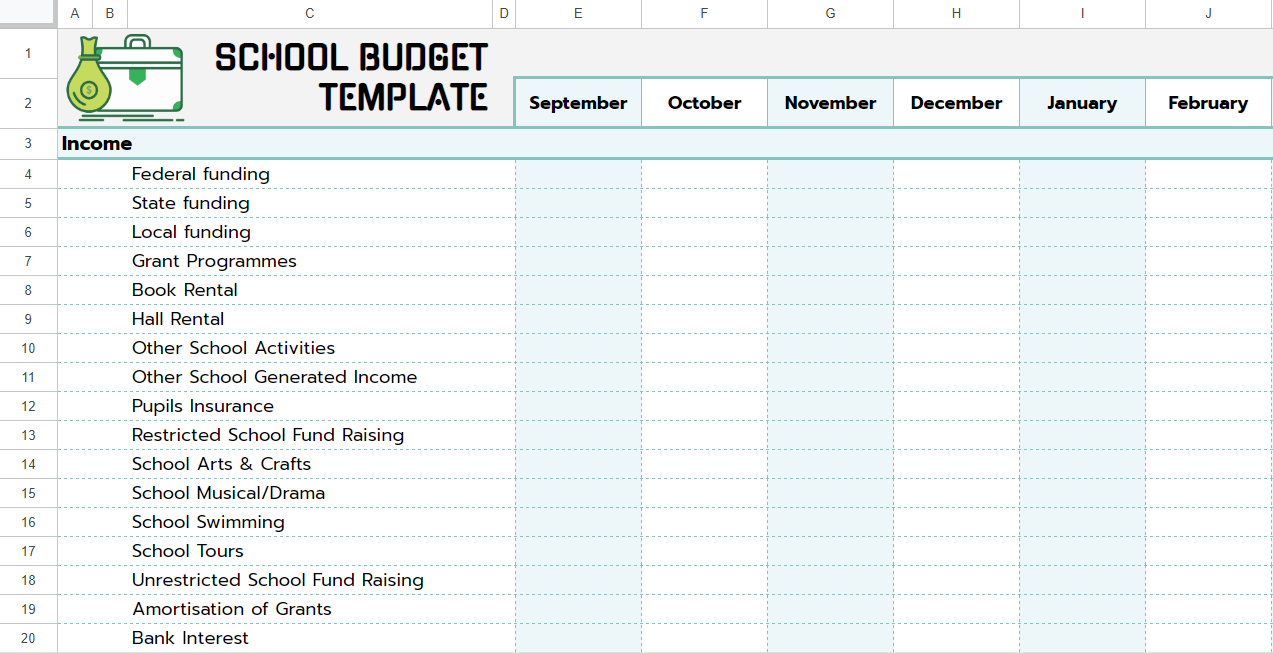
Pto Budget Template
Pto Budget Template - Pto stands for paid time off — time an employee can take away from work while still receiving pay. What does pto stand for? Pto stands for paid time off, a workplace benefit that allows employees to take time away from work while continuing to receive their regular pay. But it can also include other types of compensated. Paid time off (often referred to as “pto”) policies provide paid leave that can be used for a wide range of different uses including emergencies, illnesses, sudden necessities, planned vacations, etc. Paid time off (pto) is when your employer pays you to take time away from work. Paid time off can refer to any paid leave program, while the pto abbreviation generally refers to a type of policy where all paid leave is bundled together into a predetermined number of days. Pto usually means vacation time, sick leave, and personal time. Paid time off (pto) is an employee benefit that combines vacation days, sick days and personal days into one policy. Pto includes paid vacation, sick time, holidays and personal time all wrapped up into one category that. Paid time off (pto) is an employee benefit that combines vacation days, sick days and personal days into one policy. Paid time off (pto) refers to the time that you are paid for when you are not working. Pto stands for paid time off, a workplace benefit that allows employees to take time away from work while continuing to receive. Pto stands for paid time off — time an employee can take away from work while still receiving pay. Pto usually means vacation time, sick leave, and personal time. Pto refers to the total number of paid days off employees can take each year, including vacation, sick leave, and personal days, without a salary. Paid time off (often referred to. Paid time off can refer to any paid leave program, while the pto abbreviation generally refers to a type of policy where all paid leave is bundled together into a predetermined number of days. What does pto stand for? Pto stands for paid time off, a workplace benefit that allows employees to take time away from work while continuing to. What is the average pto in the us? What does pto stand for? Pto usually means vacation time, sick leave, and personal time. Learn how pto works, from how it accrues and rolls over to what happens to unused time when you leave a job or need to take fmla leave. Paid time off (pto) is an employee benefit that. Paid time off (pto) is when your employer pays you to take time away from work. What does pto stand for? A pto policy defines how much paid time off employees receive,. Pto stands for paid time off — time an employee can take away from work while still receiving pay. But it can also include other types of compensated. Paid time off (pto) refers to the time that you are paid for when you are not working. A pto policy defines how much paid time off employees receive,. This arrangement allows employees to take time off. Pto includes paid vacation, sick time, holidays and personal time all wrapped up into one category that. What does pto stand for? This arrangement allows employees to take time off. What does pto stand for? Pto usually means vacation time, sick leave, and personal time. Paid time off (often referred to as “pto”) policies provide paid leave that can be used for a wide range of different uses including emergencies, illnesses, sudden necessities, planned vacations, etc. Pto includes paid vacation, sick time,. Pto usually means vacation time, sick leave, and personal time. Pto includes paid vacation, sick time, holidays and personal time all wrapped up into one category that. Workers typically accrue pto based on the amount of hours. Paid time off can refer to any paid leave program, while the pto abbreviation generally refers to a type of policy where all. Workers typically accrue pto based on the amount of hours. Paid time off (pto) refers to the time that you are paid for when you are not working. Pto refers to the total number of paid days off employees can take each year, including vacation, sick leave, and personal days, without a salary. Paid time off (pto) refers to the. Pto stands for paid time off, a workplace benefit that allows employees to take time away from work while continuing to receive their regular pay. Paid time off can refer to any paid leave program, while the pto abbreviation generally refers to a type of policy where all paid leave is bundled together into a predetermined number of days. This. But it can also include other types of compensated. Paid time off (pto) is when your employer pays you to take time away from work. A pto policy defines how much paid time off employees receive,. Workers typically accrue pto based on the amount of hours. Paid time off (pto) refers to the time that you are paid for when. Paid time off can refer to any paid leave program, while the pto abbreviation generally refers to a type of policy where all paid leave is bundled together into a predetermined number of days. Learn how pto works, from how it accrues and rolls over to what happens to unused time when you leave a job or need to take. Paid time off (often referred to as “pto”) policies provide paid leave that can be used for a wide range of different uses including emergencies, illnesses, sudden necessities, planned vacations, etc. But it can also include other types of compensated. Paid time off can refer to any paid leave program, while the pto abbreviation generally refers to a type of. Paid time off (pto) refers to the time that you are paid for when you are not working. Pto stands for paid time off, a workplace benefit that allows employees to take time away from work while continuing to receive their regular pay. But it can also include other types of compensated. Pto includes paid vacation, sick time, holidays and. Pto usually means vacation time, sick leave, and personal time. This arrangement allows employees to take time off. What is the average pto in the us? Paid time off (pto) is when your employer pays you to take time away from work. Paid time off (pto) is an employee benefit that combines vacation days, sick days and personal days into. But it can also include other types of compensated. Paid time off (often referred to as “pto”) policies provide paid leave that can be used for a wide range of different uses including emergencies, illnesses, sudden necessities, planned vacations, etc. This arrangement allows employees to take time off. Pto stands for paid time off — time an employee can take. This arrangement allows employees to take time off. Learn how pto works, from how it accrues and rolls over to what happens to unused time when you leave a job or need to take fmla leave. Paid time off (pto) refers to the time that you are paid for when you are not working. Paid time off (pto) is when. But it can also include other types of compensated. Pto usually means vacation time, sick leave, and personal time. Pto includes paid vacation, sick time, holidays and personal time all wrapped up into one category that. Pto refers to the total number of paid days off employees can take each year, including vacation, sick leave, and personal days, without a. What does pto stand for? Learn how pto works, from how it accrues and rolls over to what happens to unused time when you leave a job or need to take fmla leave. Paid time off (pto) is an employee benefit that combines vacation days, sick days and personal days into one policy. Pto stands for paid time off, a. Pto refers to the total number of paid days off employees can take each year, including vacation, sick leave, and personal days, without a salary. This arrangement allows employees to take time off. What does pto stand for? Paid time off can refer to any paid leave program, while the pto abbreviation generally refers to a type of policy where. Paid time off (pto) is when your employer pays you to take time away from work. Learn how pto works, from how it accrues and rolls over to what happens to unused time when you leave a job or need to take fmla leave. Workers typically accrue pto based on the amount of hours. Paid time off (pto) is an. Pto includes paid vacation, sick time, holidays and personal time all wrapped up into one category that. What is the average pto in the us? But it can also include other types of compensated. Pto stands for paid time off, a workplace benefit that allows employees to take time away from work while continuing to receive their regular pay. This. Pto includes paid vacation, sick time, holidays and personal time all wrapped up into one category that. Pto stands for paid time off, a workplace benefit that allows employees to take time away from work while continuing to receive their regular pay. Pto stands for paid time off — time an employee can take away from work while still receiving. Paid time off (pto) is an employee benefit that combines vacation days, sick days and personal days into one policy. This arrangement allows employees to take time off. Paid time off (often referred to as “pto”) policies provide paid leave that can be used for a wide range of different uses including emergencies, illnesses, sudden necessities, planned vacations, etc. Pto. Pto stands for paid time off — time an employee can take away from work while still receiving pay. Paid time off (pto) is an employee benefit that combines vacation days, sick days and personal days into one policy. Pto refers to the total number of paid days off employees can take each year, including vacation, sick leave, and personal. This arrangement allows employees to take time off. Paid time off can refer to any paid leave program, while the pto abbreviation generally refers to a type of policy where all paid leave is bundled together into a predetermined number of days. Pto includes paid vacation, sick time, holidays and personal time all wrapped up into one category that. What. What does pto stand for? Learn how pto works, from how it accrues and rolls over to what happens to unused time when you leave a job or need to take fmla leave. Pto refers to the total number of paid days off employees can take each year, including vacation, sick leave, and personal days, without a salary. What is. This arrangement allows employees to take time off. Pto refers to the total number of paid days off employees can take each year, including vacation, sick leave, and personal days, without a salary. Pto stands for paid time off, a workplace benefit that allows employees to take time away from work while continuing to receive their regular pay. Paid time. Pto includes paid vacation, sick time, holidays and personal time all wrapped up into one category that. Workers typically accrue pto based on the amount of hours. Pto refers to the total number of paid days off employees can take each year, including vacation, sick leave, and personal days, without a salary. A pto policy defines how much paid time. Workers typically accrue pto based on the amount of hours. This arrangement allows employees to take time off. Learn how pto works, from how it accrues and rolls over to what happens to unused time when you leave a job or need to take fmla leave. Pto refers to the total number of paid days off employees can take each. Paid time off (often referred to as “pto”) policies provide paid leave that can be used for a wide range of different uses including emergencies, illnesses, sudden necessities, planned vacations, etc. Paid time off (pto) is when your employer pays you to take time away from work. But it can also include other types of compensated. Workers typically accrue pto. Paid time off (often referred to as “pto”) policies provide paid leave that can be used for a wide range of different uses including emergencies, illnesses, sudden necessities, planned vacations, etc. Workers typically accrue pto based on the amount of hours. What is the average pto in the us? Learn how pto works, from how it accrues and rolls over. Paid time off (pto) refers to the labor law concept of paid leave or, more formally, a leave of absence authorized by an employer. Paid time off (pto) is an employee benefit that combines vacation days, sick days and personal days into one policy. Pto stands for paid time off, a workplace benefit that allows employees to take time away. Pto includes paid vacation, sick time, holidays and personal time all wrapped up into one category that. What is the average pto in the us? But it can also include other types of compensated. Pto stands for paid time off — time an employee can take away from work while still receiving pay. Paid time off (often referred to as. Paid time off (pto) refers to the time that you are paid for when you are not working. Learn how pto works, from how it accrues and rolls over to what happens to unused time when you leave a job or need to take fmla leave. A pto policy defines how much paid time off employees receive,. Pto stands for. Learn how pto works, from how it accrues and rolls over to what happens to unused time when you leave a job or need to take fmla leave. What does pto stand for? Paid time off (pto) is an employee benefit that combines vacation days, sick days and personal days into one policy. Paid time off (pto) refers to the labor law concept of paid leave or, more formally, a leave of absence authorized by an employer. Workers typically accrue pto based on the amount of hours. Paid time off can refer to any paid leave program, while the pto abbreviation generally refers to a type of policy where all paid leave is bundled together into a predetermined number of days. Pto stands for paid time off, a workplace benefit that allows employees to take time away from work while continuing to receive their regular pay. Paid time off (pto) refers to the time that you are paid for when you are not working. What is the average pto in the us? This arrangement allows employees to take time off. Pto stands for paid time off — time an employee can take away from work while still receiving pay. A pto policy defines how much paid time off employees receive,. Pto includes paid vacation, sick time, holidays and personal time all wrapped up into one category that. But it can also include other types of compensated.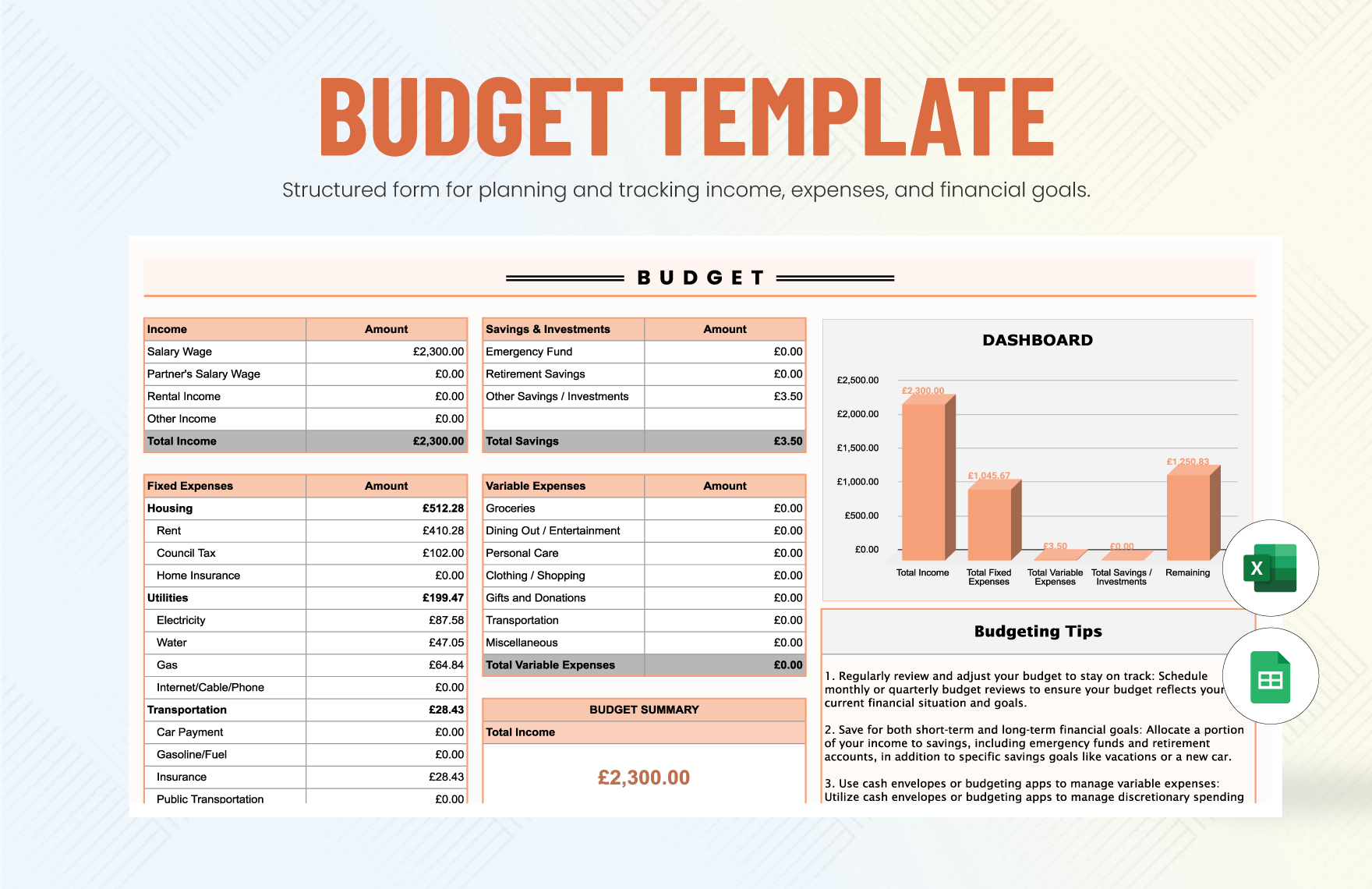
Free Company Budget Templates, Editable and Printable

Pta Budget Template Employee Onboarding Template

Pto Spreadsheet Google Spreadshee pto tracking spreadsheet excel. pto
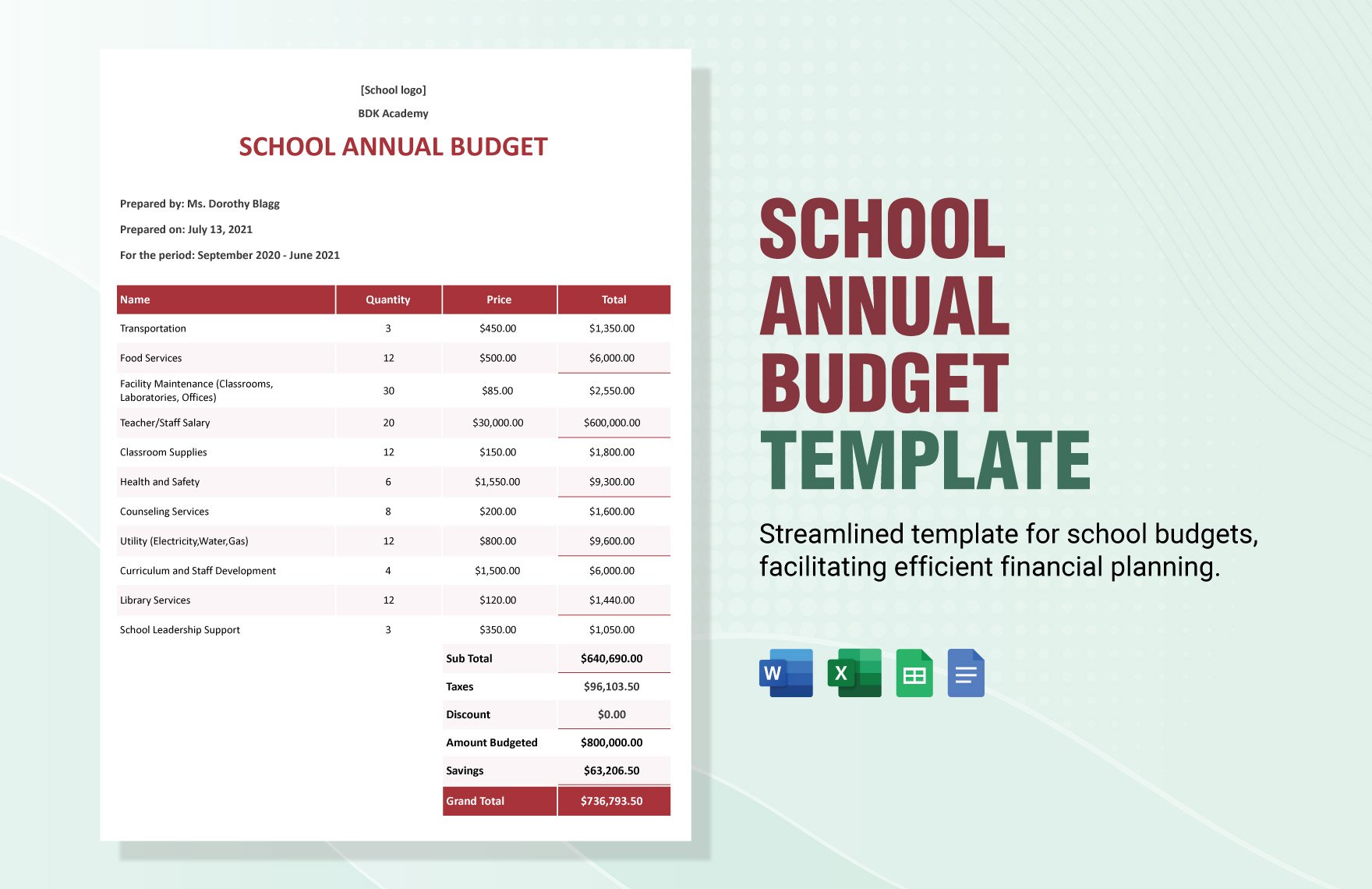
Free Annual Budget Templates, Editable and Printable
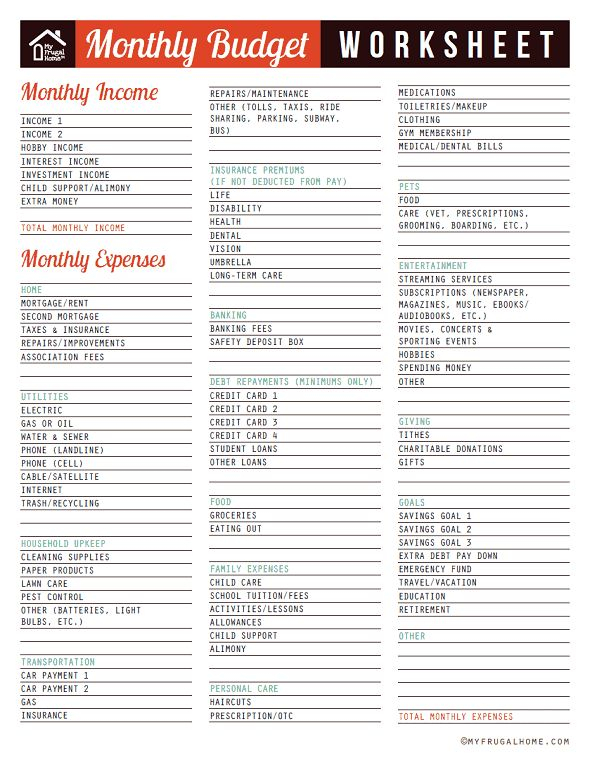
Easy Pto Budget Worksheets

10 PTO and PTA Budgeting Tips MoneyMinder
Sample PTO Budget Proposal PDF Finance & Money Management
50 Free☝️ Google Sheets Budget Templates for 2024 Spreadsheet Daddy
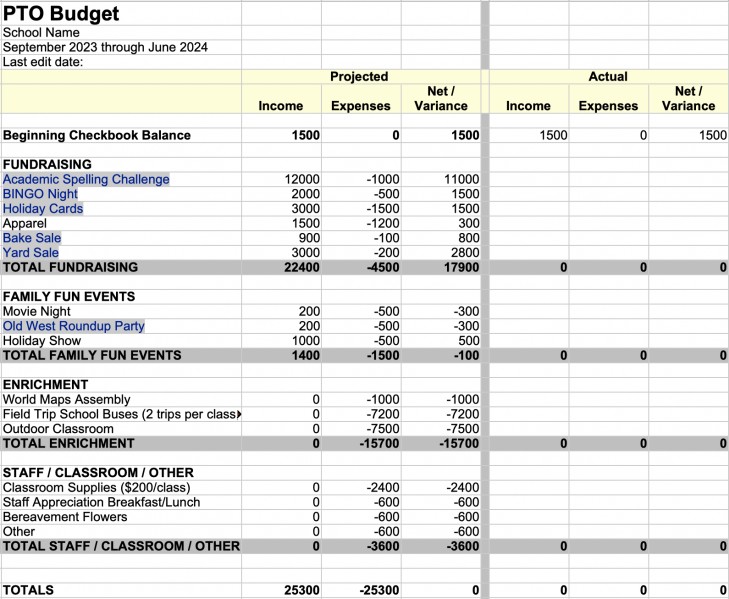
Develop an Annual Plan Using This Sample PTO Budget Entri Ways

Budget Basics for PTOs PTO Today in 2024 Budgeting, Setting up a
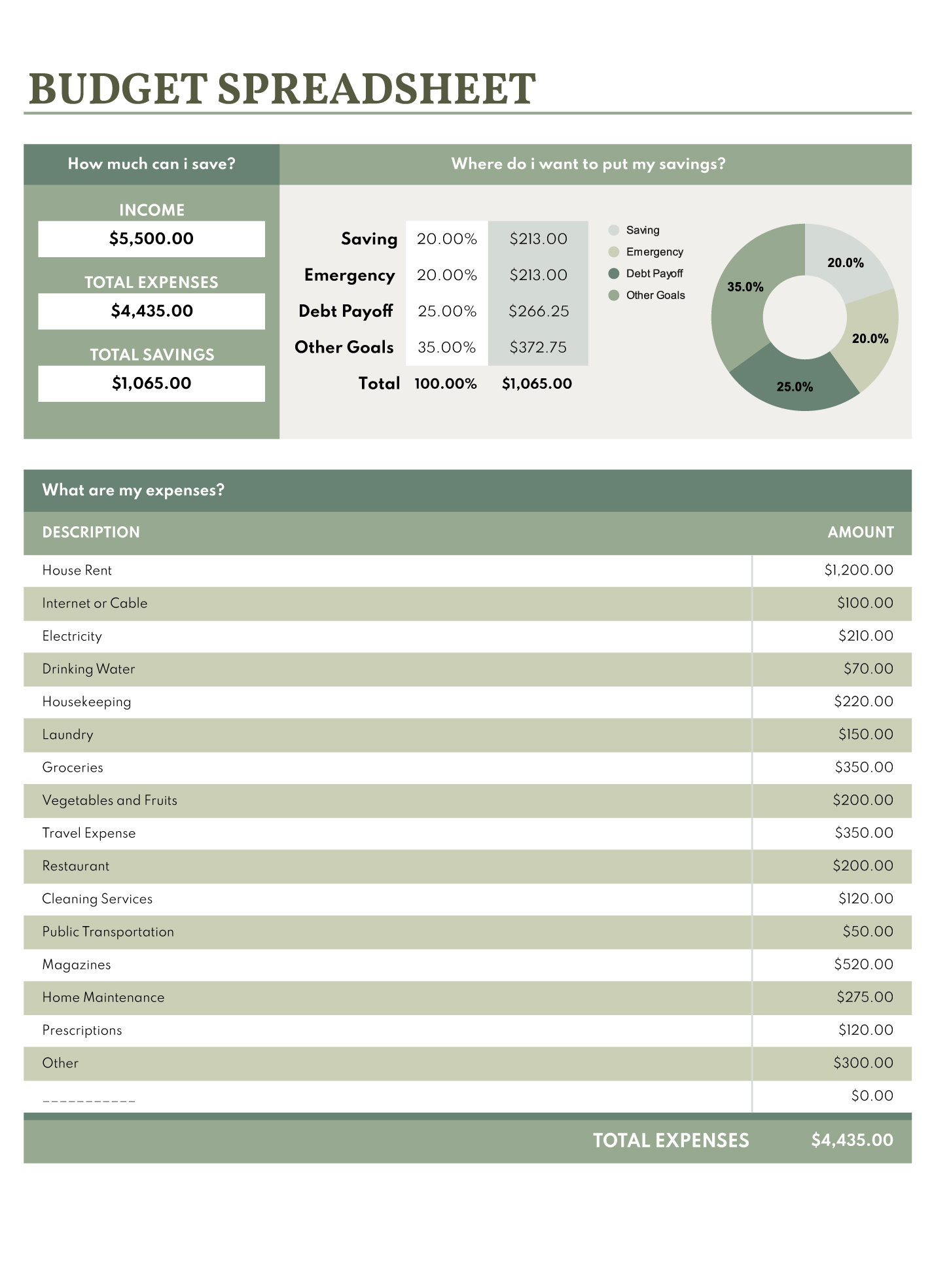
Free Small Business Budget Template Excel Ablebionics
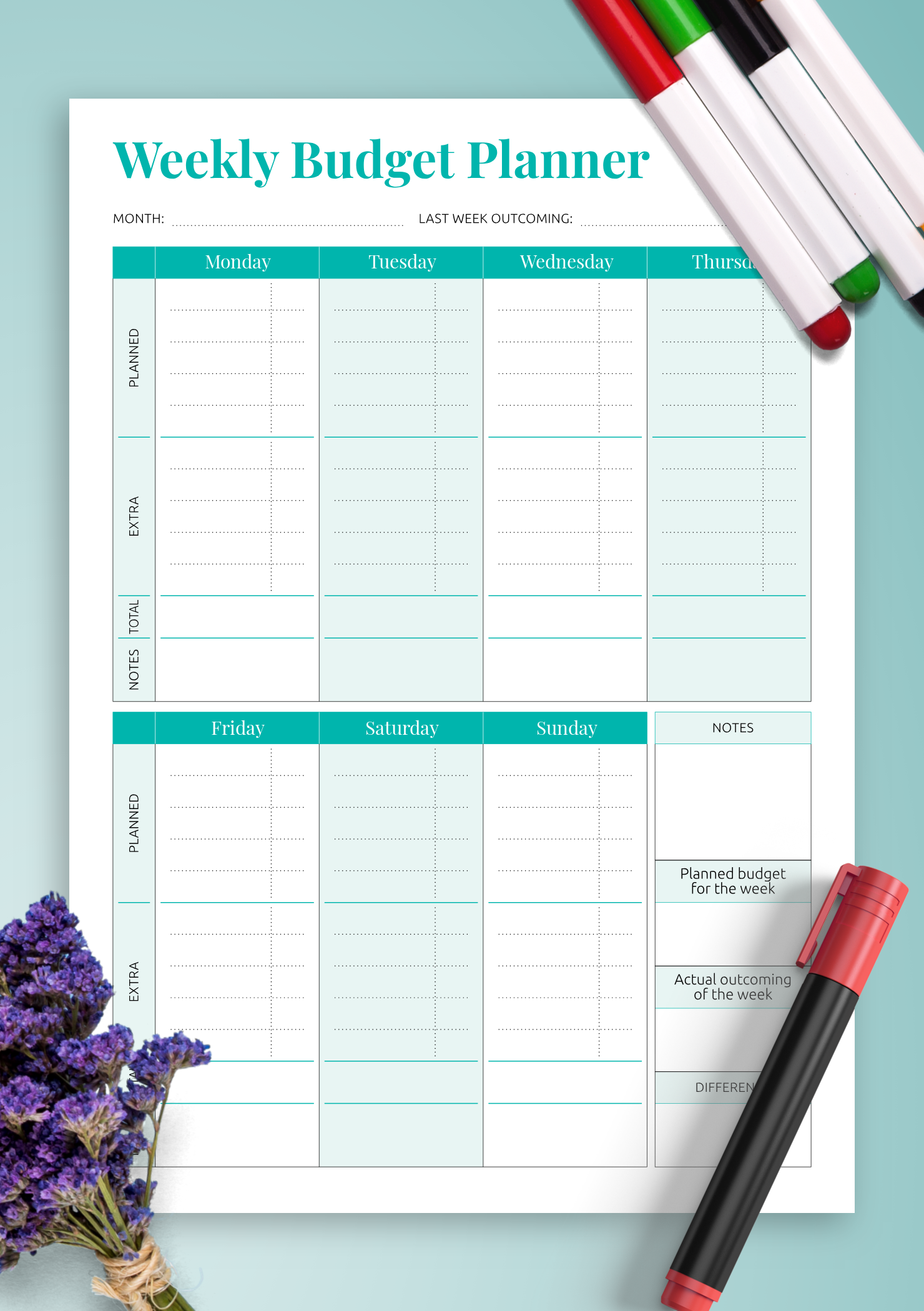
Budget Planner Template Free Printable Printable Templates

Pto Budget Template prntbl.concejomunicipaldechinu.gov.co

Pto Budget Template prntbl.concejomunicipaldechinu.gov.co
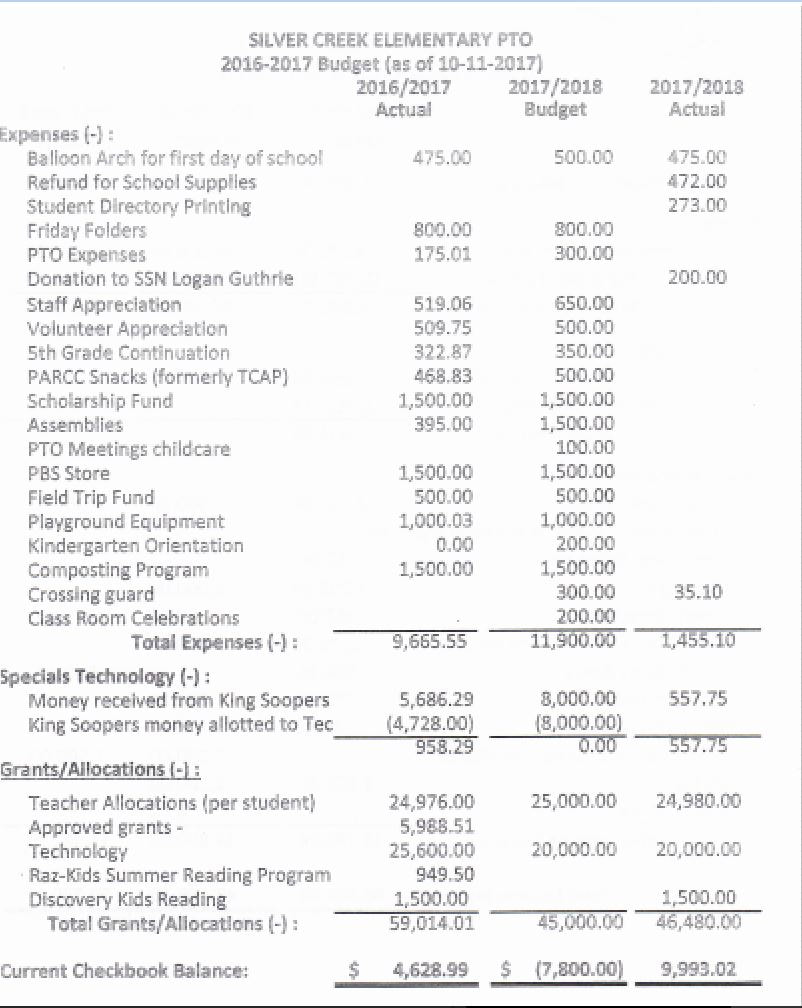
Business

The easier way to create a pto budget Artofit
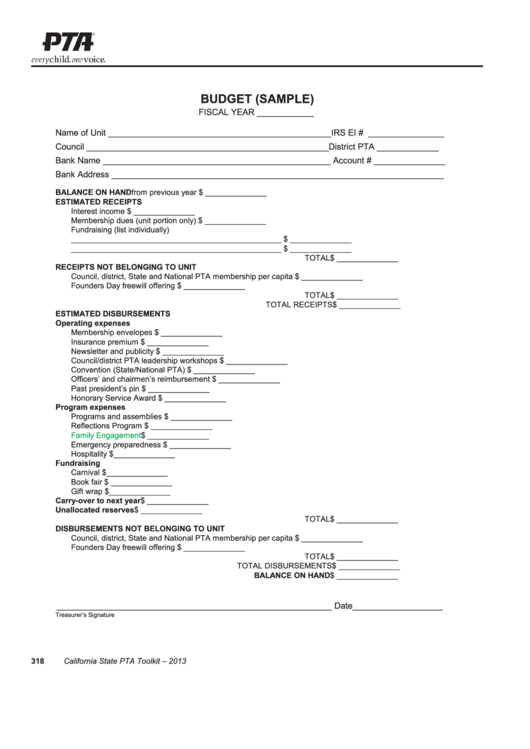
Pta Budget Template A Comprehensive Guide For PTAs
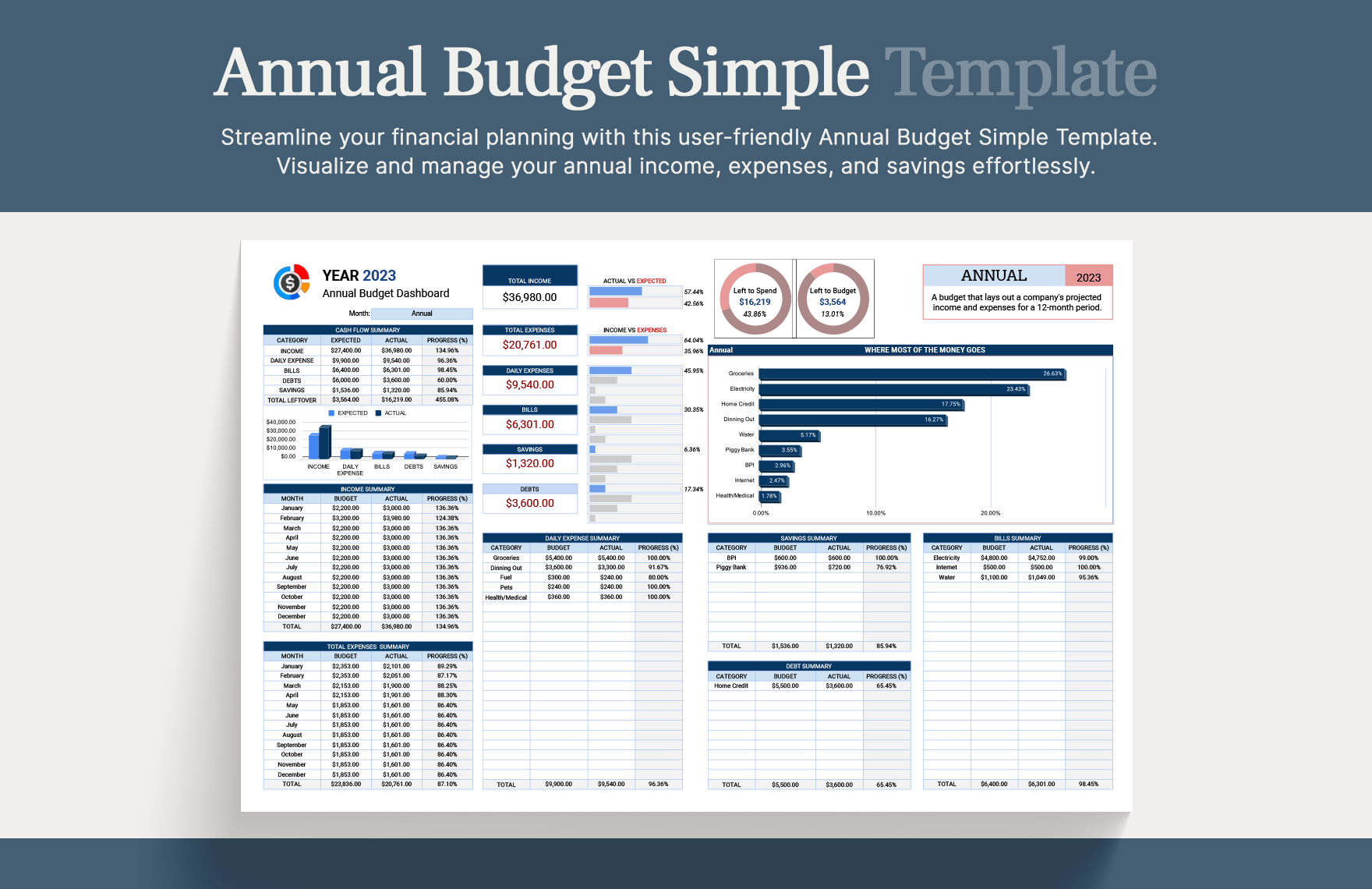
25+ Ultimate Budget Excel Template Bundle in Excel, Google Sheets

Casual Project Budget Tracking Template Pto Excel

Pto Budget Template Printable Study Planner

The Easier Way to Create a PTO Budget Budgeting, Pto, How to be outgoing

How to Create a PTO Budget PTO Answers
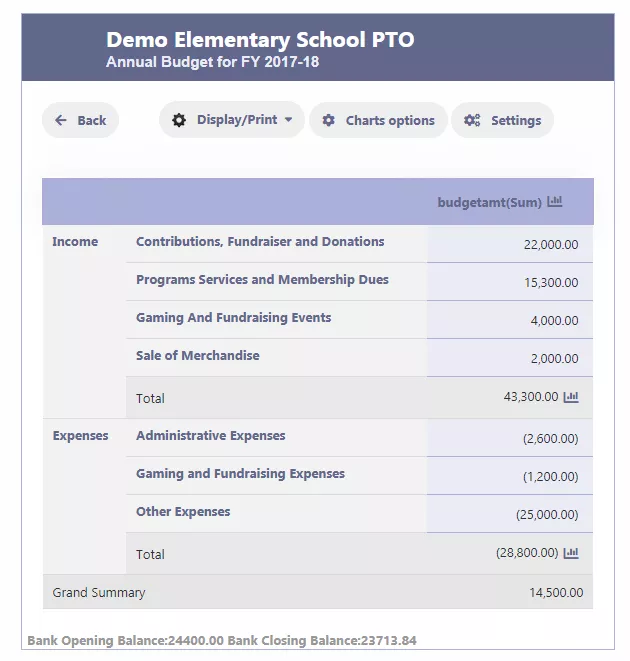
Creating a Successful Budget for Your Parent Teacher Organization or

Pto Budget Template Etsy Bogiolo
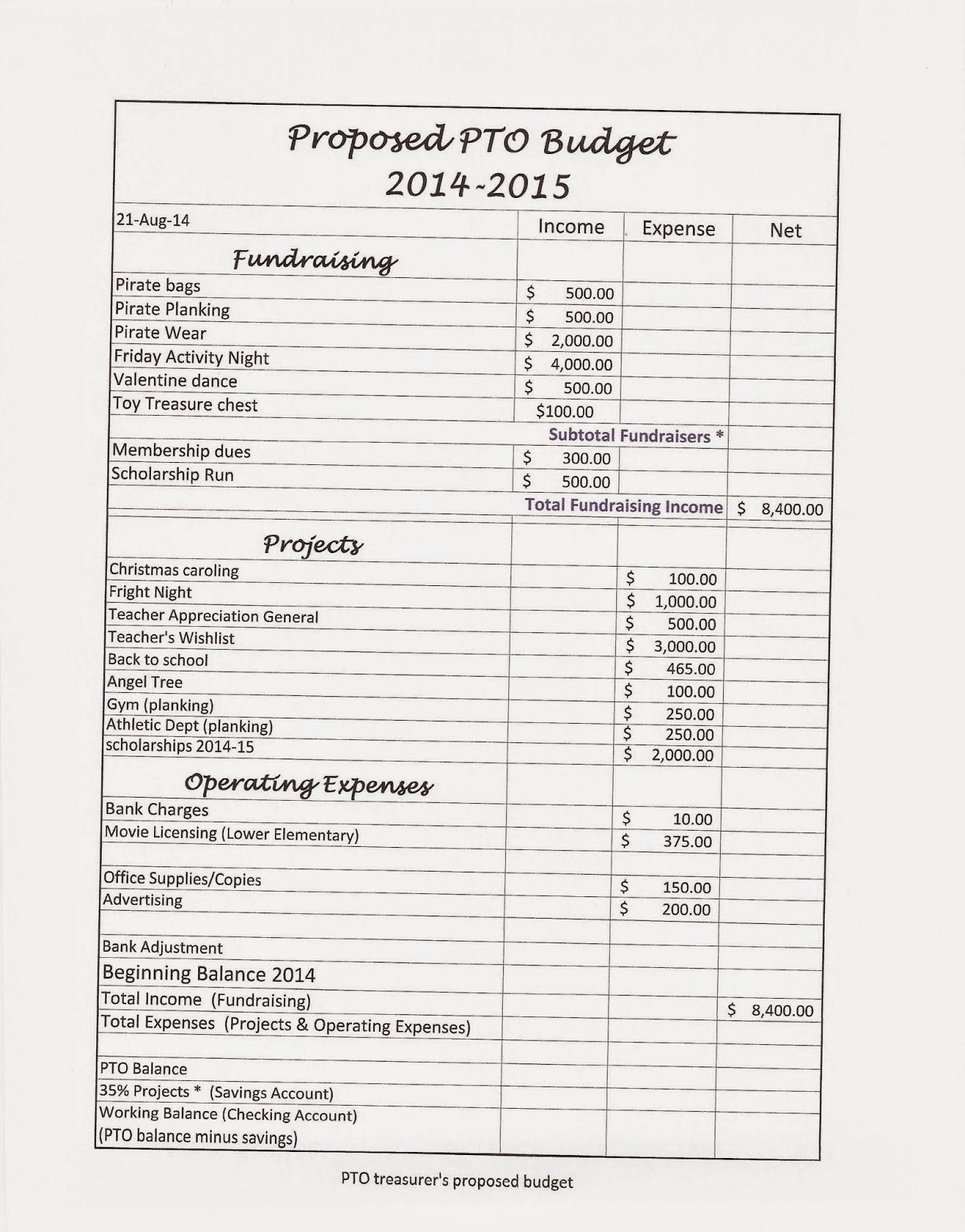
Pto Budget Template

Pto Budget Template

12 Free Budget Templates That'll Help You Save Without Stress
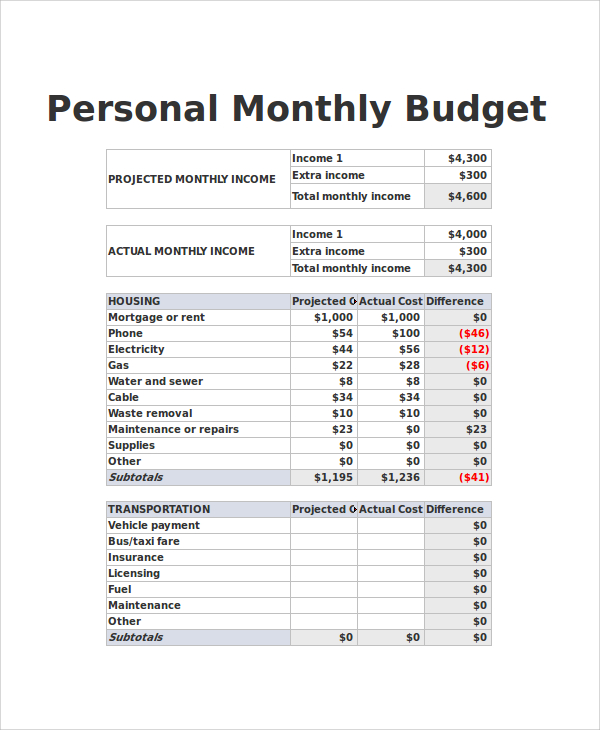
FREE 10+ Sample Budget Spreadsheets in Excel MS Word PDF

Pto Budget Template AT A GLANCE
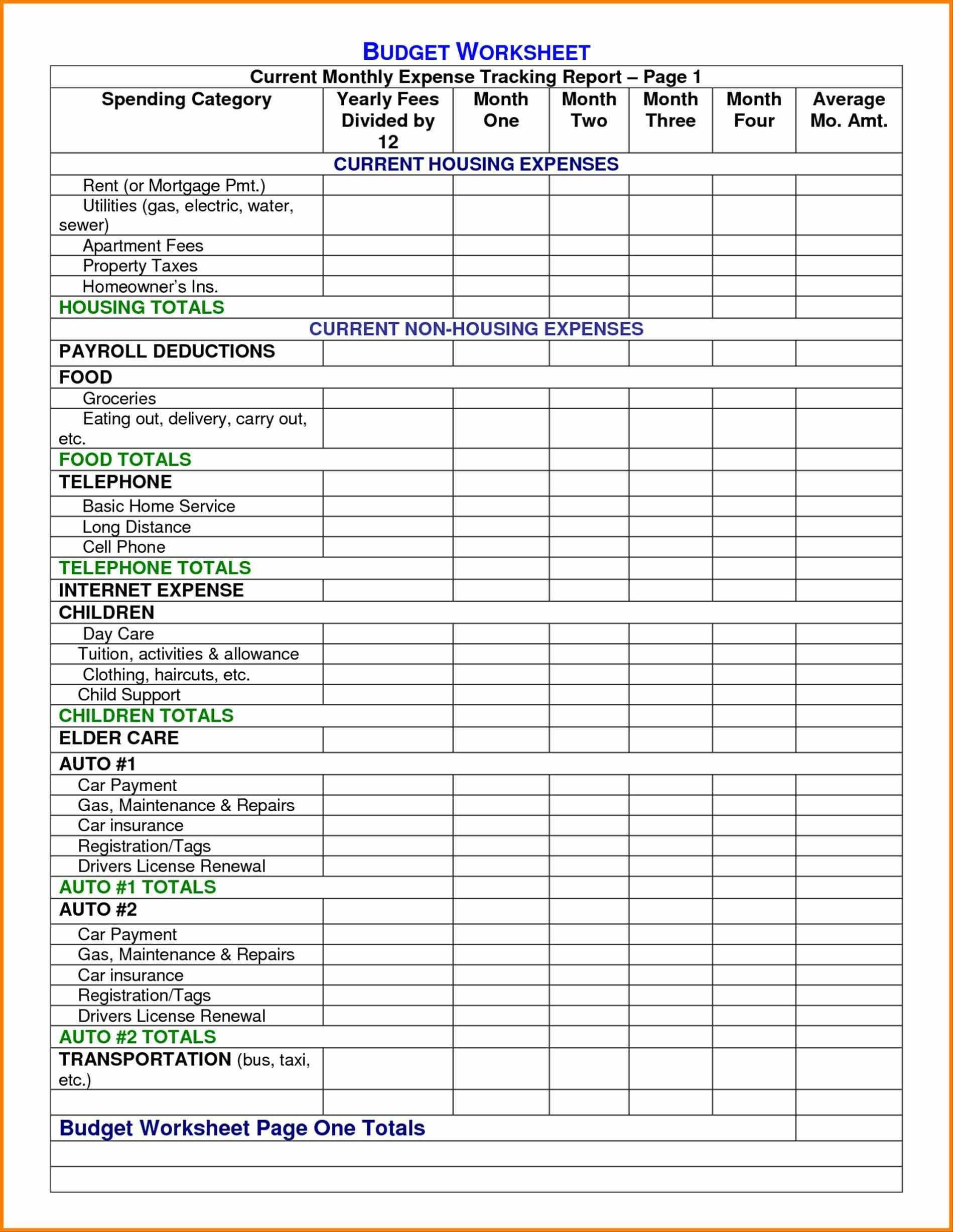
Small Business Budget Templates —
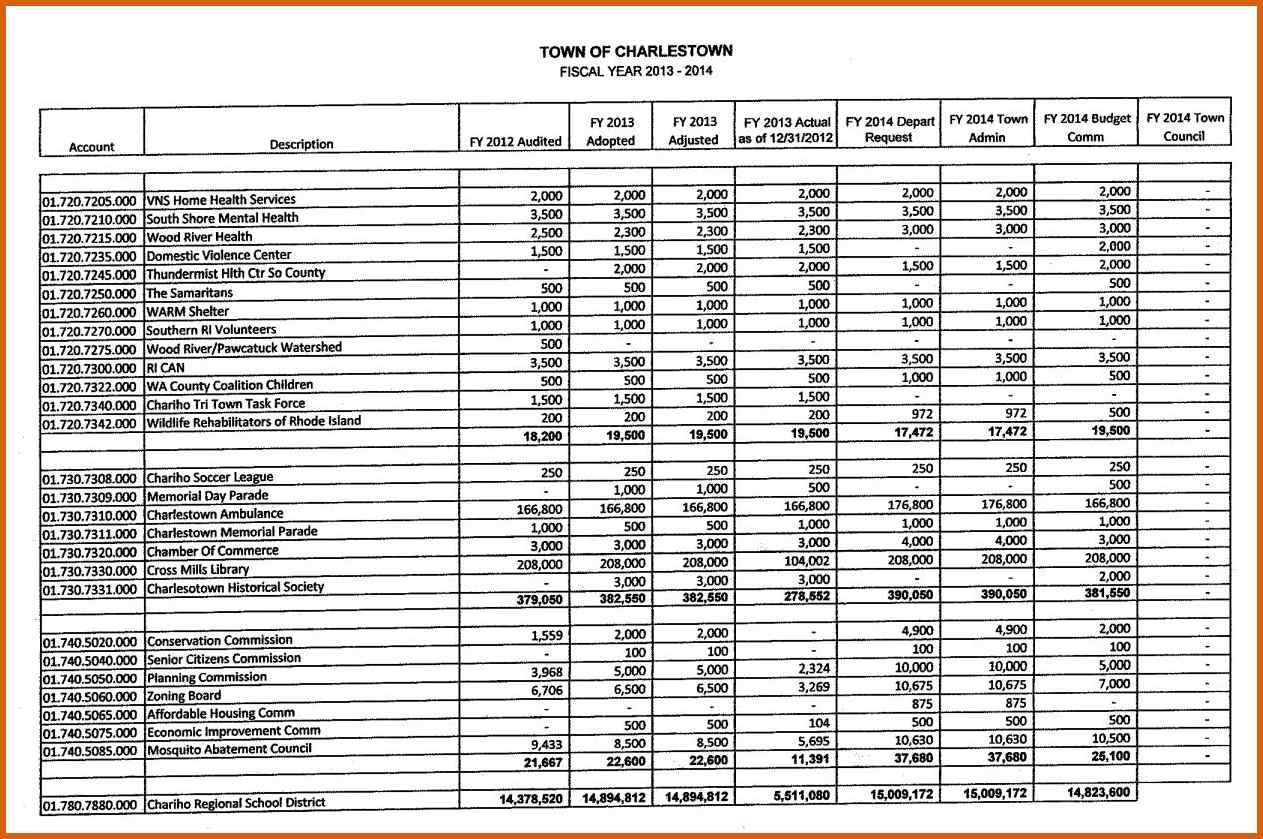
PTO Budget Template 5 Essential Benefits
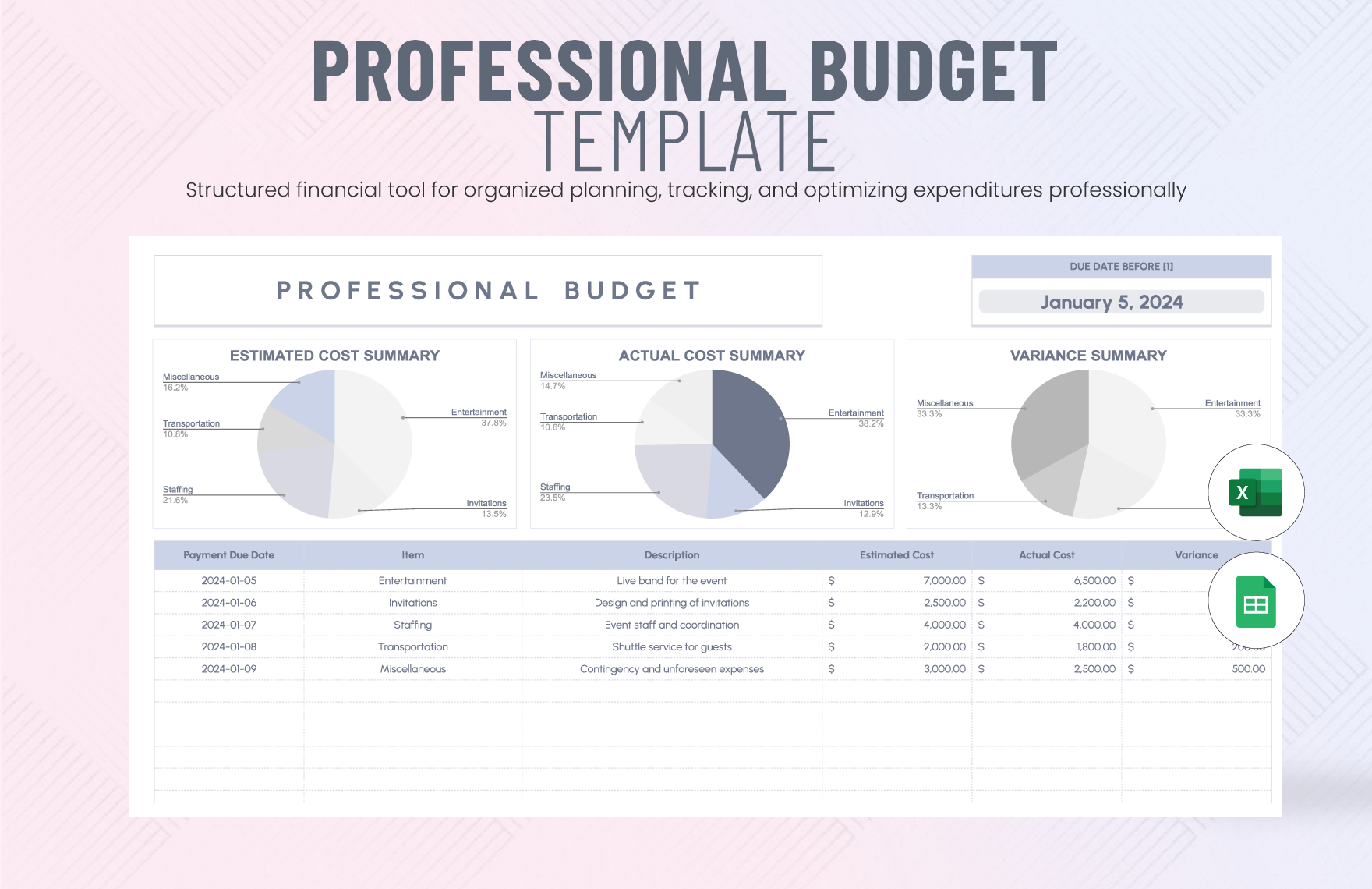
Free Budget Planner Templates to Customize Online
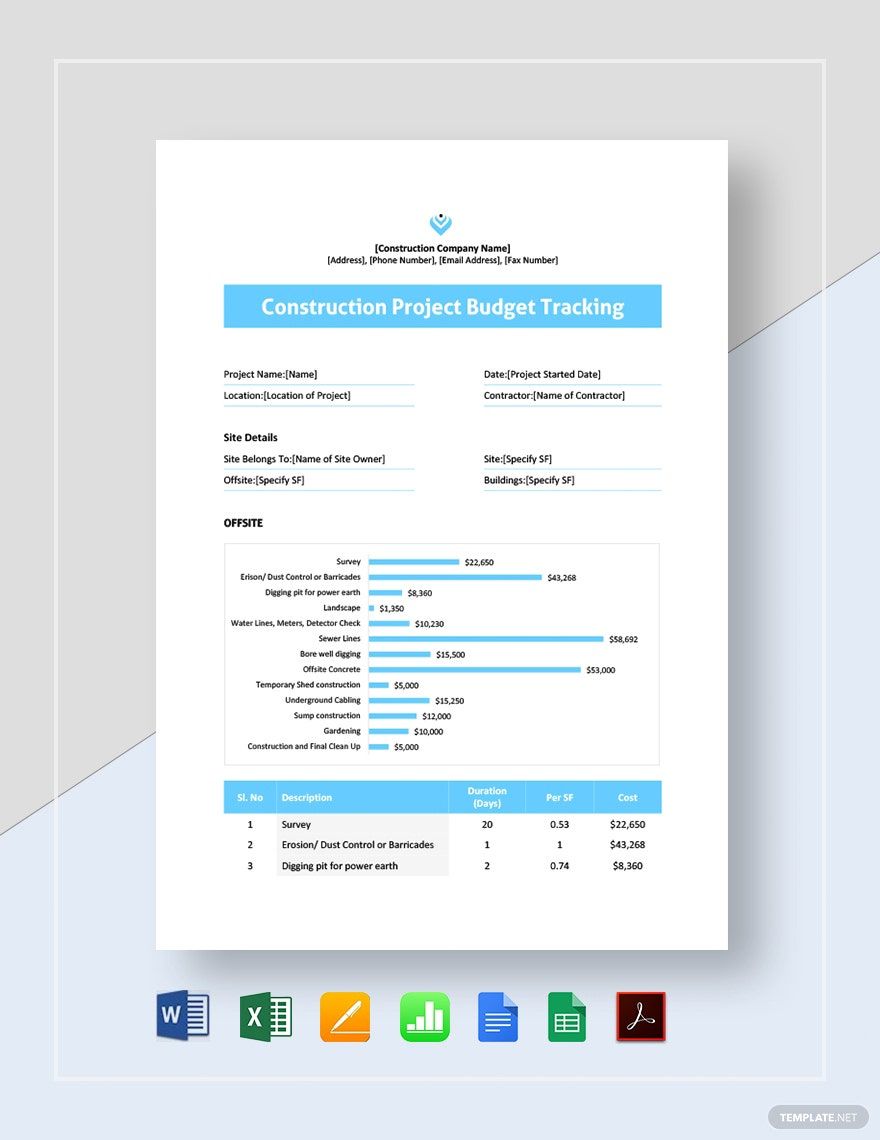
Pto Budget Template prntbl.concejomunicipaldechinu.gov.co

Budget basics for ptos Artofit
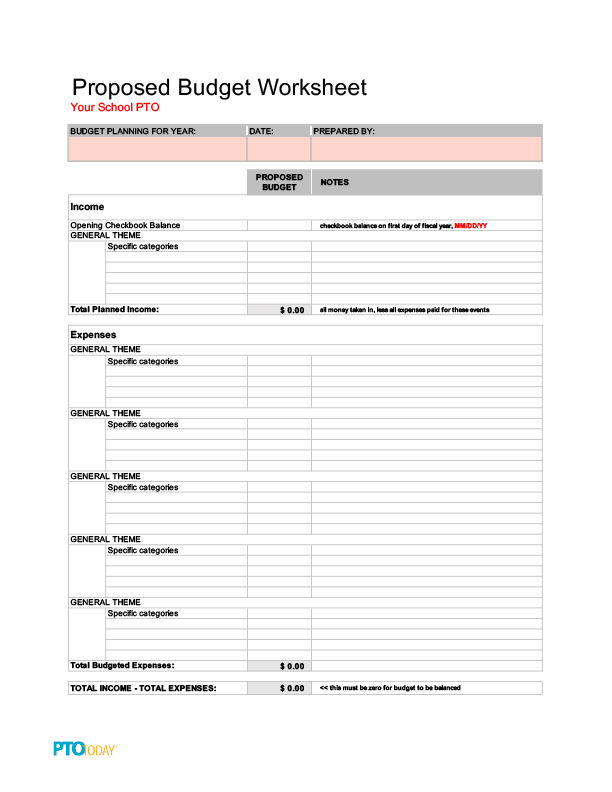
Pto Budget Template
Pto Refers To The Total Number Of Paid Days Off Employees Can Take Each Year, Including Vacation, Sick Leave, And Personal Days, Without A Salary.
Paid Time Off (Often Referred To As “Pto”) Policies Provide Paid Leave That Can Be Used For A Wide Range Of Different Uses Including Emergencies, Illnesses, Sudden Necessities, Planned Vacations, Etc.
Pto Usually Means Vacation Time, Sick Leave, And Personal Time.
Paid Time Off (Pto) Is When Your Employer Pays You To Take Time Away From Work.
Related Post: