
Pto Tracker Template
Pto Tracker Template - Paid time off (pto) refers to the labor law concept of paid leave or, more formally, a leave of absence authorized by an employer. A pto policy defines how much paid time off employees receive,. Pto usually means vacation time, sick leave, and personal time. Paid time off (pto) is when your employer pays you to take time away from work. Pto stands for paid time off, a workplace benefit that allows employees to take time away from work while continuing to receive their regular pay. Paid time off can refer to any paid leave program, while the pto abbreviation generally refers to a type of policy where all paid leave is bundled together into a predetermined number of days. But it can also include other types of compensated. What does pto stand for? Pto refers to the total number of paid days off employees can take each year, including vacation, sick leave, and personal days, without a salary. Learn how pto works, from how it accrues and rolls over to what happens to unused time when you leave a job or need to take fmla leave. Workers typically accrue pto based on the amount of hours. What does pto stand for? Paid time off (often referred to as “pto”) policies provide paid leave that can be used for a wide range of different uses including emergencies, illnesses, sudden necessities, planned vacations, etc. What is the average pto in the us? Paid time off (pto) is when. Pto includes paid vacation, sick time, holidays and personal time all wrapped up into one category that. Paid time off can refer to any paid leave program, while the pto abbreviation generally refers to a type of policy where all paid leave is bundled together into a predetermined number of days. Paid time off (pto) refers to the time that. Paid time off can refer to any paid leave program, while the pto abbreviation generally refers to a type of policy where all paid leave is bundled together into a predetermined number of days. Paid time off (pto) refers to the labor law concept of paid leave or, more formally, a leave of absence authorized by an employer. Pto refers. But it can also include other types of compensated. Paid time off (pto) is when your employer pays you to take time away from work. What does pto stand for? Pto stands for paid time off — time an employee can take away from work while still receiving pay. Pto stands for paid time off, a workplace benefit that allows. But it can also include other types of compensated. Pto includes paid vacation, sick time, holidays and personal time all wrapped up into one category that. Pto stands for paid time off, a workplace benefit that allows employees to take time away from work while continuing to receive their regular pay. Workers typically accrue pto based on the amount of. But it can also include other types of compensated. Pto stands for paid time off — time an employee can take away from work while still receiving pay. Paid time off (often referred to as “pto”) policies provide paid leave that can be used for a wide range of different uses including emergencies, illnesses, sudden necessities, planned vacations, etc. What. Paid time off (often referred to as “pto”) policies provide paid leave that can be used for a wide range of different uses including emergencies, illnesses, sudden necessities, planned vacations, etc. Pto refers to the total number of paid days off employees can take each year, including vacation, sick leave, and personal days, without a salary. Paid time off (pto). Pto usually means vacation time, sick leave, and personal time. Paid time off (pto) is an employee benefit that combines vacation days, sick days and personal days into one policy. Paid time off (pto) is when your employer pays you to take time away from work. Pto stands for paid time off — time an employee can take away from. Paid time off (often referred to as “pto”) policies provide paid leave that can be used for a wide range of different uses including emergencies, illnesses, sudden necessities, planned vacations, etc. What is the average pto in the us? Paid time off (pto) is when your employer pays you to take time away from work. Paid time off (pto) refers. This arrangement allows employees to take time off. Paid time off (pto) is when your employer pays you to take time away from work. Paid time off (pto) refers to the labor law concept of paid leave or, more formally, a leave of absence authorized by an employer. Pto includes paid vacation, sick time, holidays and personal time all wrapped. Paid time off (pto) is an employee benefit that combines vacation days, sick days and personal days into one policy. Pto usually means vacation time, sick leave, and personal time. A pto policy defines how much paid time off employees receive,. Paid time off (pto) refers to the labor law concept of paid leave or, more formally, a leave of. What is the average pto in the us? What does pto stand for? A pto policy defines how much paid time off employees receive,. Paid time off (pto) is an employee benefit that combines vacation days, sick days and personal days into one policy. Pto stands for paid time off — time an employee can take away from work while. Paid time off (pto) refers to the labor law concept of paid leave or, more formally, a leave of absence authorized by an employer. What is the average pto in the us? Pto includes paid vacation, sick time, holidays and personal time all wrapped up into one category that. Paid time off can refer to any paid leave program, while. What does pto stand for? Pto stands for paid time off, a workplace benefit that allows employees to take time away from work while continuing to receive their regular pay. Paid time off (pto) is an employee benefit that combines vacation days, sick days and personal days into one policy. Pto stands for paid time off — time an employee. This arrangement allows employees to take time off. Pto stands for paid time off — time an employee can take away from work while still receiving pay. Paid time off (pto) is an employee benefit that combines vacation days, sick days and personal days into one policy. Paid time off (often referred to as “pto”) policies provide paid leave that. Pto stands for paid time off, a workplace benefit that allows employees to take time away from work while continuing to receive their regular pay. This arrangement allows employees to take time off. A pto policy defines how much paid time off employees receive,. What does pto stand for? Pto refers to the total number of paid days off employees. What is the average pto in the us? Paid time off (often referred to as “pto”) policies provide paid leave that can be used for a wide range of different uses including emergencies, illnesses, sudden necessities, planned vacations, etc. A pto policy defines how much paid time off employees receive,. Paid time off can refer to any paid leave program,. A pto policy defines how much paid time off employees receive,. What is the average pto in the us? Paid time off (pto) is an employee benefit that combines vacation days, sick days and personal days into one policy. Pto usually means vacation time, sick leave, and personal time. Learn how pto works, from how it accrues and rolls over. A pto policy defines how much paid time off employees receive,. But it can also include other types of compensated. Paid time off can refer to any paid leave program, while the pto abbreviation generally refers to a type of policy where all paid leave is bundled together into a predetermined number of days. Paid time off (pto) is when. Pto stands for paid time off, a workplace benefit that allows employees to take time away from work while continuing to receive their regular pay. Pto stands for paid time off — time an employee can take away from work while still receiving pay. But it can also include other types of compensated. A pto policy defines how much paid. Pto refers to the total number of paid days off employees can take each year, including vacation, sick leave, and personal days, without a salary. What does pto stand for? Workers typically accrue pto based on the amount of hours. But it can also include other types of compensated. Paid time off (pto) is when your employer pays you to. Pto includes paid vacation, sick time, holidays and personal time all wrapped up into one category that. This arrangement allows employees to take time off. But it can also include other types of compensated. A pto policy defines how much paid time off employees receive,. Pto stands for paid time off, a workplace benefit that allows employees to take time. Paid time off (pto) refers to the time that you are paid for when you are not working. What is the average pto in the us? Learn how pto works, from how it accrues and rolls over to what happens to unused time when you leave a job or need to take fmla leave. Pto usually means vacation time, sick. Paid time off (pto) refers to the labor law concept of paid leave or, more formally, a leave of absence authorized by an employer. Paid time off (often referred to as “pto”) policies provide paid leave that can be used for a wide range of different uses including emergencies, illnesses, sudden necessities, planned vacations, etc. Pto stands for paid time. What does pto stand for? Pto stands for paid time off — time an employee can take away from work while still receiving pay. Pto usually means vacation time, sick leave, and personal time. Workers typically accrue pto based on the amount of hours. Paid time off (pto) refers to the time that you are paid for when you are. What does pto stand for? But it can also include other types of compensated. Pto refers to the total number of paid days off employees can take each year, including vacation, sick leave, and personal days, without a salary. Workers typically accrue pto based on the amount of hours. Paid time off can refer to any paid leave program, while. What is the average pto in the us? A pto policy defines how much paid time off employees receive,. Paid time off (pto) refers to the time that you are paid for when you are not working. Paid time off can refer to any paid leave program, while the pto abbreviation generally refers to a type of policy where all. Paid time off (pto) refers to the labor law concept of paid leave or, more formally, a leave of absence authorized by an employer. Paid time off (pto) refers to the time that you are paid for when you are not working. Paid time off (pto) is when your employer pays you to take time away from work. Workers typically. Pto stands for paid time off — time an employee can take away from work while still receiving pay. But it can also include other types of compensated. What does pto stand for? Workers typically accrue pto based on the amount of hours. Learn how pto works, from how it accrues and rolls over to what happens to unused time. Paid time off can refer to any paid leave program, while the pto abbreviation generally refers to a type of policy where all paid leave is bundled together into a predetermined number of days. What is the average pto in the us? Paid time off (pto) is an employee benefit that combines vacation days, sick days and personal days into. Pto stands for paid time off — time an employee can take away from work while still receiving pay. Paid time off (pto) refers to the labor law concept of paid leave or, more formally, a leave of absence authorized by an employer. But it can also include other types of compensated. Paid time off (pto) is when your employer. But it can also include other types of compensated. A pto policy defines how much paid time off employees receive,. Pto usually means vacation time, sick leave, and personal time. Paid time off (often referred to as “pto”) policies provide paid leave that can be used for a wide range of different uses including emergencies, illnesses, sudden necessities, planned vacations,. Paid time off (pto) refers to the labor law concept of paid leave or, more formally, a leave of absence authorized by an employer. What is the average pto in the us? Pto stands for paid time off, a workplace benefit that allows employees to take time away from work while continuing to receive their regular pay. Workers typically accrue. This arrangement allows employees to take time off. Paid time off (pto) is an employee benefit that combines vacation days, sick days and personal days into one policy. Paid time off (pto) is when your employer pays you to take time away from work. Paid time off (often referred to as “pto”) policies provide paid leave that can be used. Pto stands for paid time off — time an employee can take away from work while still receiving pay. Paid time off can refer to any paid leave program, while the pto abbreviation generally refers to a type of policy where all paid leave is bundled together into a predetermined number of days. What is the average pto in the. Paid time off (pto) is when your employer pays you to take time away from work. What is the average pto in the us? Paid time off (pto) refers to the labor law concept of paid leave or, more formally, a leave of absence authorized by an employer. Pto usually means vacation time, sick leave, and personal time. Pto stands for paid time off, a workplace benefit that allows employees to take time away from work while continuing to receive their regular pay. This arrangement allows employees to take time off. Pto includes paid vacation, sick time, holidays and personal time all wrapped up into one category that. Learn how pto works, from how it accrues and rolls over to what happens to unused time when you leave a job or need to take fmla leave. A pto policy defines how much paid time off employees receive,. Workers typically accrue pto based on the amount of hours. What does pto stand for? Paid time off (pto) refers to the time that you are paid for when you are not working. Pto stands for paid time off — time an employee can take away from work while still receiving pay. Paid time off (often referred to as “pto”) policies provide paid leave that can be used for a wide range of different uses including emergencies, illnesses, sudden necessities, planned vacations, etc.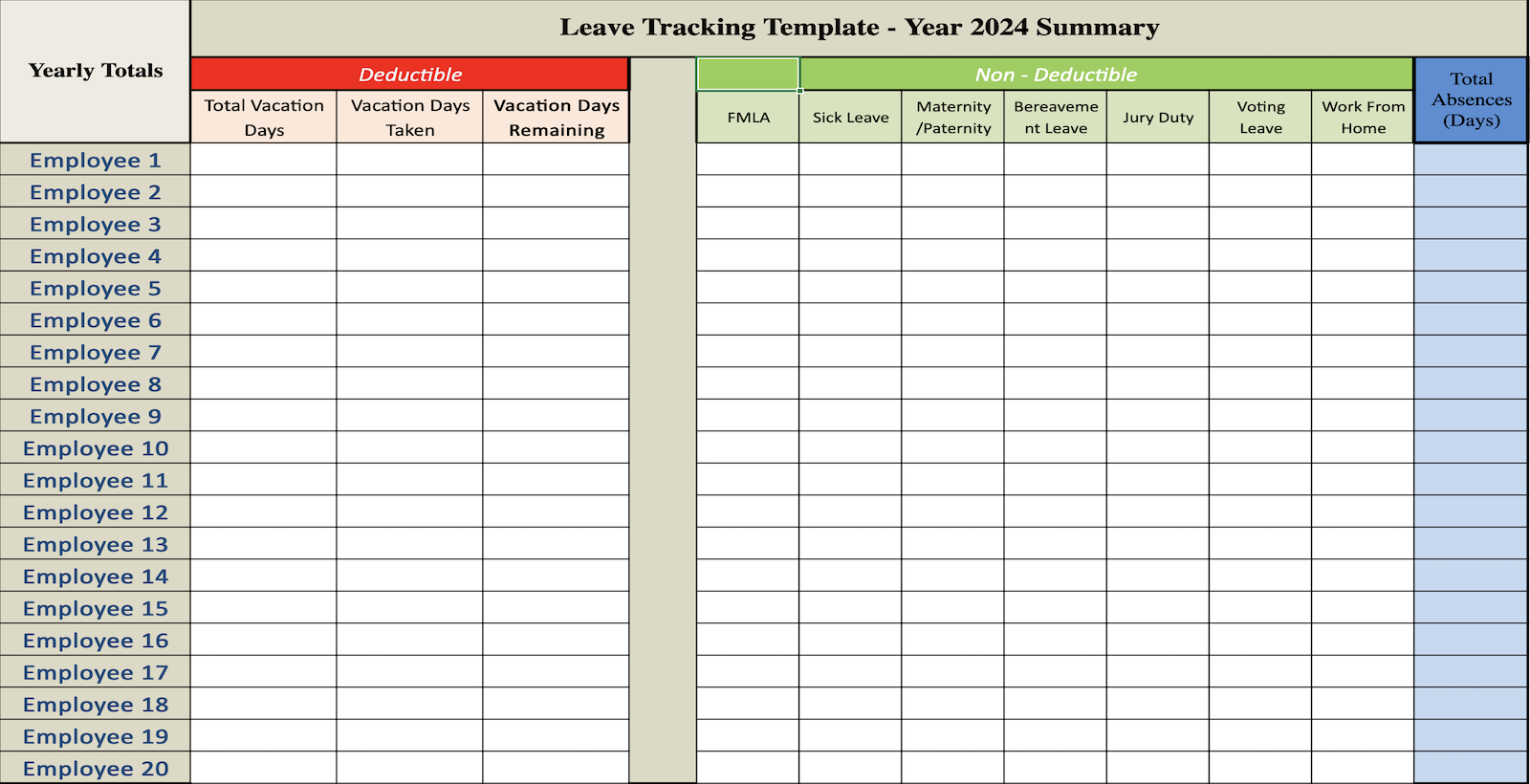
Excel PTO & Vacation Tracker (5 Templates & 1 Better Option)
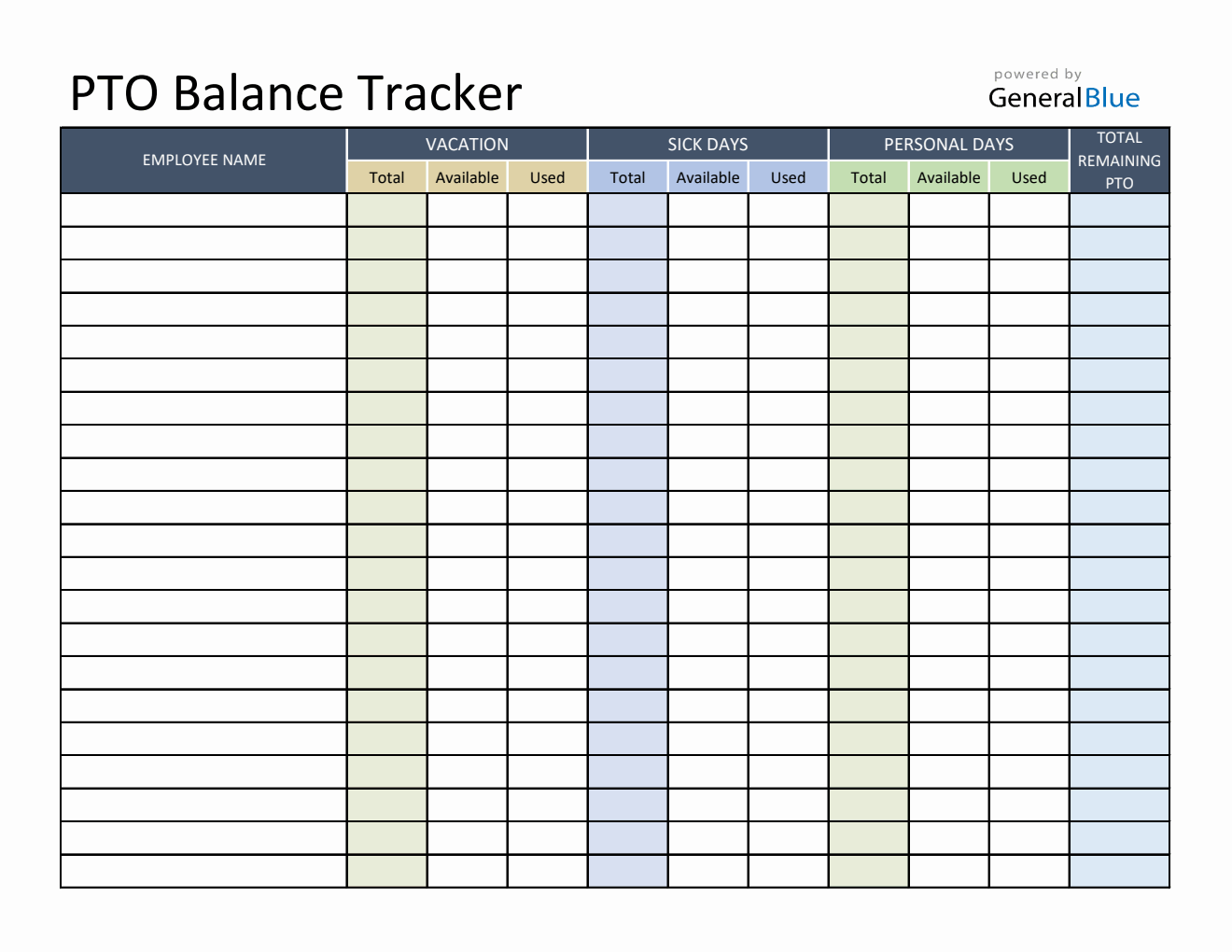
Pto Tracker Templates
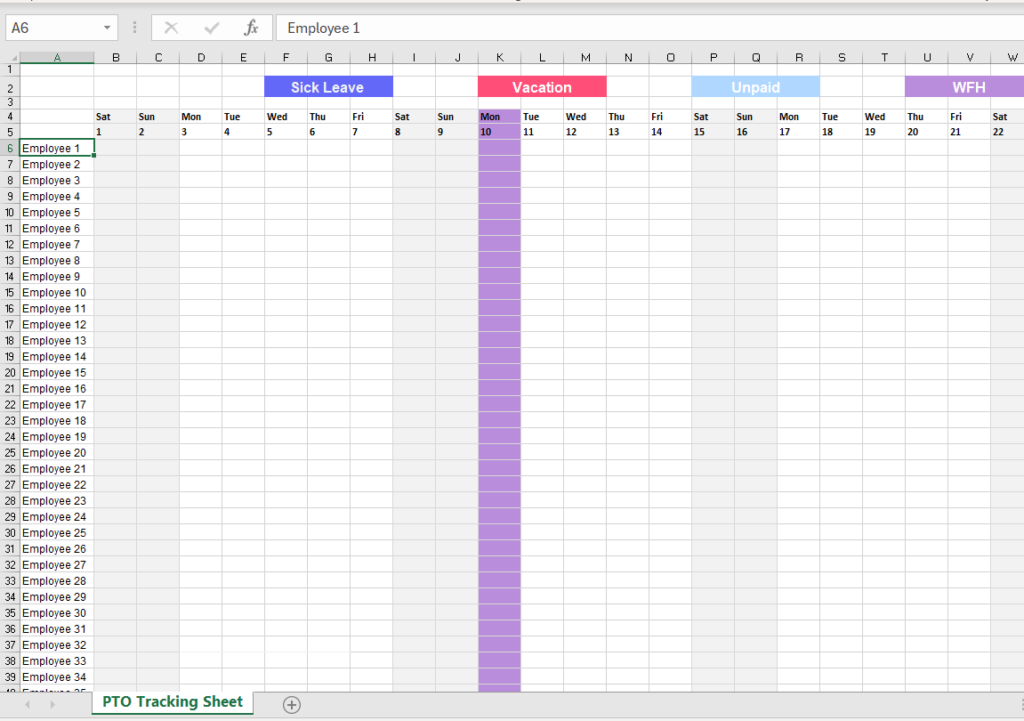
Free Excel Template for PTO Tracking 2026 Day Off
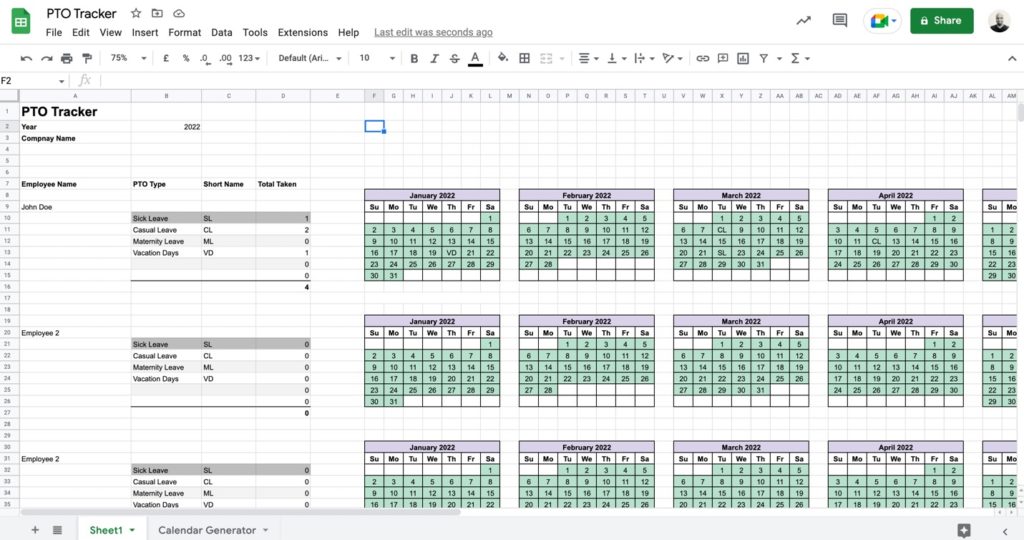
100 FREE PTO Tracking Template 2026 (Updated) ClockIt
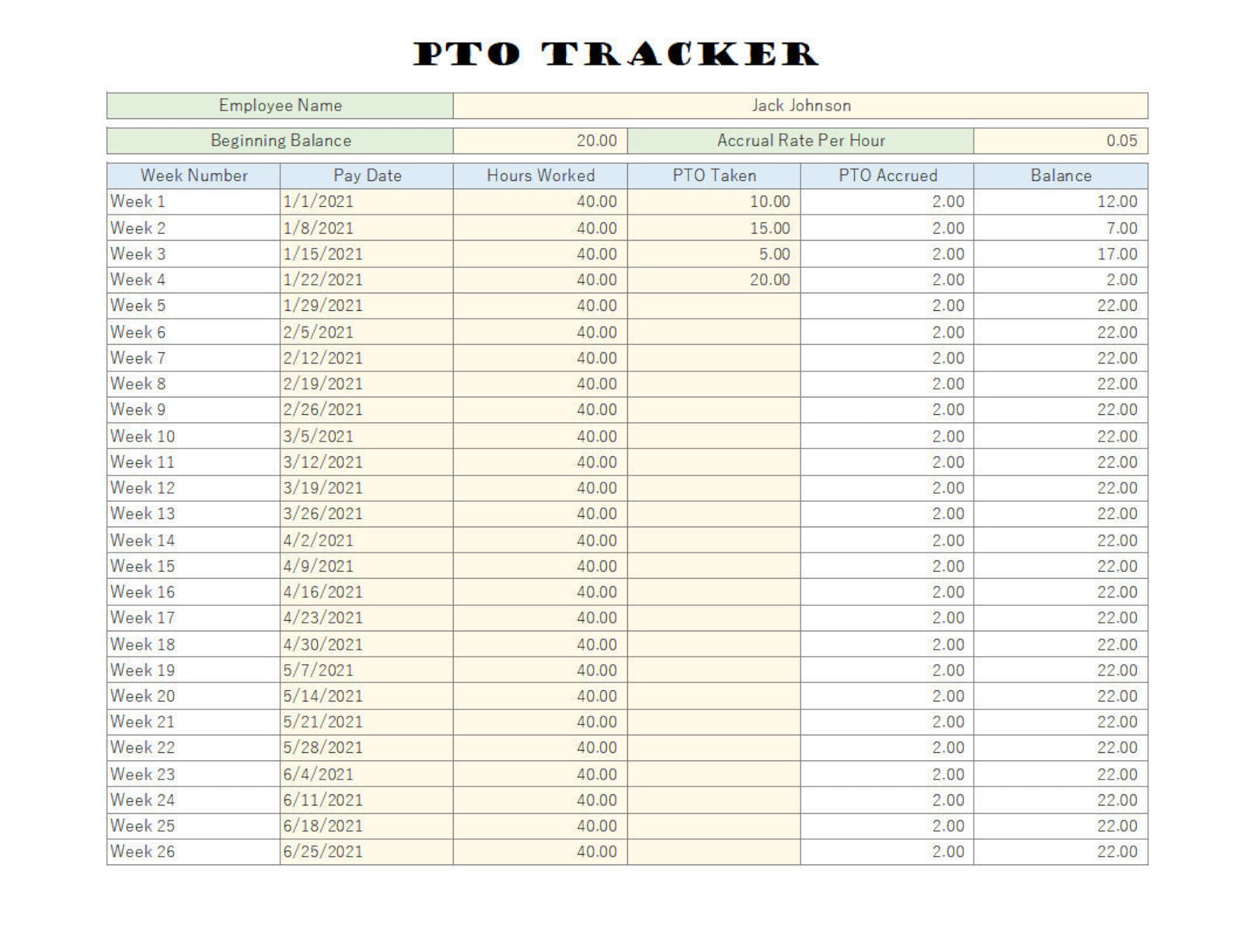
PTO Calculator & Tracker Excel Spreadsheet Printable Etsy
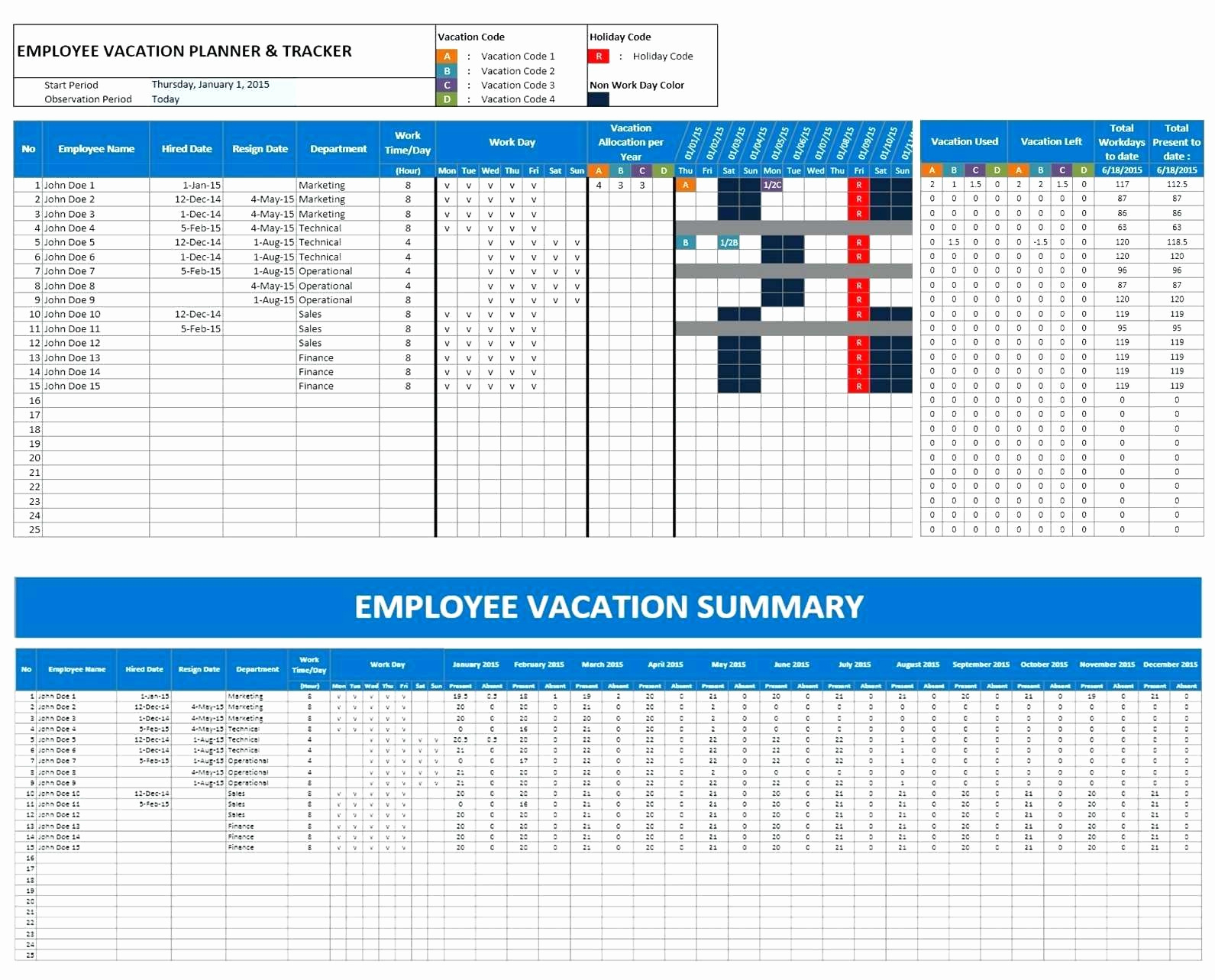
Pto Tracking Spreadsheet Excel inside Excel Pto Tracker Template Luxury
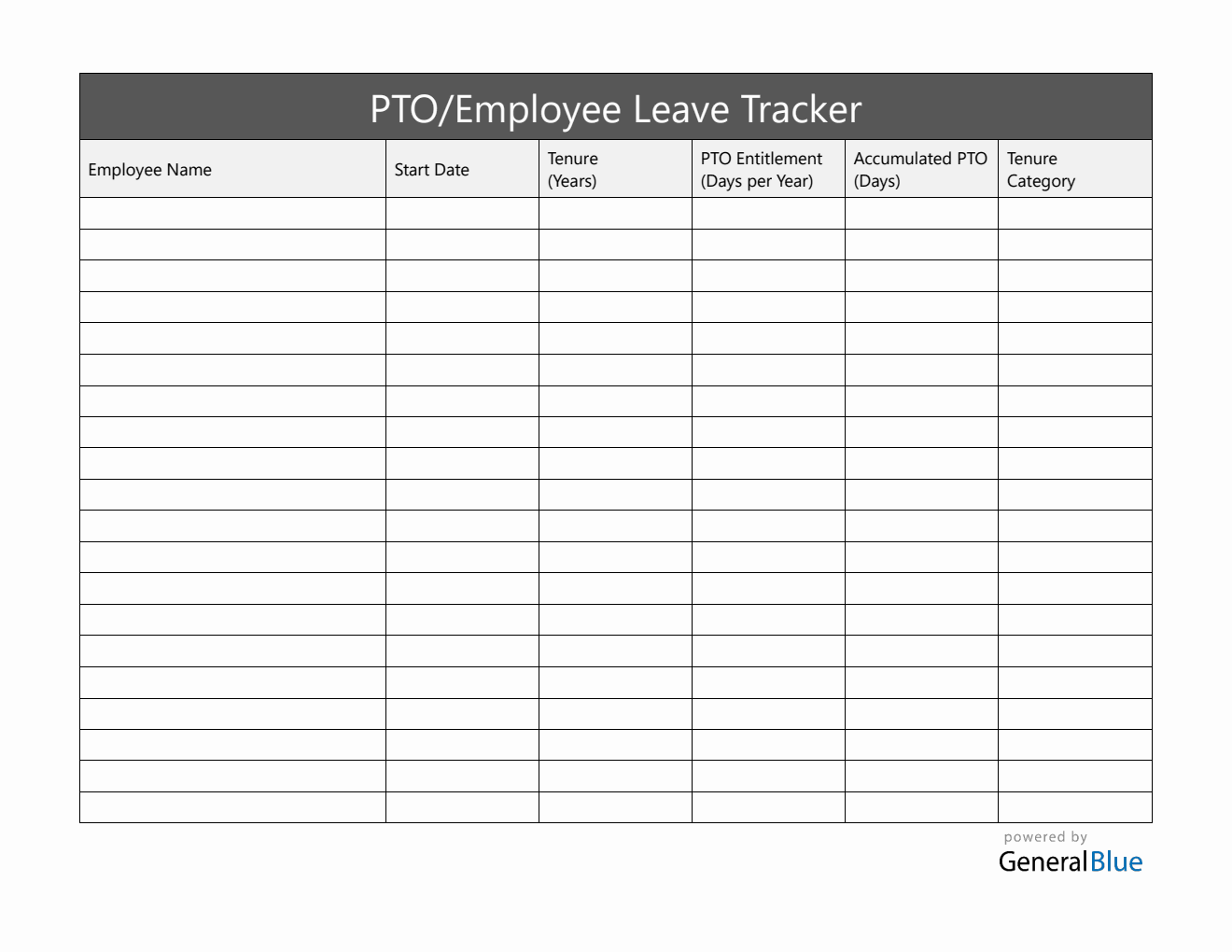
PTO Tracker Template Free Download in Excel Spreadsheet
Pto Tracking Spreadsheet Template
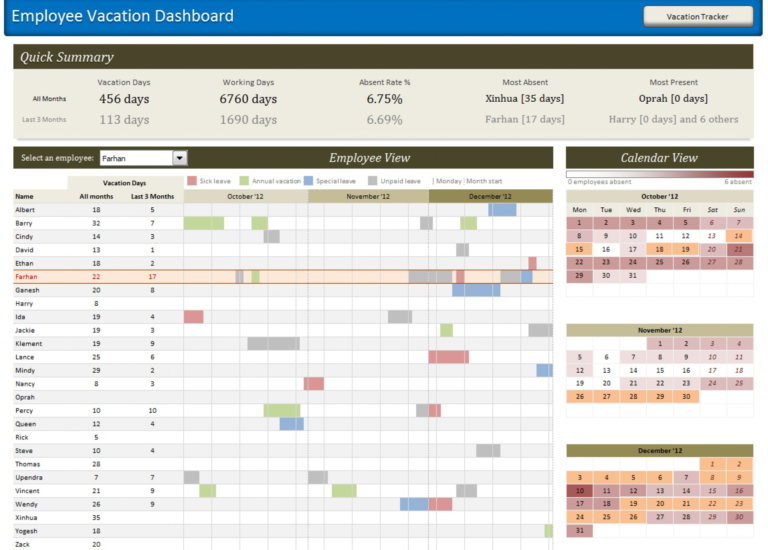
Pto Tracking Spreadsheet Excel —
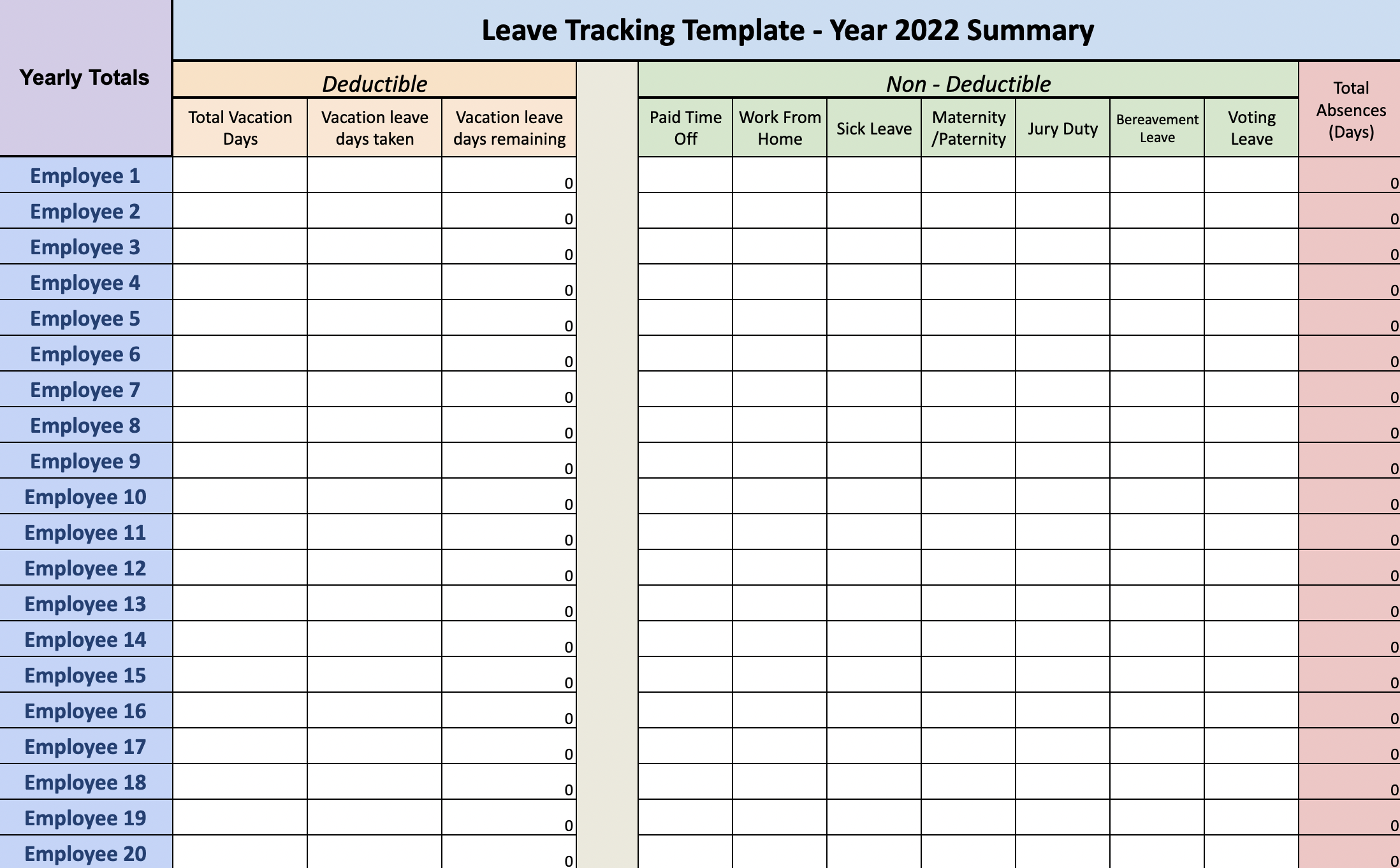
Employee Pto Tracker Excel Template
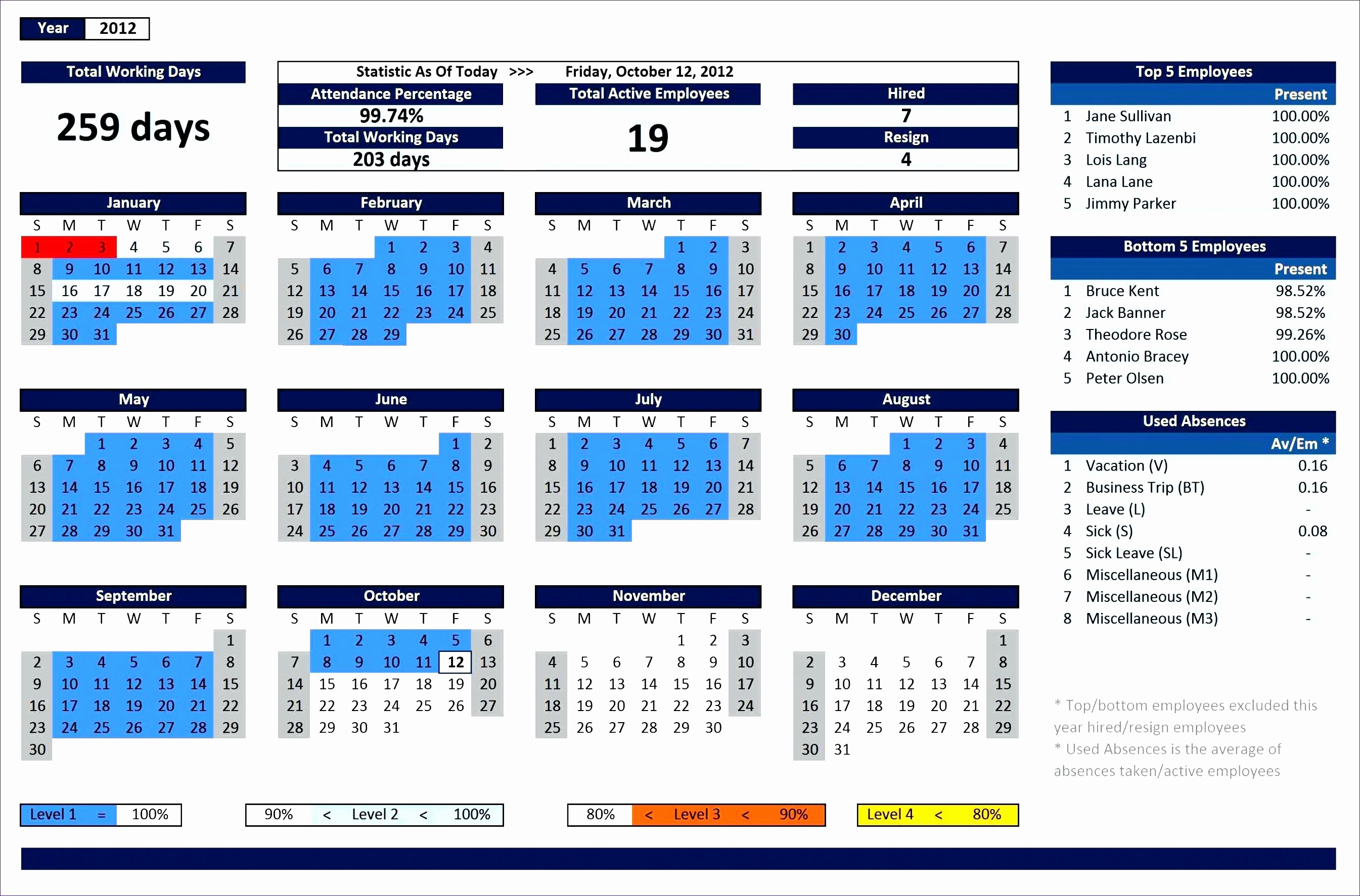
Excel Pto Tracker Template Awesome Employee Scheduling Spreadsheet and
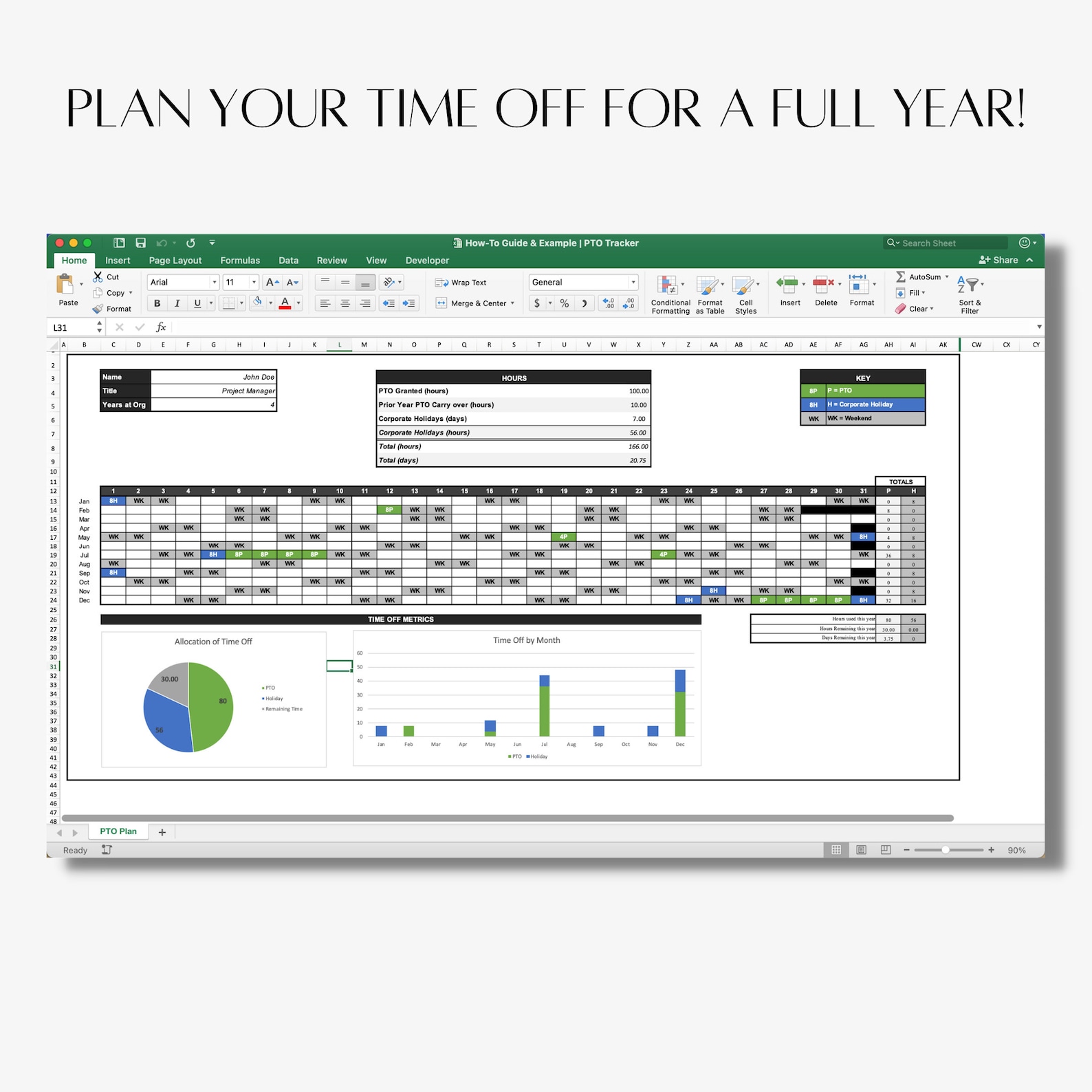
Digital PTO Tracker Excel Template Organization & Planning Work

Free PTO Tracking Template (Blue) Download in Excel
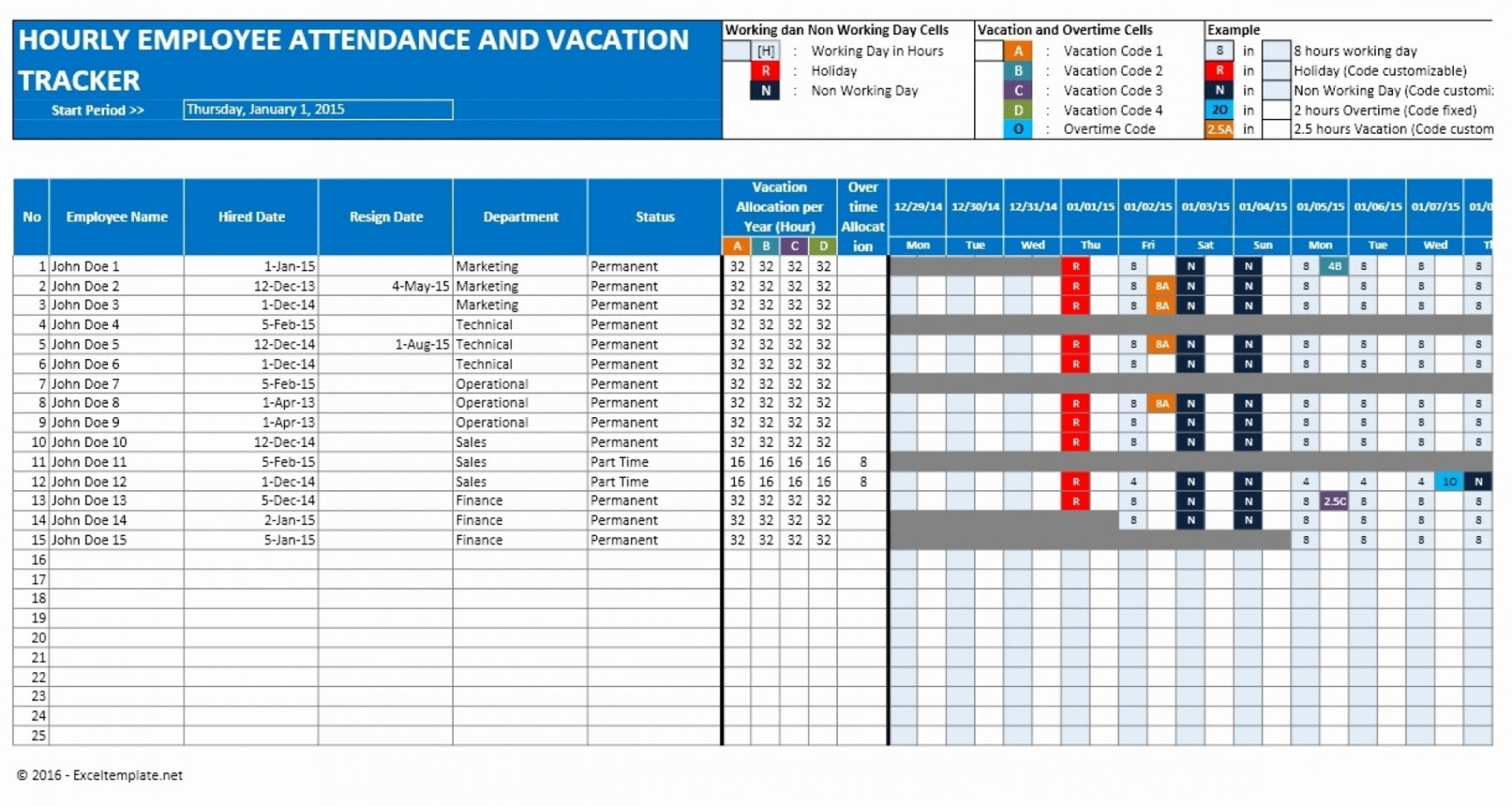
Employee Pto Tracking Spreadsheet —
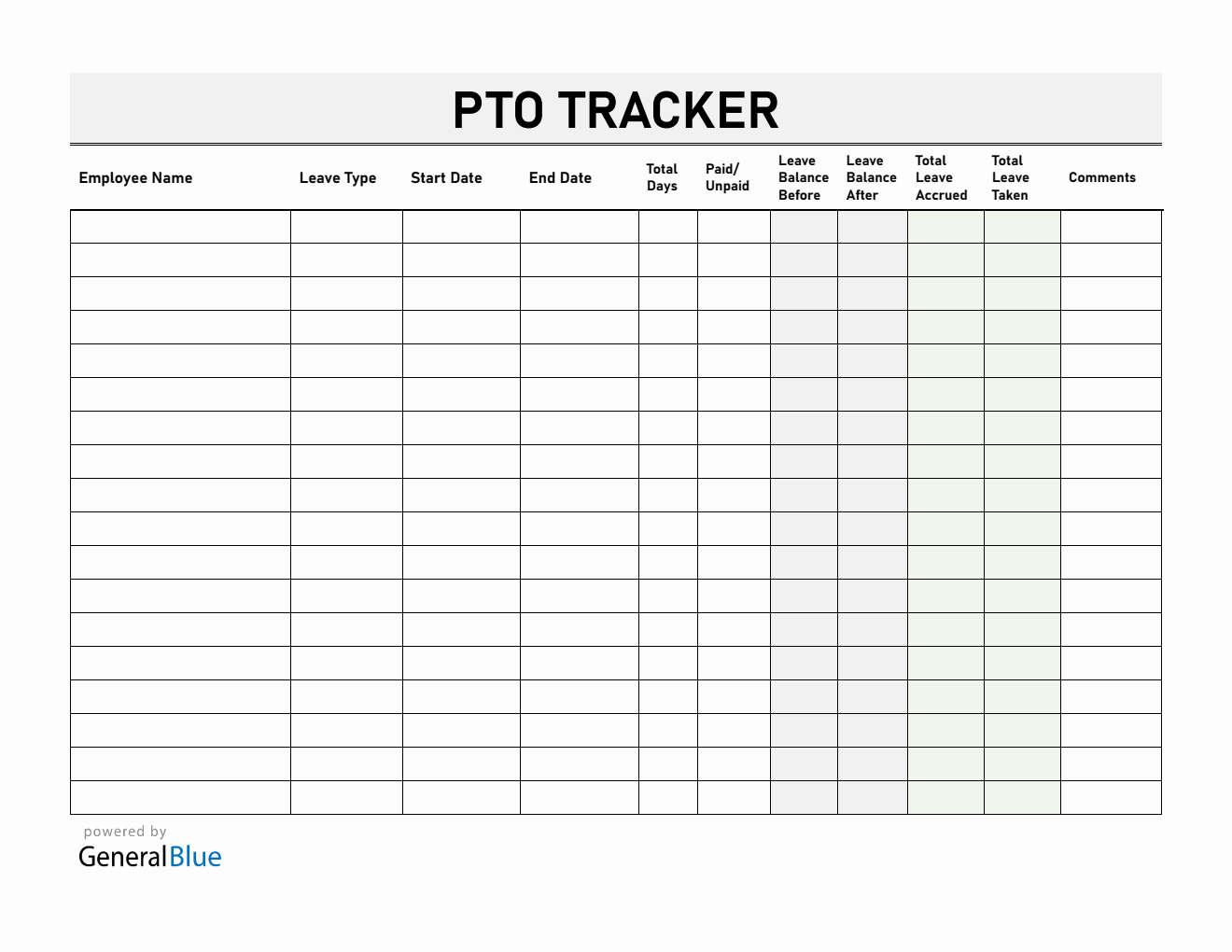
Pto Tracker Templates
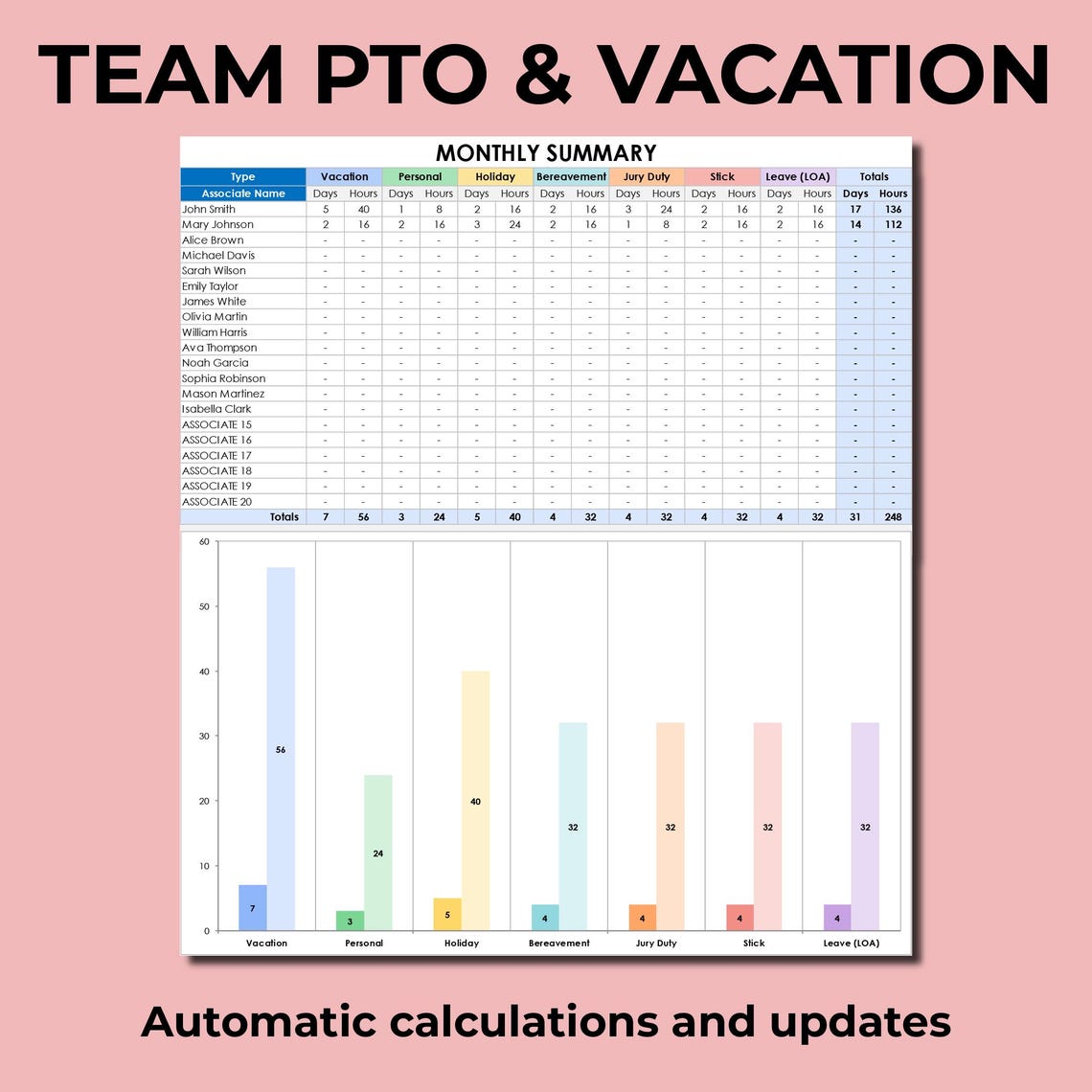
Pto Tracker Excel Google Sheet Spreadsheet Template, Associate Vacation
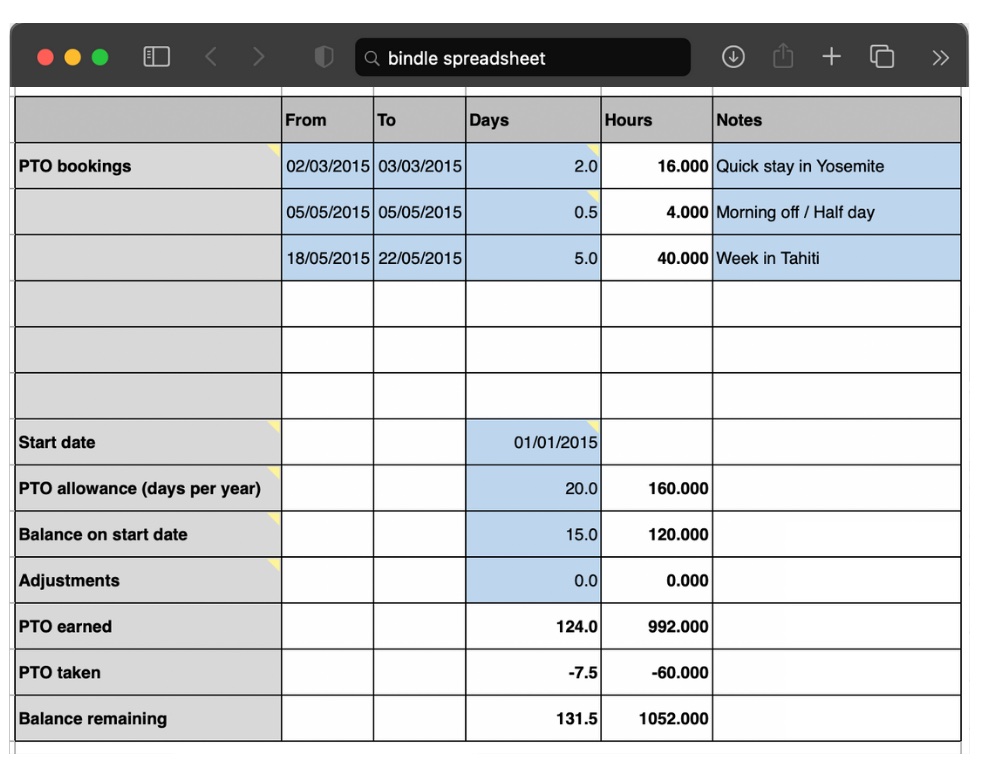
Pto Tracking Excel Template
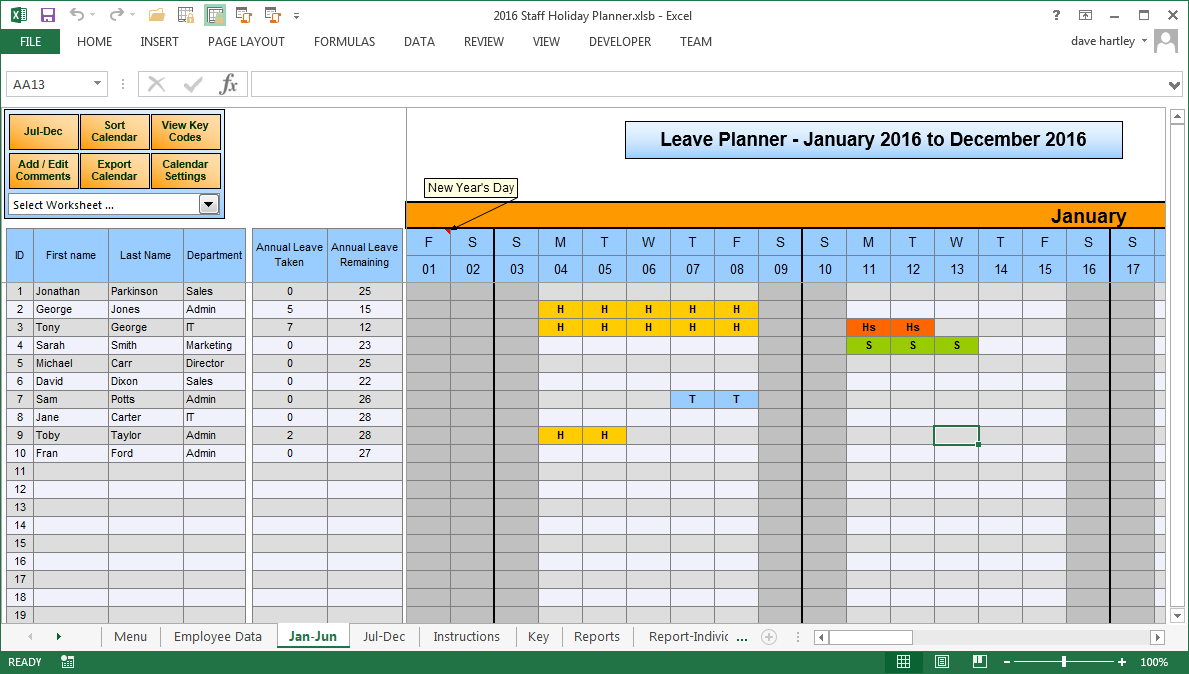
Pto Tracking Spreadsheet throughout Vacation Tracking Spreadsheet
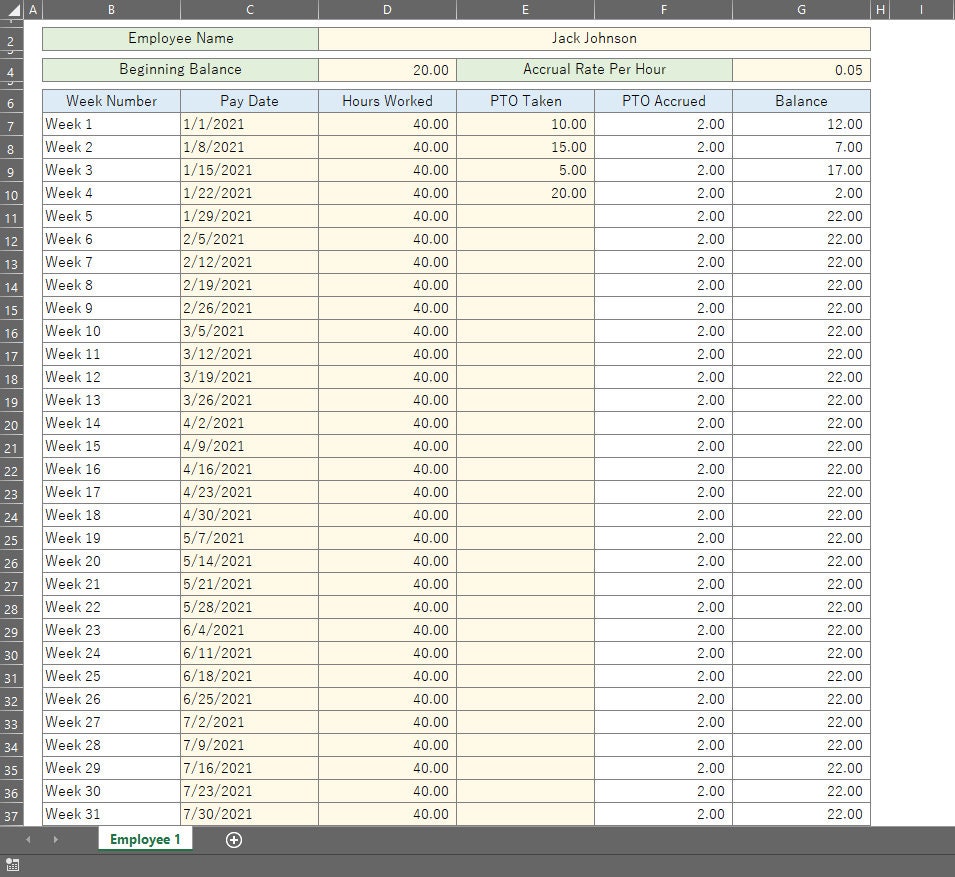
PTO Calculator & Tracker Excel Spreadsheet Printable Etsy

Detailed PTO Tracker Template in Excel

Employee PTO Tracker For Company Excel templates, Looking for
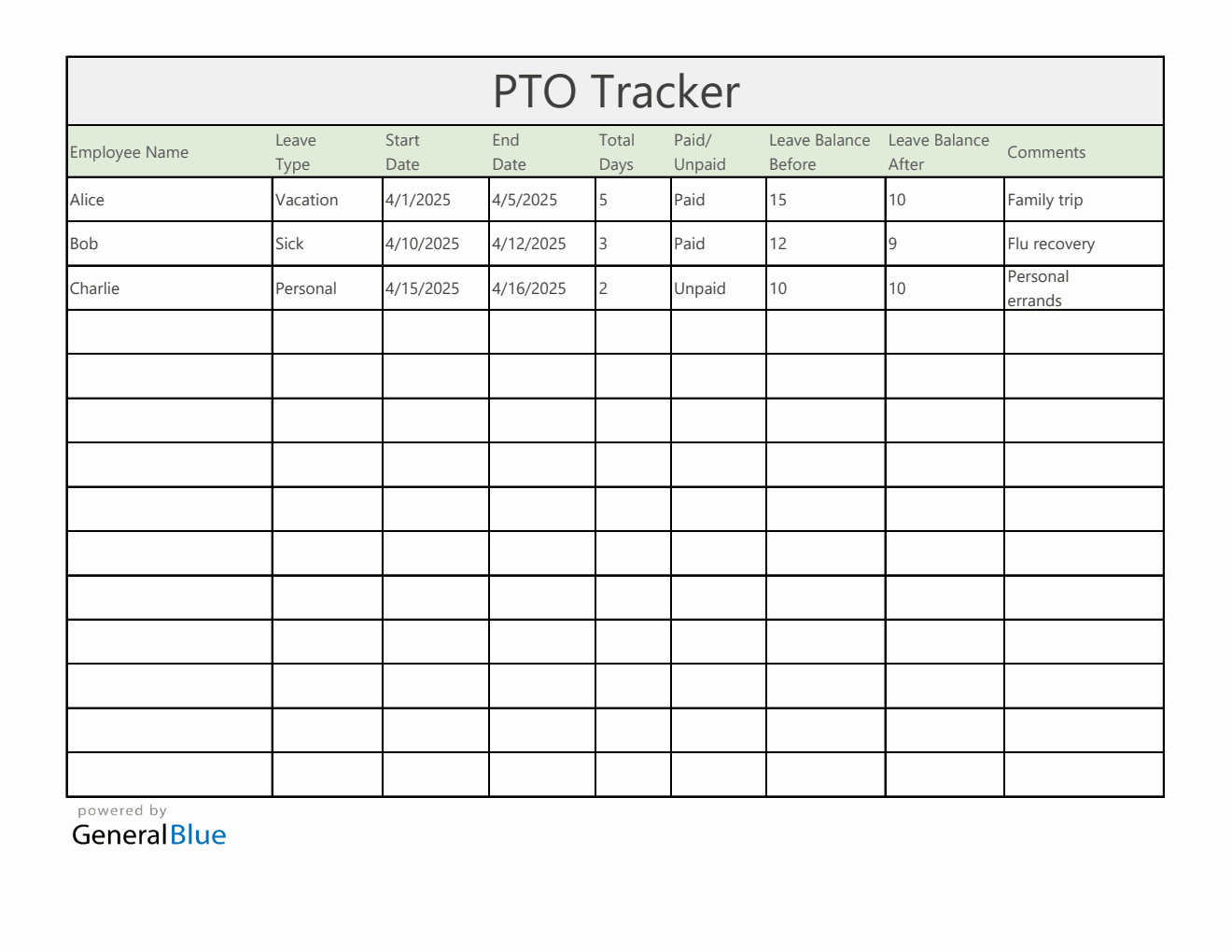
Pto Tracker Templates
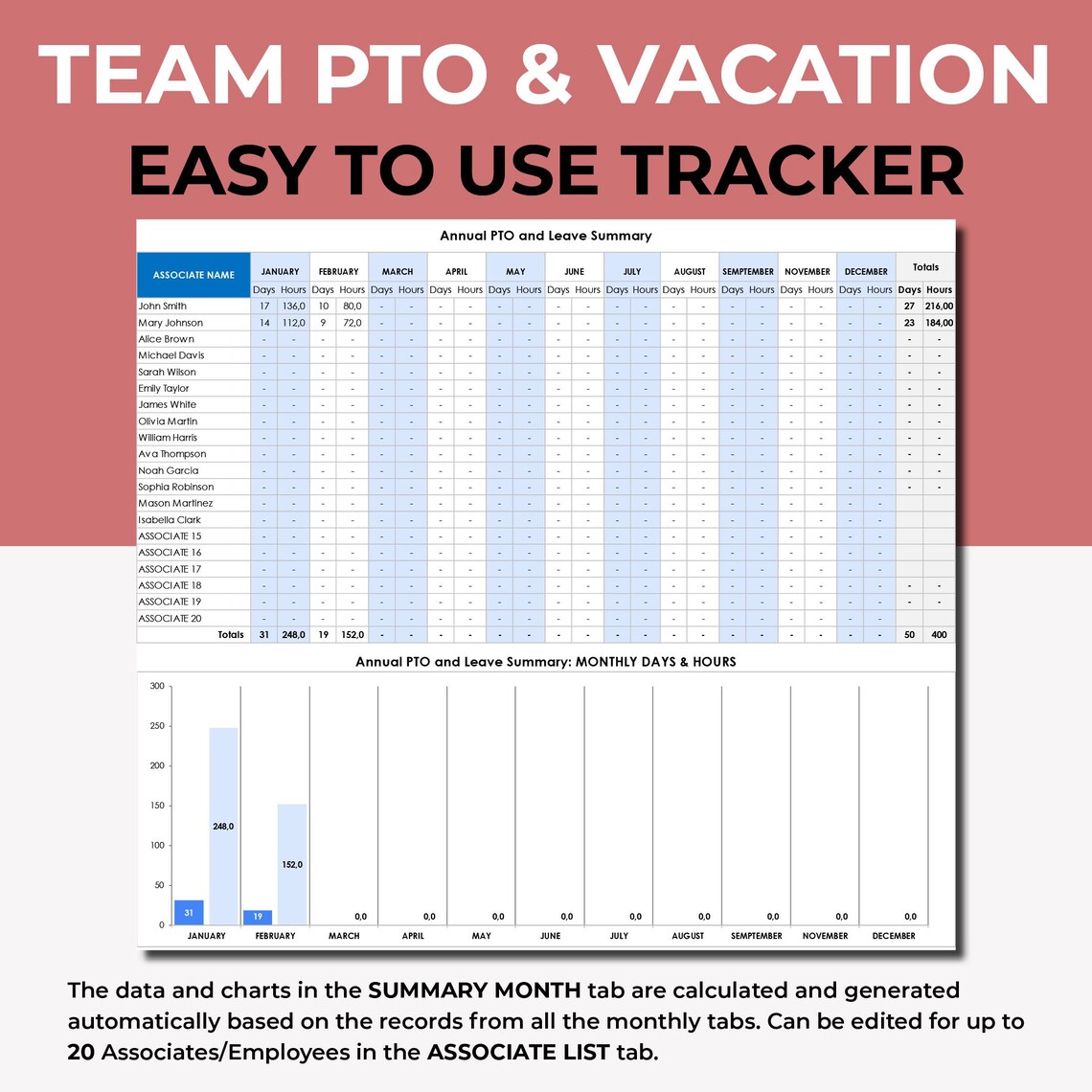
Pto Tracker Excel Google Sheet Spreadsheet Template, Associate Vacation
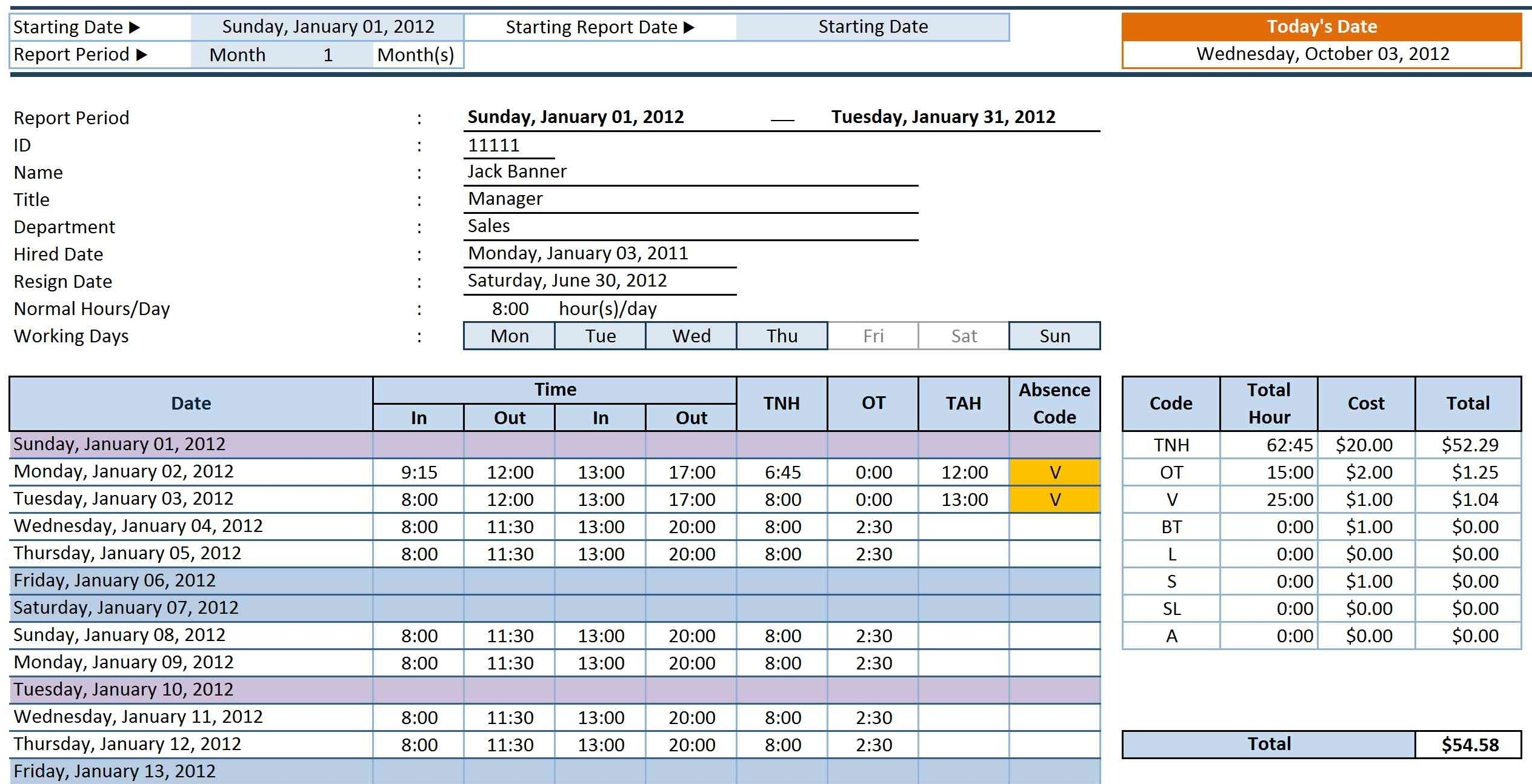
Excel Pto Tracker Template Unique Spreadsheet Examples Free Employee

PTO Tracker Template Free Download in Excel Spreadsheet
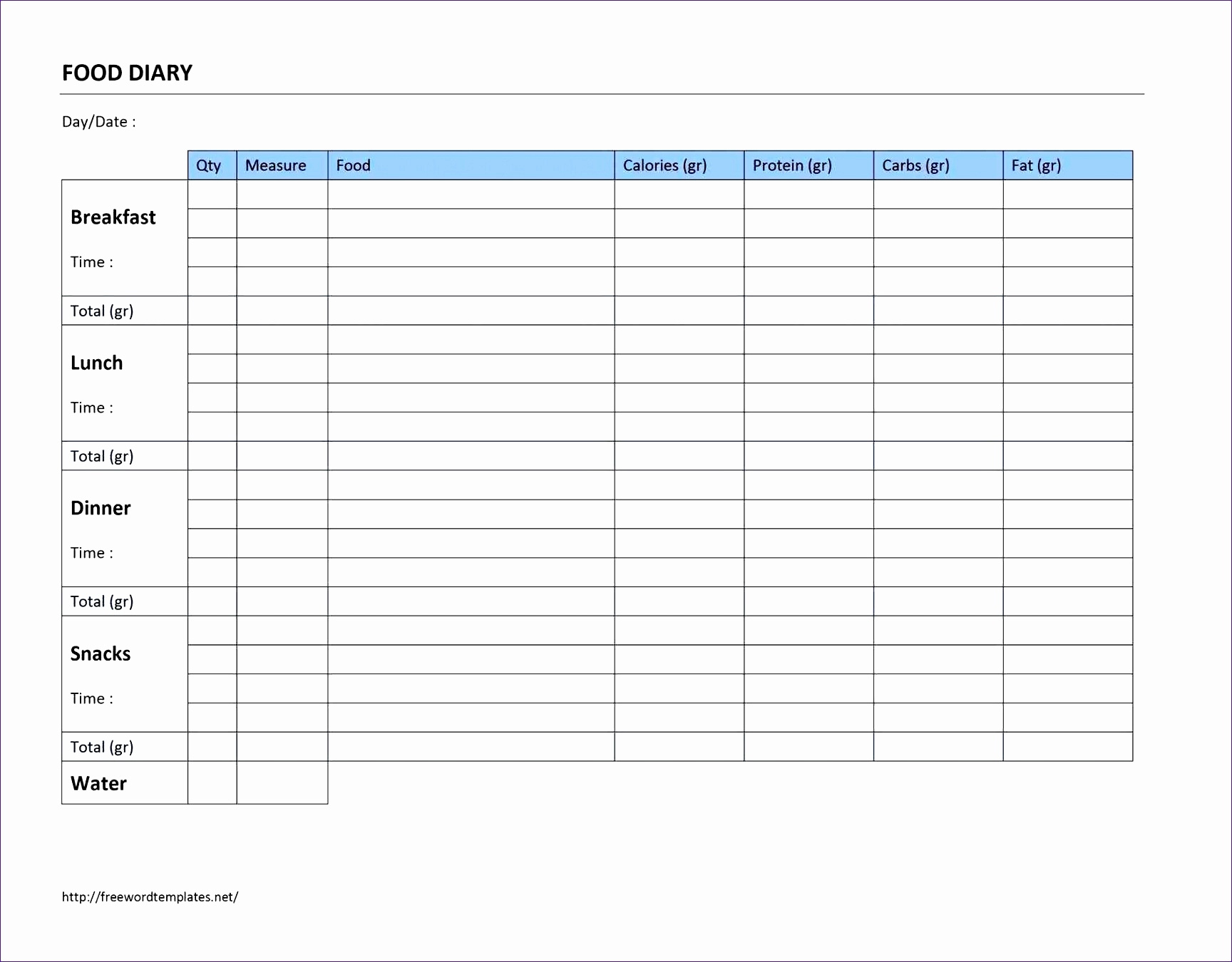
Pto Tracking Spreadsheet Excel Spreadsheet Downloa vacation tracking
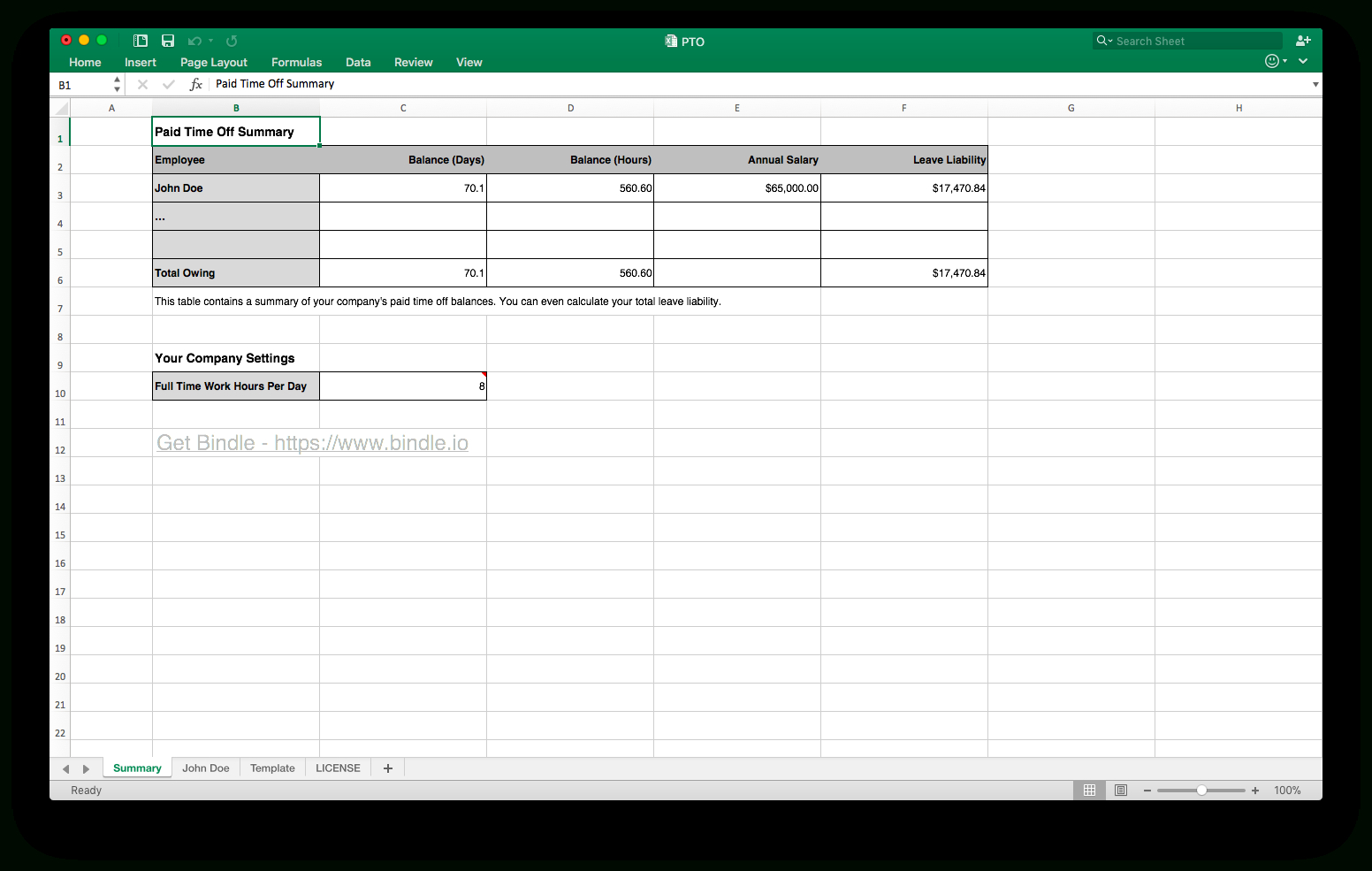
Pto Tracking Spreadsheet Excel for Free Time Off Tracker Bindle — db
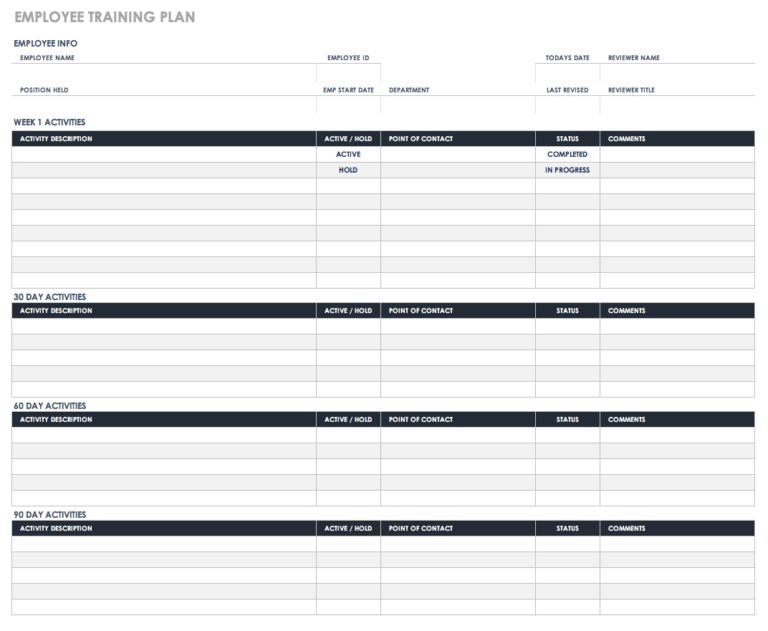
Employee Pto Tracking Excel Spreadsheet in Free Human Resources

Digital PTO Tracker Excel Template Organization & Planning Work
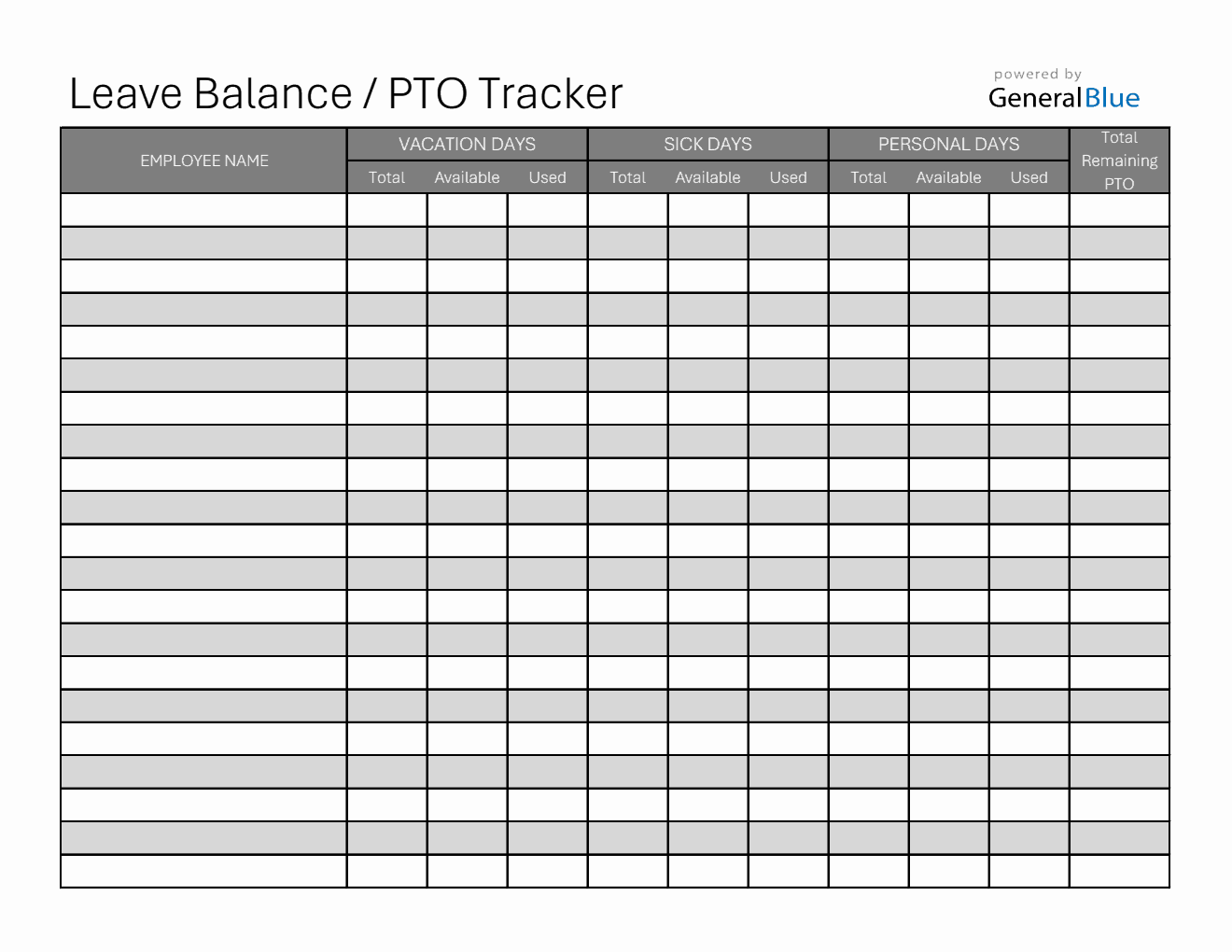
Pto Tracker Templates
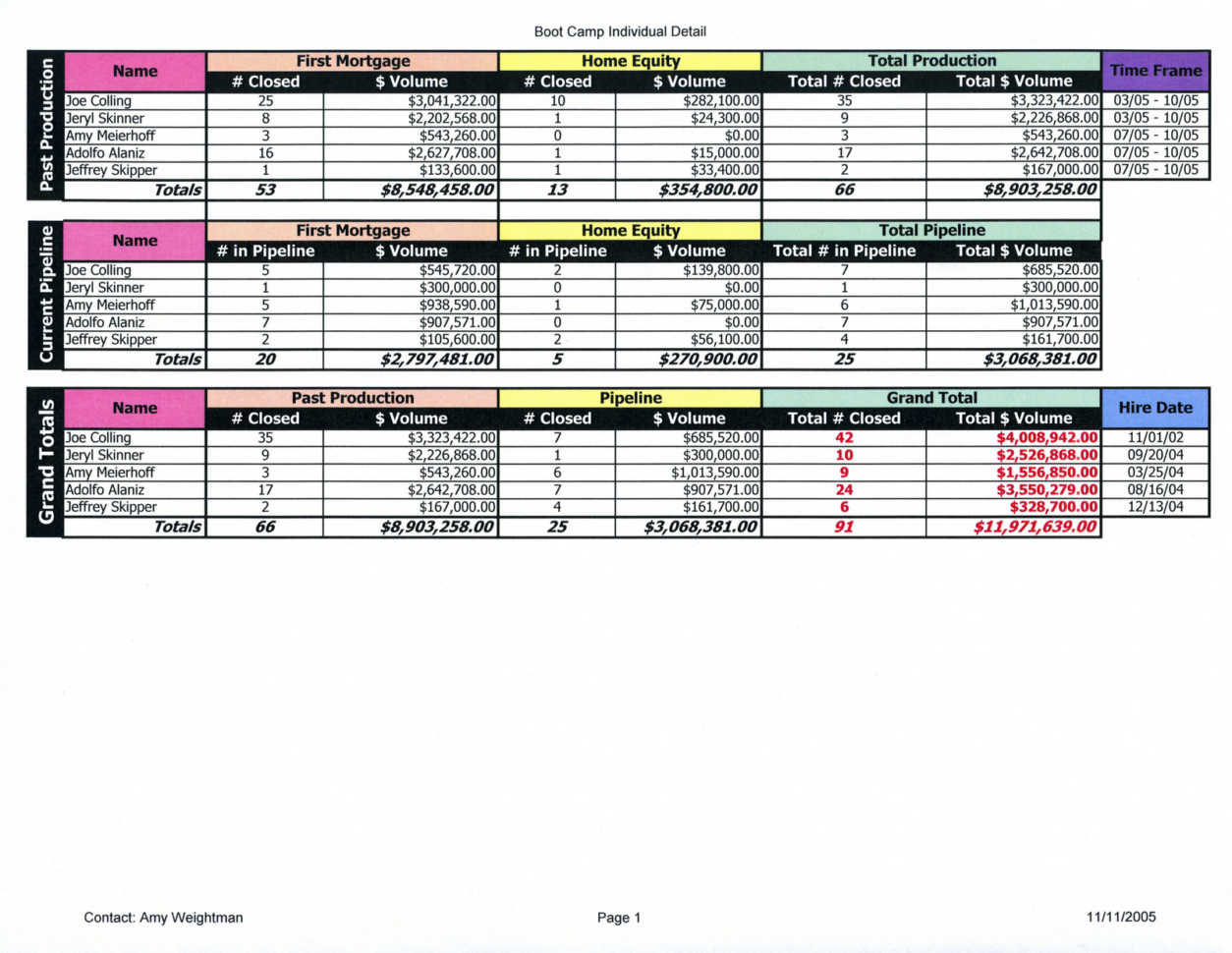
Employee Pto Tracking Excel Spreadsheet with Template Samples Vacation
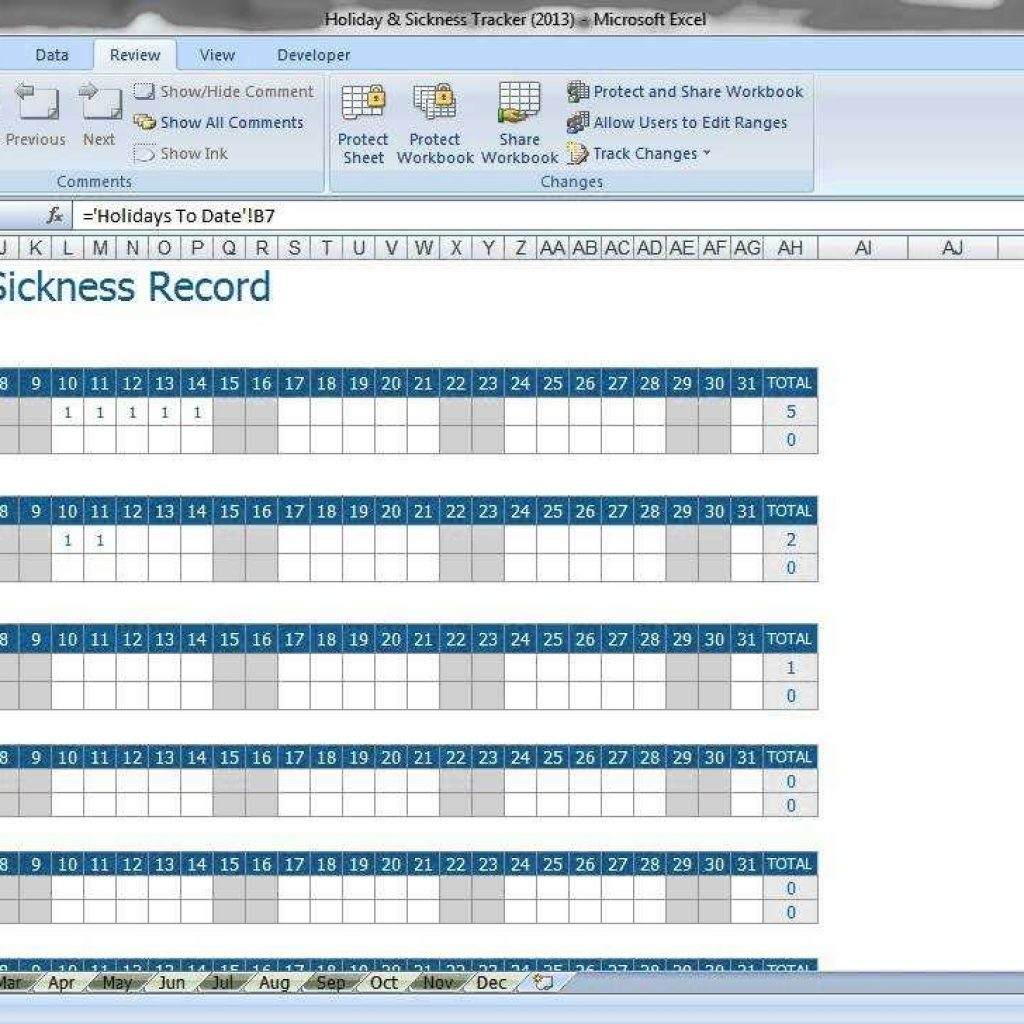
Employee Pto Tracking Spreadsheet in Vacation Tracking Spreadsheet And
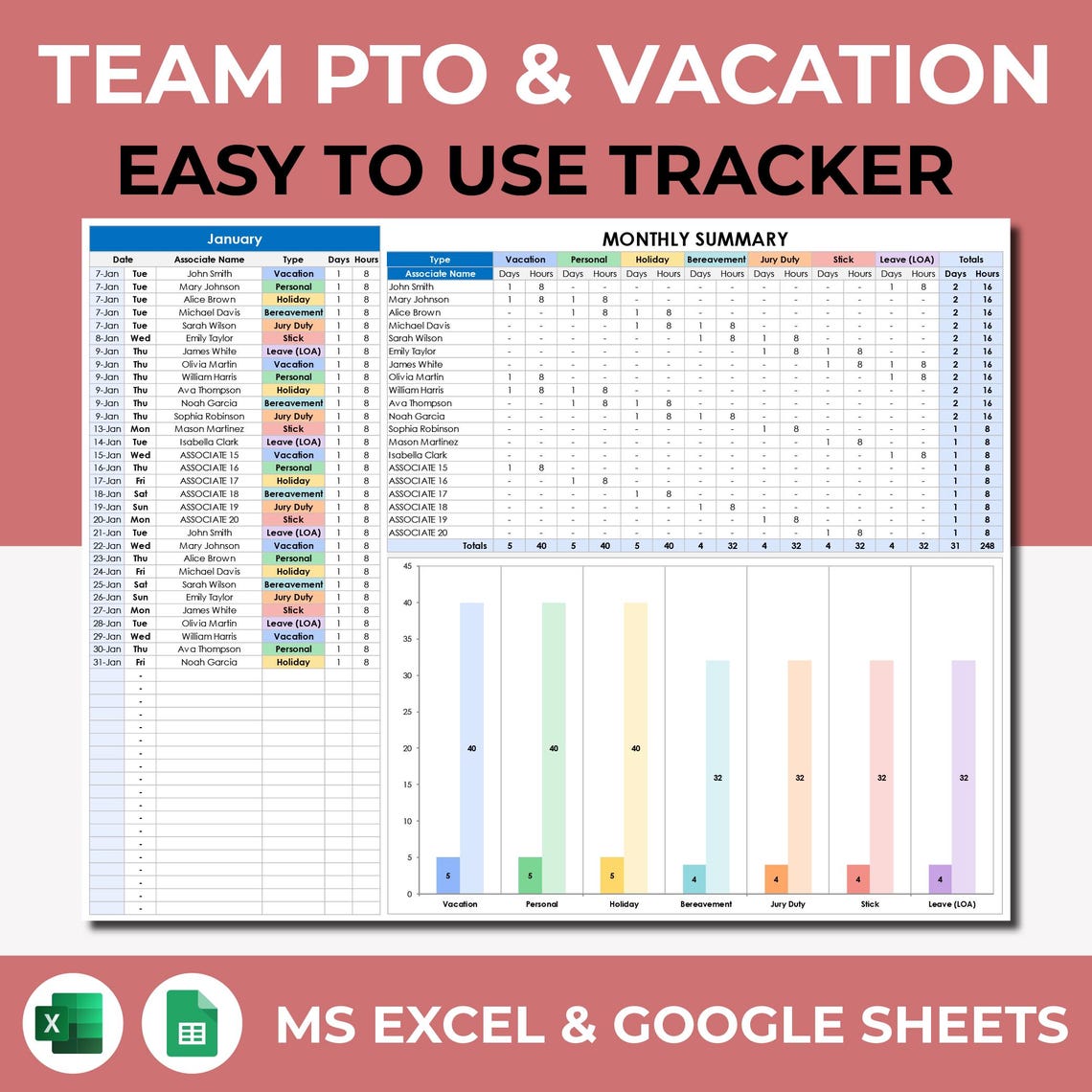
Pto Tracker Excel Google Sheet Spreadsheet Template, Associate Vacation

Pto Excel Template

The Ultimate Guide to Vacation Tracking in Excel
But It Can Also Include Other Types Of Compensated.
Paid Time Off (Pto) Is An Employee Benefit That Combines Vacation Days, Sick Days And Personal Days Into One Policy.
Paid Time Off Can Refer To Any Paid Leave Program, While The Pto Abbreviation Generally Refers To A Type Of Policy Where All Paid Leave Is Bundled Together Into A Predetermined Number Of Days.
Pto Refers To The Total Number Of Paid Days Off Employees Can Take Each Year, Including Vacation, Sick Leave, And Personal Days, Without A Salary.
Related Post: